Books from Afghanistan
Suggest a book
All genres
Historical Fiction
Literary Fiction
Fantasy
Romance
Horror
Thriller
Non-Fiction
Mystery
Memoir
Classics
History
Sci-Fi
Contemporary Fiction
Science Fiction
Fiction
Poetry
Essays
Family Saga
Magical Realism
Family Drama
Dark Academia
Psychological Fiction
Dark Comedy
Political Writing
Feminist Fiction
Satire
Campus Fiction
Cultural Studies
Biography
Philosophy
Comedy
Drama
Young Adult
Gothic
Dystopia
Crime
Children's Books
Short Stories
Mythology
Cozy
Retellings
Humour
Adventure
All themes
Love & Passion
Adventure & Journey
Identity & Belonging
War & Conflict
Freedom & Resistance
Family & Heritage
Nature & Landscape
Society & Class
Spirituality & Faith
Solitude & Exile
Coming of Age
Revolution & Change
Friendship
History
Immigration
Myths and Retellings
Colonialism
Women & Society
Mental Health
Motherhood
1
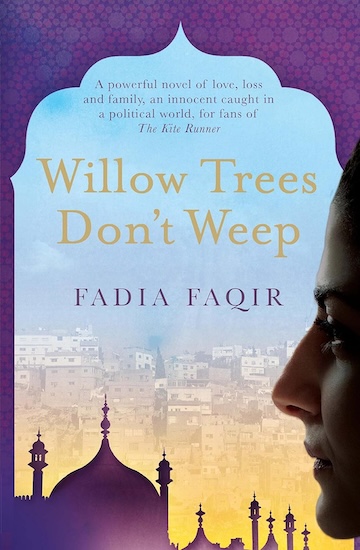
Willow Trees Don't Weep
When Najwa’s mother dies, the young Jordanian woman finds herself facing a future she has never been prepared for. In the conservative society of Amman, an unmarried woman without a male guardian has few options. Her father, Omar, abandoned the family when she was a child to join a radical Islamist movement, leaving Najwa to grow up with unanswered questions about his disappearance and the beliefs that drove him away.
Determined to find him, Najwa sets out on a dangerous journey from Jordan to Afghanistan, following the trail of a man she barely remembers. But the father she imagines is not the man she discovers. Her search eventually takes her to Britain, where she must confront painful truths about her family, her father’s ideology, and her own place in the world. As she crosses borders and encounters unfamiliar cultures, Najwa begins to understand that finding her father may be less important than discovering who she wants to become.
Moving between the Middle East, Afghanistan, and Britain, Willow Trees Don’t Weep explores the consequences of political extremism through the intimate story of a daughter left behind. Fadia Faqir examines patriarchal expectations, religious identity, and the struggle for female independence in a world where women are often forced to live with the consequences of men’s decisions.
2014
2
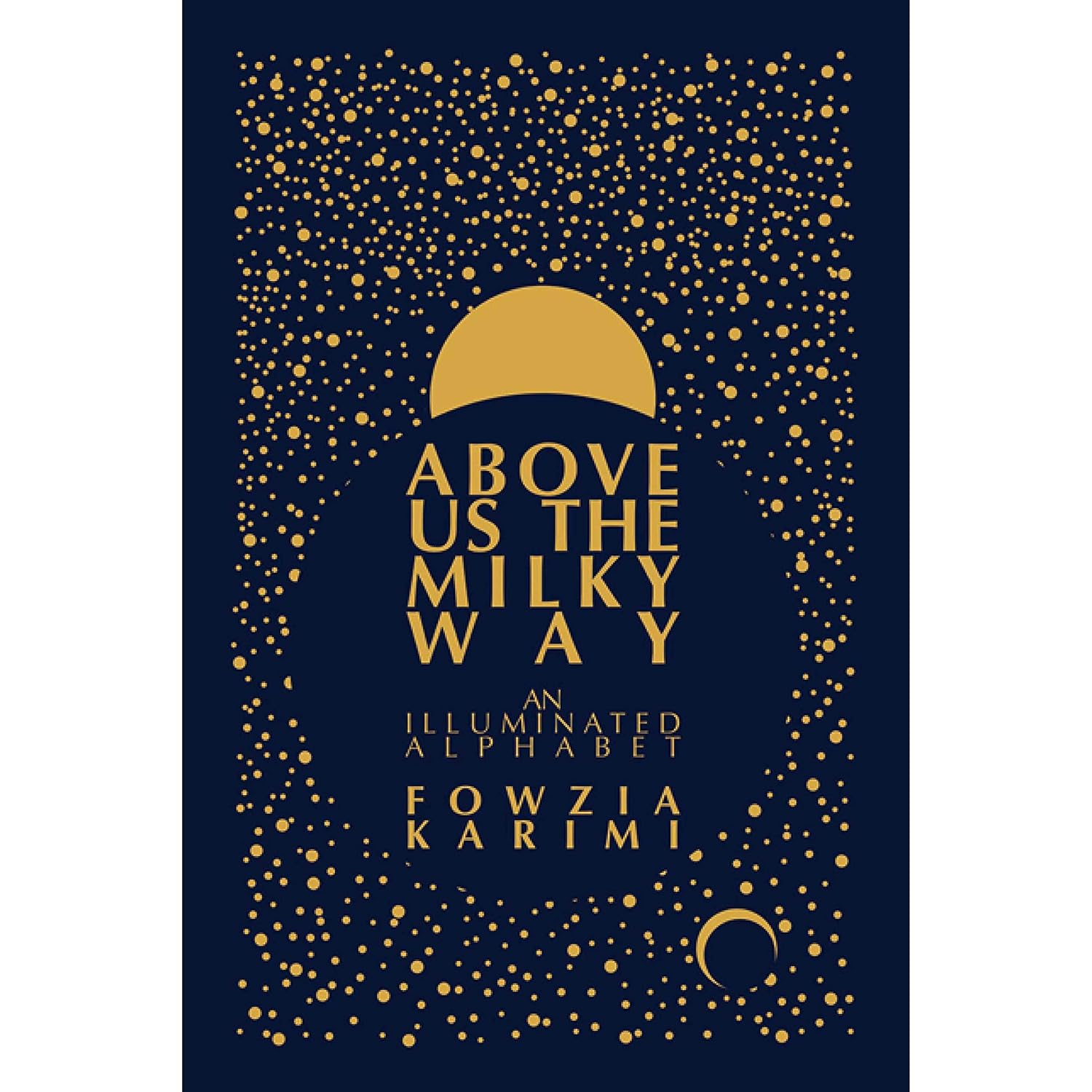
Above Us the Milky Way
Above Us the Milky Way is a story about war, immigration, and the remarkable human capacity to create beauty out of horror. As a young family attempts to reconstruct their lives in a new and peaceful country, they are daily drawn back to the first land through remembrance and longing, by news of the continued suffering and loss of loved ones, and by the war dead, who have immigrated and reside with them, haunting their days and illuminating the small joys and wonders offered them by the new land.
The novel's structure is built around the alphabet, twenty-six pieces written in the first person that sketch a through-line of memory for the lives of the five daughters, mother, and father. Ghost stories and fairytales are woven with old family photographs and medieval-style watercolor illuminations to create an origin story of loss and remembrance.
2020