Books from Afghanistan
Suggest a book
All genres
Historical Fiction
Literary Fiction
Fantasy
Romance
Horror
Thriller
Non-Fiction
Mystery
Memoir
Classics
History
Sci-Fi
Contemporary Fiction
Science Fiction
Fiction
Poetry
Essays
Family Saga
Magical Realism
Family Drama
Dark Academia
Psychological Fiction
Dark Comedy
Political Writing
Feminist Fiction
Satire
Campus Fiction
Cultural Studies
Biography
Philosophy
Comedy
Drama
Young Adult
Gothic
Dystopia
Crime
Children's Books
Short Stories
Mythology
Cozy
Retellings
Humour
Adventure
All themes
Love & Passion
Adventure & Journey
Identity & Belonging
War & Conflict
Freedom & Resistance
Family & Heritage
Nature & Landscape
Society & Class
Spirituality & Faith
Solitude & Exile
Coming of Age
Revolution & Change
Friendship
History
Immigration
Myths and Retellings
Colonialism
Women & Society
Mental Health
Motherhood
1
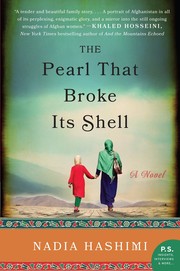
The Pearl That Broke It's Shell
Set in Afghanistan, The Pearl That Broke Its Shell follows two women separated by a century but connected by their struggles against restrictive social expectations. In contemporary Kabul, Rahima grows up in a family without sons. Her parents allow her to become a bacha posh—a girl temporarily dressed and treated as a boy—giving her freedoms that would otherwise be denied to her. A century earlier, her ancestor Shekiba faces similar restrictions and hardship, eventually finding an opportunity to survive by living as a man. As their stories unfold in parallel, both women navigate a society shaped by patriarchal traditions, political instability, and gender inequality. Hashimi explores the resilience of women who challenge the boundaries imposed upon them, revealing how the desire for education, independence, and dignity can become an act of resistance.
2014
2
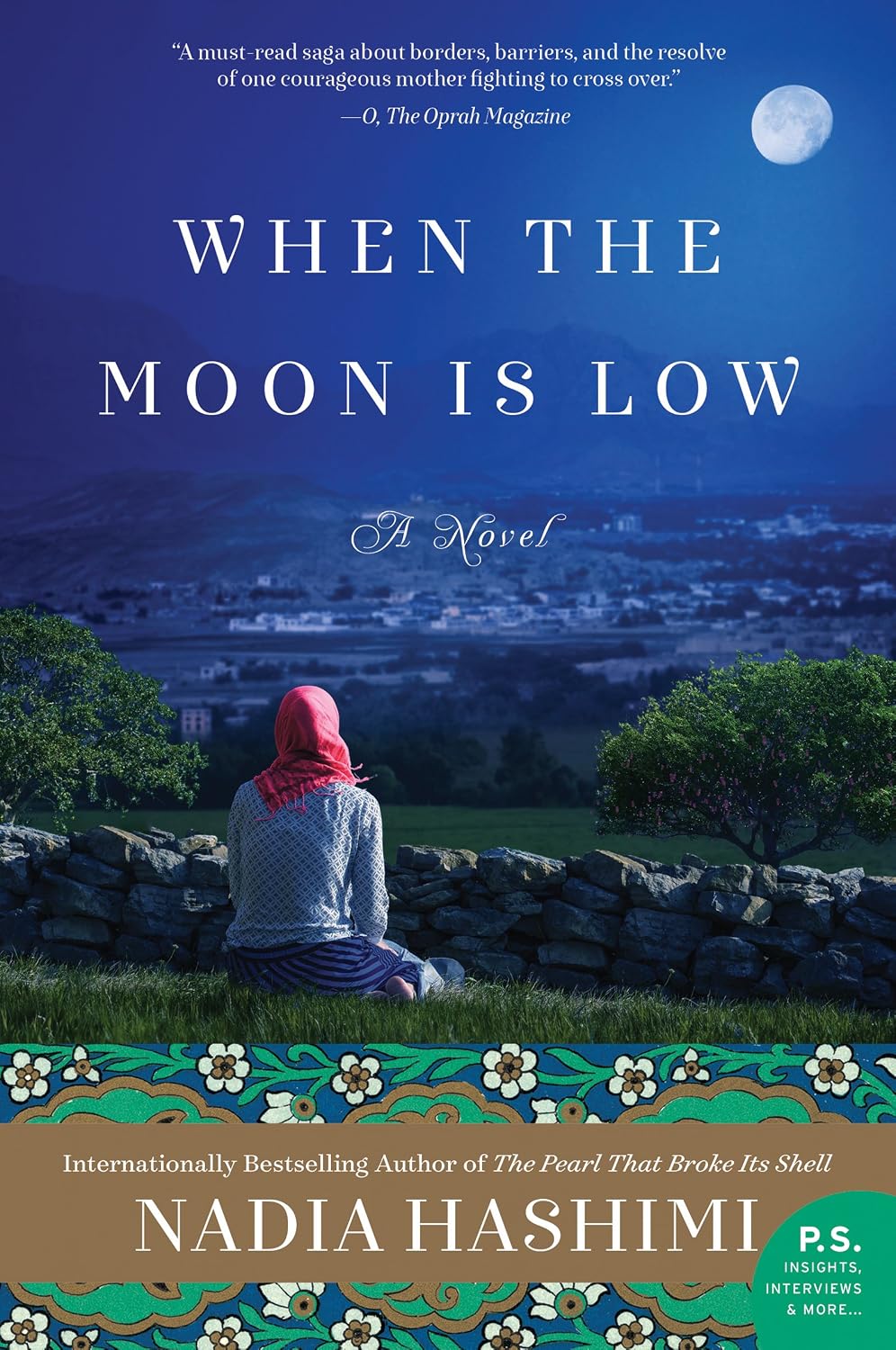
When the Moon Is Low
When the Moon Is Low follows Fereiba, an educated Afghan woman whose relatively secure life is shattered when her husband becomes a victim of political violence. Left to care for her three children, she decides to flee Afghanistan as the country’s instability and insecurity intensify. Their journey towards Europe exposes them to dangerous border crossings, exploitation, separation, and the uncertainty faced by refugees seeking safety. When circumstances force Fereiba and her teenage son, Saleem, onto different paths, both must find the strength to survive in unfamiliar environments. Moving between their experiences, Hashimi portrays the human cost of displacement and the difficult choices families make when their homes are no longer safe. The novel explores motherhood, resilience, and the search for freedom, highlighting the courage required to rebuild a life when everything familiar has been lost.
2016
3
A House Without Windows: A Novel
A House Without Windows follows Zeba, an Afghan woman accused of murdering her husband, Kamal. Arrested and imprisoned while awaiting trial, she finds herself in a women’s detention centre in Kabul, where she encounters other women whose lives have been shaped by violence, coercion, and restrictive social expectations. Zeba’s children struggle to understand their mother’s arrest, while Yusuf, an Afghan-born lawyer raised in the United States, returns to Afghanistan and becomes involved in her defence. As the investigation unfolds, the novel reveals the complicated circumstances surrounding the death and the challenges of establishing justice in a society where women’s voices are often dismissed. Through Zeba’s story and those of her fellow prisoners, Hashimi examines domestic abuse, gender inequality, and the courage required to seek justice in a system that frequently fails vulnerable women.
2016