Latin American Masterpieces
The finest novels from the Latin American literary boom — magical realism, political allegory, and extraordinary storytelling.
9 books
1
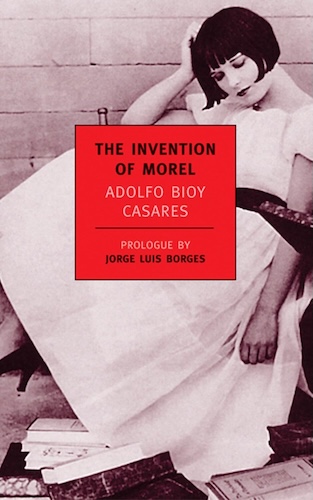
The Invention of Morel
The Invention of Morel follows a fugitive who seeks refuge on a seemingly deserted island, where he discovers a group of people behaving as though he does not exist. Among them is Faustine, a woman whose presence fascinates him, though she remains unaware of him. As he investigates the mysterious inhabitants, he uncovers a strange invention that challenges the boundaries between reality, memory, and illusion. Blending philosophical speculation with elements of science fiction and mystery, Adolfo Bioy Casares explores the human desire to overcome mortality and preserve love beyond the limits of physical existence. The novel raises unsettling questions about consciousness, the nature of reality, and the price of eternal life.
2003
Argentina
2
Água Viva
Água Viva is an experimental novel narrated by an unnamed woman, an artist who attempts to capture the fleeting experience of being alive through a continuous flow of thoughts, sensations, and reflections. Addressing an unnamed listener, she moves between memories, observations of nature, artistic inspiration, and philosophical questions, seeking to express what she calls the present moment—the elusive instant in which life is experienced before it becomes memory.
Rather than following a conventional plot, Clarice Lispector creates an intensely intimate meditation on consciousness, language, time, and existence. The narrator struggles with the limitations of words, searching for a form of expression that can convey the raw immediacy of experience. Images of flowers, animals, music, and water recur throughout the text, connecting the physical world with questions about the mysterious nature of being. Both poetic and challenging, Água Viva invites readers to experience life as something fluid, unpredictable, and impossible to fully explain.
1973
Brazil
3
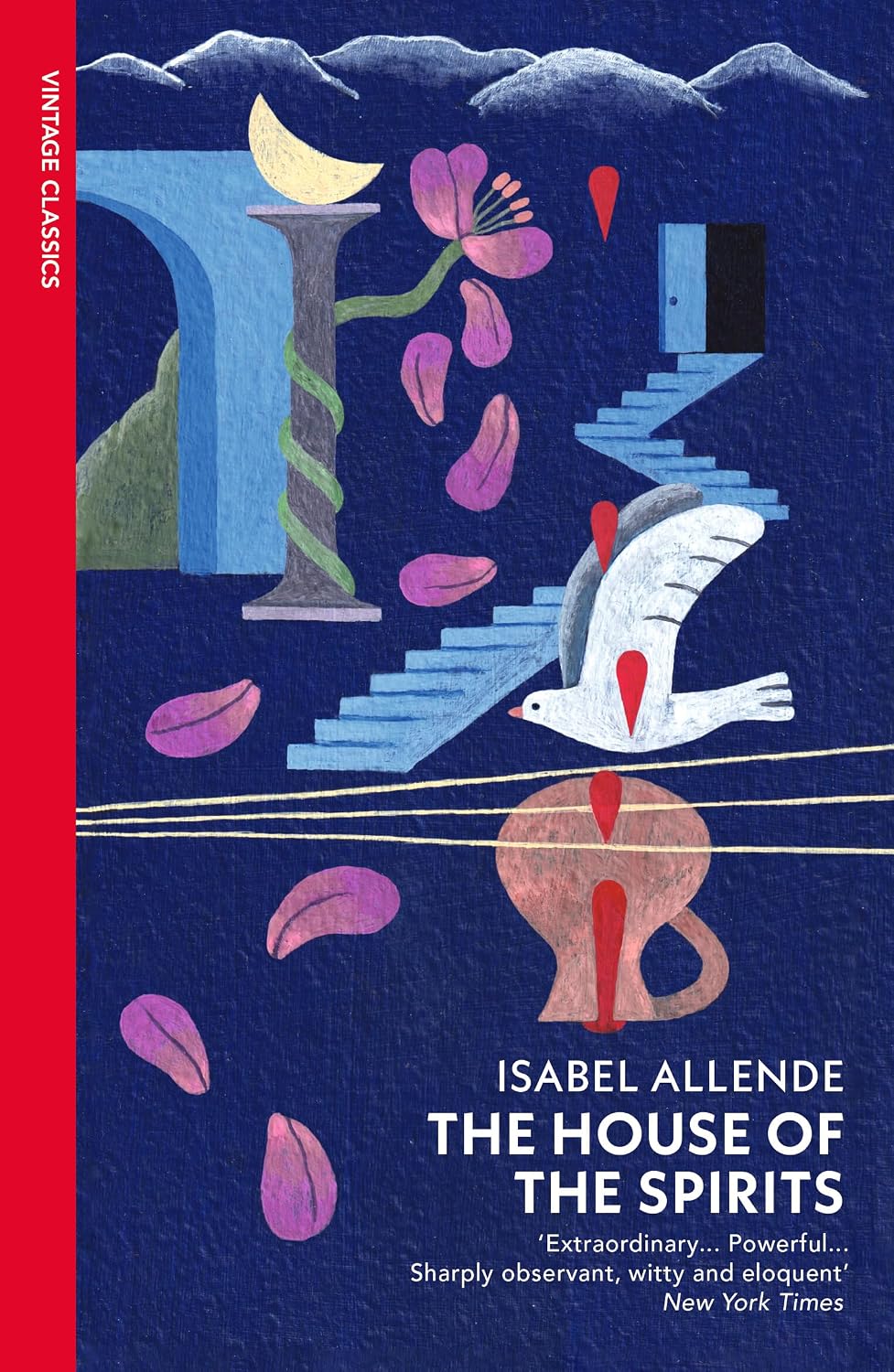
The House of the Spirits
The House of the Spirits chronicles several generations of the Trueba family in an unnamed Latin American country closely resembling Chile. At its centre are Clara, a woman with supernatural abilities, and Esteban Trueba, a powerful landowner whose ambition and authoritarian beliefs shape the lives of those around him. As the family experiences love, betrayal, political upheaval, and personal tragedy, their private struggles become intertwined with the country’s transformation. Allende blends magical realism with historical and political fiction, allowing spirits and supernatural events to coexist with the realities of class divisions and dictatorship. The novel explores how family secrets and inherited patterns of violence can persist across generations, while also suggesting the possibility of reconciliation and renewal.
2005
Chile
4
One Hundred Years of Solitude
One Hundred Years of Solitude tells the story of the Buendía family across seven generations in the fictional town of Macondo, founded by José Arcadio Buendía and his wife, Úrsula. As the town grows from an isolated settlement into a place transformed by political conflict and modernisation, the family experiences extraordinary passions, recurring tragedies, and mysterious events. Magic and everyday life coexist, while characters repeatedly struggle with loneliness, desire, ambition, and the burden of their ancestors’ mistakes. Through the Buendías, García Márquez explores the cyclical nature of history and the difficulty of escaping inherited patterns. The novel combines family saga, political allegory, and magical realism to portray the rise and decline of an entire community.
1967
Colombia
5
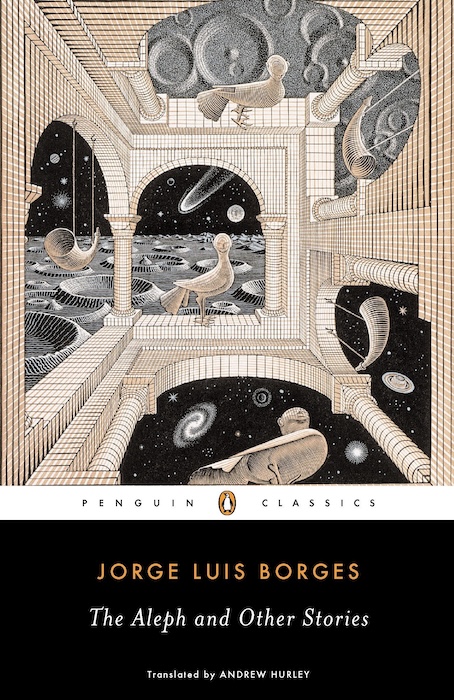
The Aleph
The Aleph is a collection of short stories that explores infinity, memory, identity, and the limits of human understanding. In the title story, a narrator discovers a point in space containing every other point in the universe, allowing him to perceive all things simultaneously without distortion or concealment. Other stories examine imaginary worlds, mysterious objects, labyrinthine histories, and the unsettling possibility that reality may be far stranger than it appears. Borges combines philosophical speculation with elements of fantasy, detective fiction, and literary scholarship, creating narratives that often feel like intellectual puzzles. His characters encounter knowledge that promises to reveal everything but frequently leaves them more uncertain than before. The collection asks whether human beings can ever comprehend the totality of existence or whether some mysteries must remain beyond the boundaries of language and reason.
1949
Argentina
6
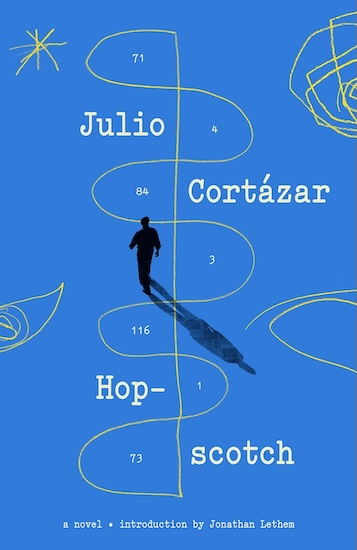
Hopscotch
Hopscotch follows Horacio Oliveira, an Argentine intellectual living in Paris who struggles to find meaning in relationships, art, and everyday existence. His complicated relationship with La Maga, a young Uruguayan woman, forms the emotional centre of a novel that resists conventional storytelling. Cortázar offers readers different ways to navigate the chapters, allowing the narrative to unfold in alternative sequences and challenging the traditional relationship between author and audience. As Oliveira returns to Argentina, his search for understanding becomes increasingly entangled with alienation and uncertainty. The novel explores the limitations of rational thought, the instability of identity, and the desire to discover a deeper reality beneath ordinary experience. Its experimental structure reflects a central question: whether a different way of reading might lead to a different way of living.
1963
Argentina
7
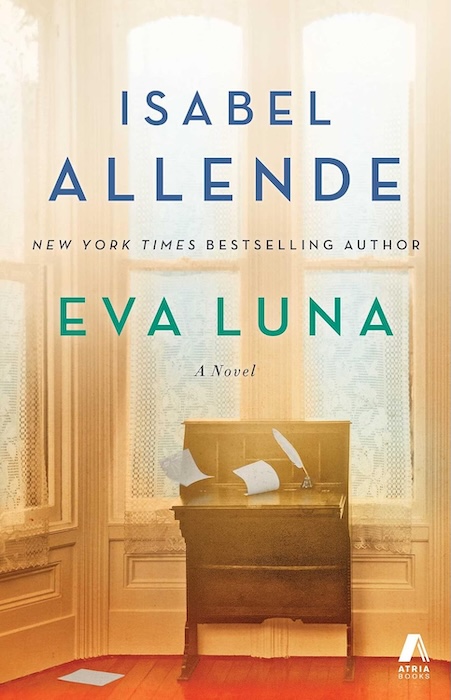
Eva Luna
Eva Luna follows the life of Eva, an imaginative young woman who discovers early on that storytelling can become both a refuge and a means of survival. Orphaned as a child, she grows up among people from different social backgrounds in an unnamed Latin American country marked by political unrest and inequality. Through her relationships, adventures, and encounters with revolutionaries, artists, and ordinary people, Eva gradually shapes her own destiny. Her ability to invent stories becomes a source of power, allowing her to reinterpret painful experiences and challenge the limitations imposed on her. Blending magical realism, romance, and political history, Allende explores the relationship between imagination and freedom. Eva’s journey celebrates resilience, female independence, and the transformative power of storytelling.
1987
Chile
8
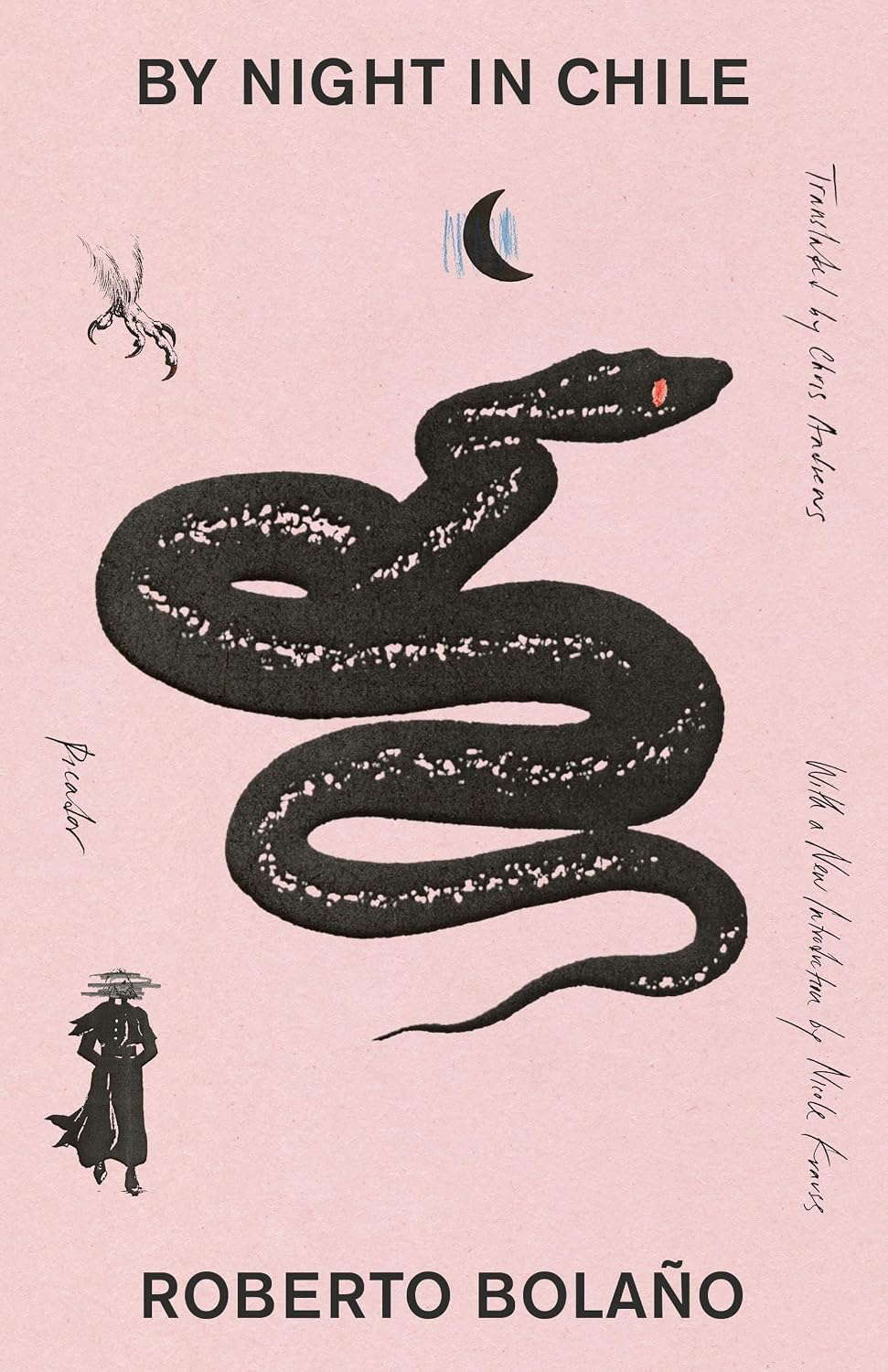
By Night in Chile
By Night in Chile is narrated by Father Sebastián Urrutia Lacroix, a Chilean priest, literary critic, and member of the country’s intellectual establishment. As he lies dying, he reflects on his life, defending his decisions and attempting to reconcile his cultural ambitions with the political realities of Chile under Augusto Pinochet’s dictatorship. His memories reveal disturbing connections between literary circles, religious institutions, and the machinery of political repression. Bolaño uses a single, breathless monologue to expose the compromises and silences of people who preserve their social standing while injustice unfolds around them. Blurring the boundaries between confession, satire, and historical testimony, the novella examines complicity, moral cowardice, and the responsibility of intellectuals when faced with authoritarian power.
2000
Chile
9
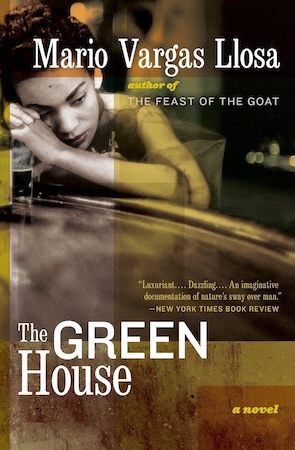
The Green House
In the dusty coastal town of Piura, Peru, a mysterious stranger named Don Anselmo builds a brothel that becomes the centre of a community’s desires, scandals, and conflicts. Known as the Green House, the establishment brings together people from different worlds, setting off a chain of events that will shape their lives for decades. Meanwhile, deep in the Peruvian Amazon, indigenous communities face the encroachment of missionaries, soldiers, and commercial interests that threaten their traditions and way of life.
Among the novel’s central figures is Bonifacia, an indigenous girl taken from her home and raised by nuns, whose attempts to find a place in the outside world lead to devastating consequences. Her story intersects with those of soldiers, smugglers, outcasts, and townspeople, creating a complex portrait of a society divided by class, race, and power.
Moving between the desert coast and the Amazon rainforest, and unfolding across several decades, Vargas Llosa weaves together multiple timelines and overlapping narratives. The result is a challenging, richly layered novel about desire, exploitation, moral ambiguity, and the collision of cultures. Beneath its intricate structure lies a powerful examination of how institutions and social hierarchies shape individual destinies—and how the boundaries between civilisation and brutality are often far less clear than they appear.
1966
Peru
About this collection
- Books
- 9
- Countries
- Argentina, Brazil, Chile, Colombia, Peru