The family saga has found new life in the twenty-first century. Writers from Kampala to Hanoi to Sydney have taken a form once tied to Victorian drawing rooms and used it to tell the stories that official history left out. These ten books, all published since 2006 and set across six continents, show what the genre looks like now.
Beginning in a fishing village near Busan in the early twentieth century, Lee follows Sunja, a young woman whose unplanned pregnancy sets her family on a path to Japan. Over four generations, her descendants face discrimination as Koreans in Japan, and the novel asks what belonging means when a country refuses to claim you. It was a National Book Award finalist, became an international bestseller and was adapted for Apple TV+ in 2022.
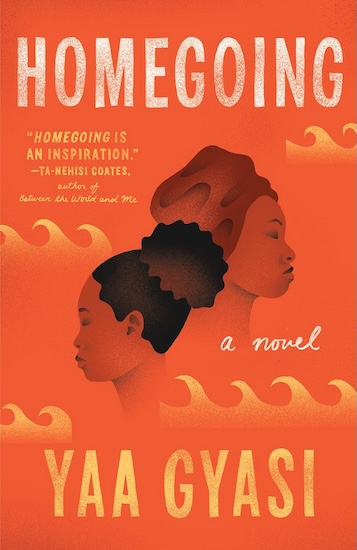
Two half-sisters are born in eighteenth-century Ghana without knowing the other exists. One marries a British colonial official; the other is sold into slavery. Gyasi follows their descendants, one chapter per person, down two branches of the family through the slave trade, the American South, Harlem and the present day. It was her debut, and its compact structure makes the long reach of history feel personal.
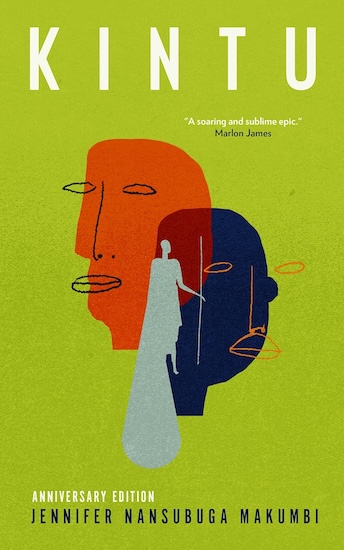
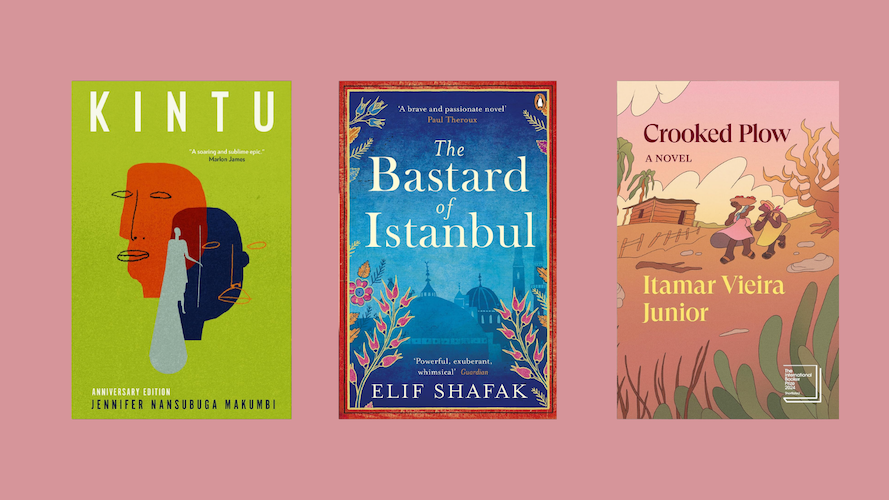
In 1750, Kintu Kiwanuka, a governor in the kingdom of Buganda, commits a terrible act in a moment of rage, and a curse falls on his family. Makumbi follows his descendants across more than 250 years of Ugandan history, up to the early 2000s. Rich in Luganda culture and humour, it is a saga about how a nation inherits its past, and it deserves to be far better known.
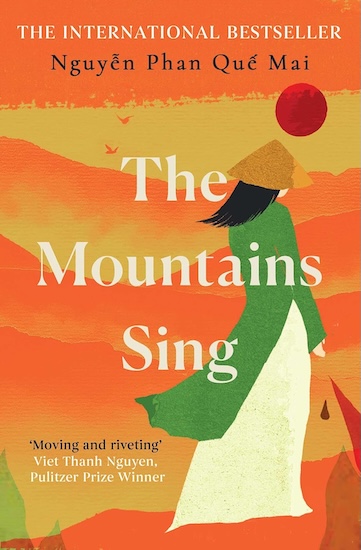
Told in alternating voices, this novel pairs Trần Diệu Lan, a grandmother who survives the famine and the land reform of the twentieth century, with her granddaughter Hương, growing up in Hanoi during the Vietnam War. Nguyễn wrote it in English, and it gives readers the war from the Vietnamese side of the family table, through four generations of loss and stubborn hope.
When the Spanish Civil War ends, Roser Bruguera and Víctor Dalmau flee to France and then board the Winnipeg, the ship organized by Pablo Neruda to carry Spanish refugees to Chile in 1939. Allende follows the couple and their adopted family through exile, a new homeland and the coup of 1973. It is a story of how families are made as much as born.
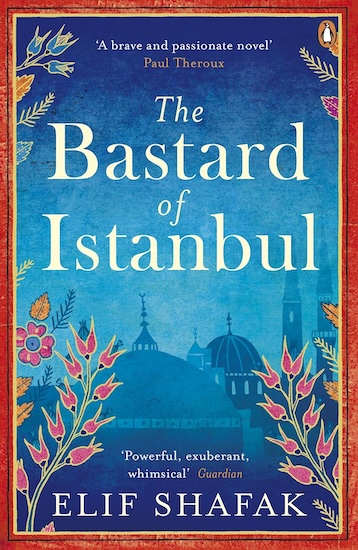
The Kazancı family of Istanbul is full of women: aunts, a grandmother, and Asya, the teenage daughter nobody discusses. When Armanoush, a young Armenian American, comes to the city looking for her roots, the two families discover a shared secret tied to the events of 1915. The book led to a prosecution of Shafak in Turkey, later dropped, and it remains one of the most debated novels about memory and denial.
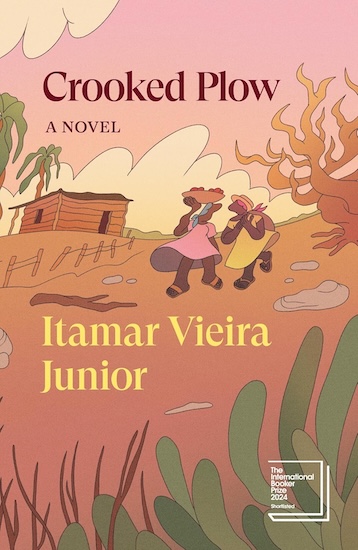
Sisters Bibiana and Belonísia grow up on Água Negra, a farm in the Bahian backlands where their family, descendants of enslaved people, works land they will never own. A childhood accident with a knife costs one sister her voice, and the novel passes between the two women, and a third, mystical narrator, as the family fights for the right to the land. Originally titled Torto Arado, it won the Leya Prize in 2018 and Brazil’s Jabuti Prize in 2020, and reached English readers in 2023.
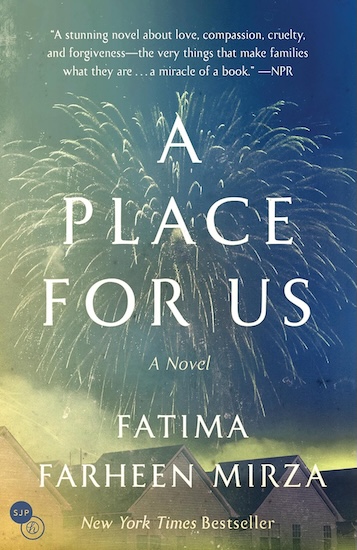
The novel opens at the wedding of Hadia, the eldest daughter of an Indian American Muslim family in California, where her estranged brother Amar returns after years away. Moving back and forth through time, Mirza shows how the love between parents and children can hold a family together and also divide it. It is quieter than most sagas, but its emotional range is wide.
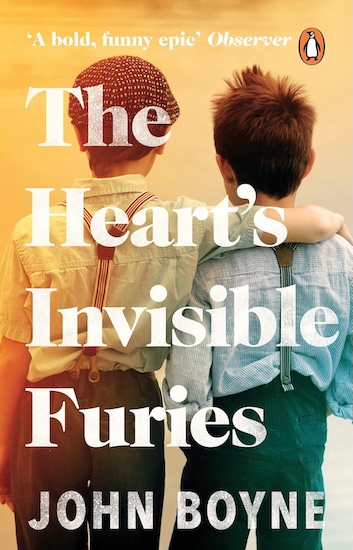
Cyril Avery is born in 1945 to an unmarried teenager in rural Ireland and adopted by a wealthy Dublin couple who never let him forget he is not their real son. Over seven decades, he searches for love, acceptance and a family of his own in a country that was hostile to him. Funny, angry and moving, it shows how a nation’s attitudes change slowly and then all at once.
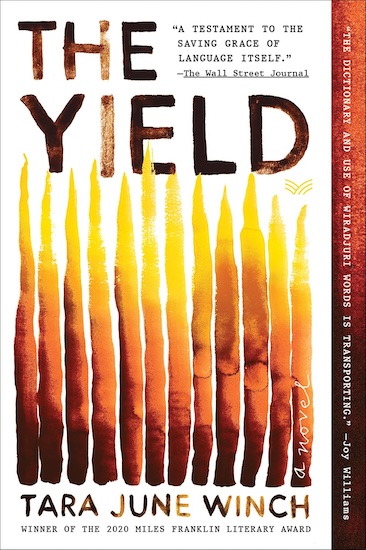
August Gondiwindi comes home to her Wiradjuri family’s land in New South Wales for her grandfather Albert’s funeral, and finds the property under threat from a mining company. The novel weaves her story with Albert’s dictionary of the Wiradjuri language and the letters of a nineteenth-century missionary. It won Australia’s Miles Franklin Award in 2020 and treats a family archive as an act of survival.
What today’s sagas have in common
The classic saga followed a dynasty of the powerful. These books follow people who were often overlooked: immigrants, refugees, the colonized, the enslaved, the closeted. Their structures are bolder, too, with alternating voices, time shifts and chapters built like short stories. What stays the same is the pleasure of watching time work on a family, and of seeing how a single choice can echo for generations.
If you are new to the genre, start with Pachinko or A Place for Us. For something more unusual in form, try Homegoing or The Yield. And if you want a story that has not yet reached every bookshelf, Kintu is waiting.