Ichiyo Higuchi
JapanAbout
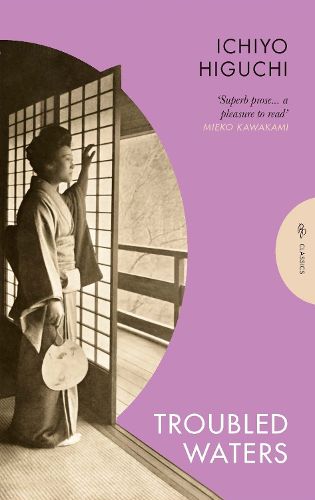
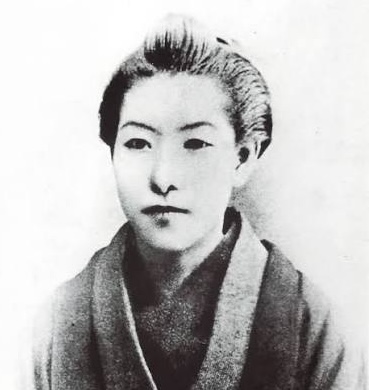
Ichiyō Higuchi (1872–1896) was a pioneering Japanese novelist and poet of the Meiji period, widely regarded as one of the most important women writers in modern Japanese literature. Born Natsu Higuchi in Tokyo, she grew up in a family whose fortunes declined dramatically after her father’s death in 1889. Despite her talent and enthusiasm for literature, she faced considerable financial hardship and became responsible for helping support her mother and younger sister. Higuchi studied classical Japanese poetry and literature under the poet Utako Nakajima before turning to fiction. Her early stories attracted attention, and she soon established herself as an exceptional literary voice. Living near Tokyo’s Yoshiwara pleasure district exposed her to the struggles of working-class women and marginalized communities, which became central subjects in her writing. Her best-known works include Troubled Waters (1895), Growing Up (1895), The Thirteenth Night (1895), and The Last Day of the Year (1894). Combining classical literary influences with a remarkably perceptive understanding of human psychology, she wrote about poverty, gender inequality, social expectations, and the vulnerability of people living on society’s margins. Higuchi died of tuberculosis in November 1896, aged just 24. Although her literary career lasted only a few years, her work secured her a lasting place in Japanese literature. Since 2004, her portrait has appeared on Japan’s 5,000-yen banknote, reflecting her enduring cultural significance.