Inger Christensen

Inger Christensen

Denmark

About

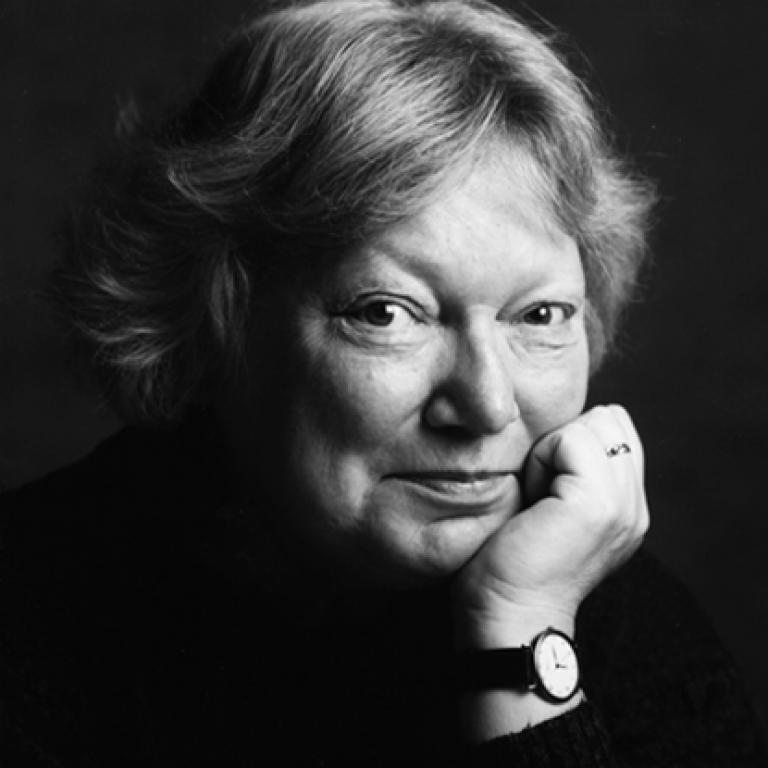
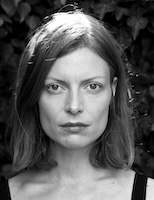
Inger Christensen (1935–2009) was one of Denmark’s most celebrated poets and literary innovators. Born in Vejle, Denmark, she trained as a teacher and began her literary career in the early 1960s. Her writing spans poetry, prose, essays, and experimental fiction, distinguished by its musical language, philosophical depth, and fascination with the relationship between language, nature, and human existence. Christensen became internationally renowned for collections such as it (1969), alphabet (1981), and Butterfly Valley (1991). In alphabet, she combines the alphabet with the Fibonacci sequence to explore the interconnectedness of life, beauty, and destruction. Her work often brings mathematical structures into conversation with ecological concerns and questions about humanity’s place in the universe. Throughout her career, Christensen received numerous prestigious literary honours, including the Nordic Prize of the Swedish Academy and the Austrian State Prize for European Literature. She was a member of the Danish Academy from 1978 and was repeatedly mentioned as a possible Nobel Prize in Literature laureate. Her work has been translated into more than thirty languages and continues to influence poets and writers around the world.
Books on TheBookRoads

1
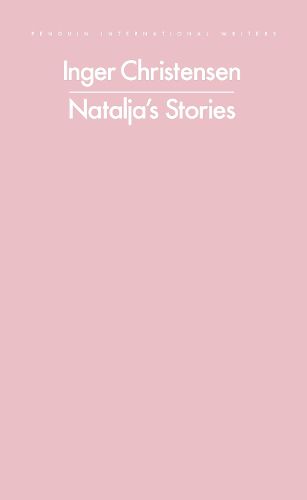
Natalja’s Stories
Natalja’s Stories
Spanning generations of women and moving between Denmark and Russia, Natalja’s Stories is an inventive, surrealist exploration of family history, migration, and the elusive nature of identity. The story begins with Marie, a young woman living in Copenhagen who leaves her home with a Russian admirer and travels to St. Petersburg. As political upheaval engulfs Russia following the Revolution, Marie dies, and her daughter, Natalja, undertakes the journey back to Denmark carrying her mother’s ashes. But Natalja’s story refuses to unfold as a conventional tale of exile and loss. Retold through the memories and imaginations of successive generations, it becomes a shifting narrative filled with mysterious encounters, murders, absurd characters, and unexpected connections. A particularly unsettling figure, Viktor Blanke, appears across the lives of three generations of mothers and daughters, blurring the boundaries between past and present, memory and invention. As the stories accumulate, identities overlap and family history becomes increasingly difficult to distinguish from fiction. Originally published in Danish in 1988 as Nataljas fortællinger, this playful, formally experimental novella challenges familiar narratives about migration and belonging. Christensen combines dark humour, surrealism, and philosophical reflection to suggest that identity is never fixed: we continually reinvent ourselves through the stories we tell about our lives.
2025 Denmark