Alain Mabanckou

Alain Mabanckou

About

Alain Mabanckou is a Congolese-French novelist, poet, and academic, born in 1966 in Pointe-Noire, Republic of the Congo. He is one of the most prominent contemporary Francophone African writers, known for his inventive prose, dark humour, and satirical portrayals of African society and the immigrant experience. After studying law in Brazzaville and Paris, he worked in France before becoming a professor of literature at the University of California, Los Angeles. His novels frequently explore colonial legacies, migration, corruption, identity, and the contradictions of modern African life. Among his best-known works are African Psycho (2003), a darkly comic novel about a would-be criminal, and Broken Glass (2005), narrated by a troubled former teacher in a Congolese bar. His novel Black Bazaar (2009) examines the lives of African immigrants in Paris. Blending oral storytelling traditions with literary experimentation, Mabanckou challenges stereotypes and explores the complex relationship between Africa and the wider world.

Books on TheBookRoads
1
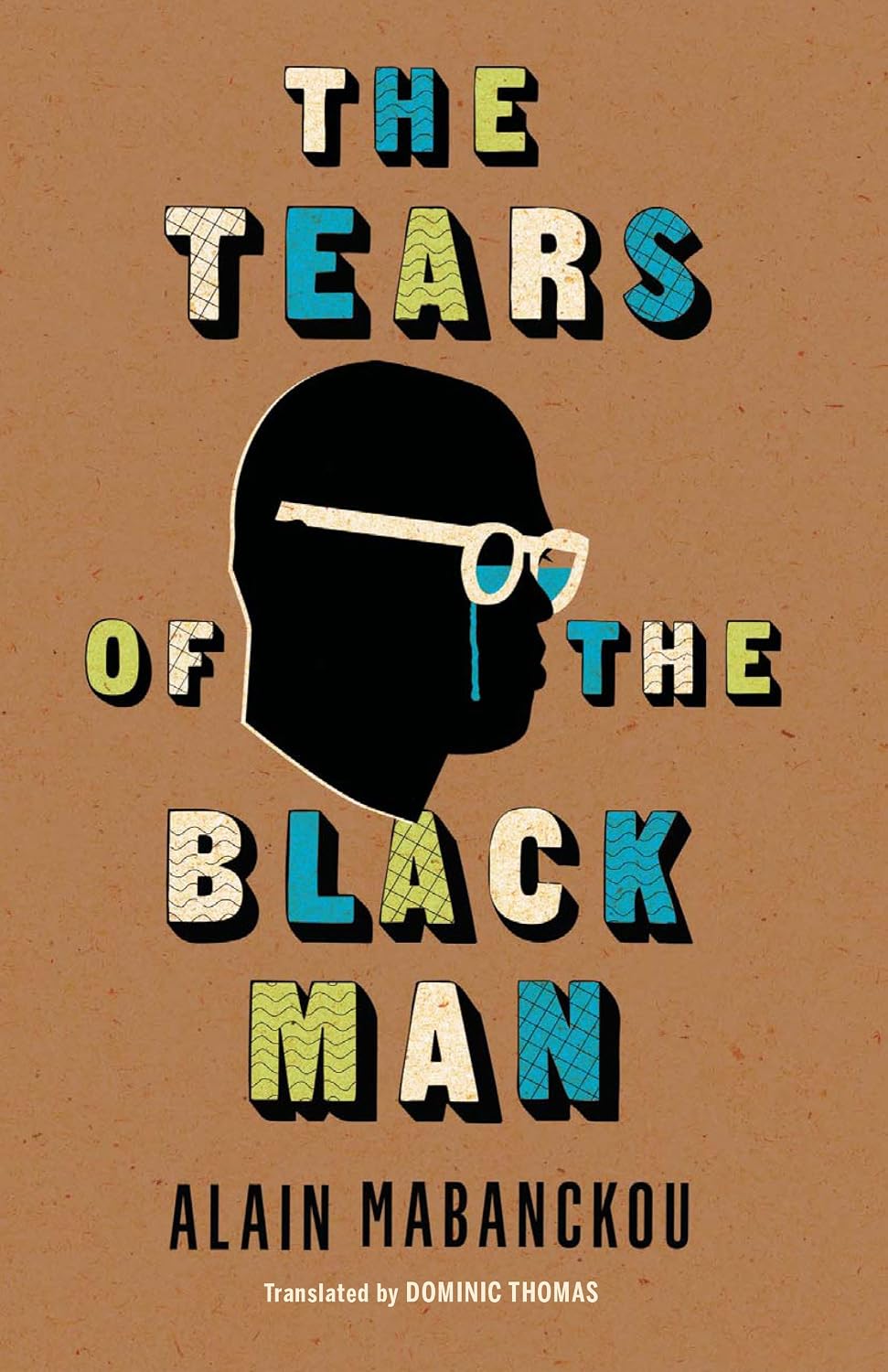
Tears of the Black Man
In Tears of the Black Man, Congolese writer Alain Mabanckou examines the complex relationship between Africa and the West, exploring how colonial history, migration, and racial stereotypes continue to shape perceptions of Black identity. Drawing on personal experiences, literature, and cultural observations, Mabanckou challenges simplified narratives that portray Africans solely as victims of colonialism or racism. The book reflects on the expectations placed on Black people in Europe, the contradictions within contemporary African societies, and the ways historical grievances can influence individual and collective identities. Mabanckou also questions the tendency to explain present-day difficulties exclusively through the legacy of slavery and colonial rule, encouraging readers to consider the role of personal agency and contemporary political realities. Blending memoir, cultural criticism, and social commentary, the work offers a provocative reflection on race, belonging, and the ongoing dialogue between Africa and the wider world.
2012 Congo, Democratic Republic
2
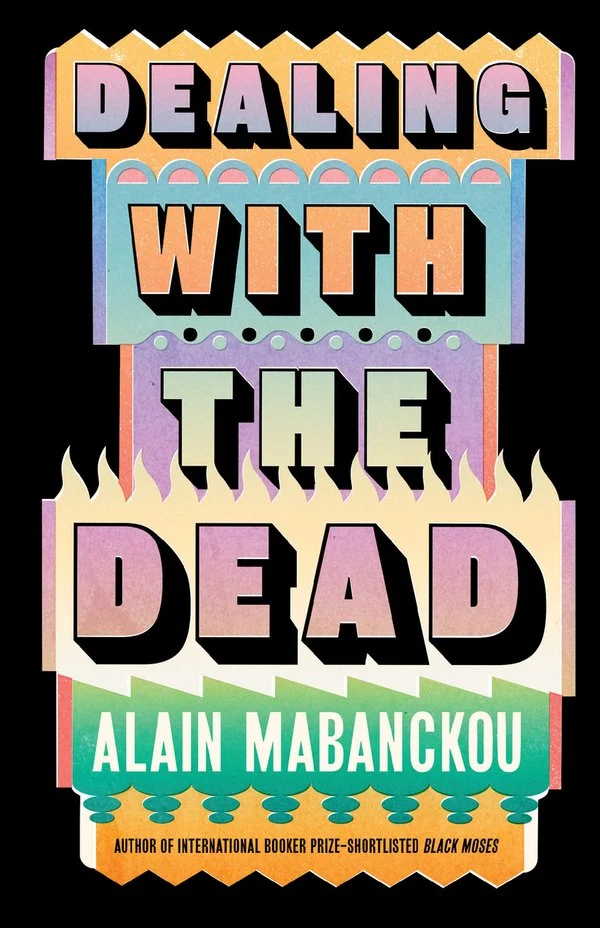
Dealing with the Dead
In the Congolese coastal city of Pointe-Noire, twenty-two-year-old Liwa Ekimakingaï wakes up in a cemetery, discovering that he has been dead for three days. Dressed forever in a pair of flared purple trousers, he finds himself among the cemetery’s other residents, whose extraordinary stories reveal a world where the boundary between the living and the dead is surprisingly thin. Unable to remember exactly how he died, Liwa sets out to revisit his past and uncover the truth behind his mysterious death. His journey takes him back to his childhood, his beloved grandmother, and the events surrounding his final night. As memories and rumours begin to converge, a darker picture emerges of a society shaped by corruption, political violence, and the pursuit of wealth and power. Blending African spiritual traditions, surreal humour, and social satire, Mabanckou creates a fantastical portrait of contemporary Congolese life. Beneath its playful, ghostly premise, the novel asks who controls the stories of the dead—and whether justice remains possible after life has ended.
2025 Congo, Democratic Republic