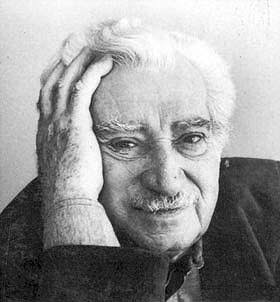
Clarice Lispector
BrazilAbout
Clarice Lispector (1920–1977) was a Brazilian novelist and short-story writer widely regarded as one of the most influential voices in modern Latin American literature. Born in Ukraine to a Jewish family, she immigrated to Brazil as an infant and grew up speaking Portuguese. Her writing is known for its introspective style, psychological depth, and philosophical exploration of consciousness, identity, and existence. Often blending everyday experiences with profound existential questions, Lispector developed a distinctive literary voice that challenged conventional narrative forms. Her notable works include Near to the Wild Heart, The Hour of the Star, and Água Viva.
Books on TheBookRoads
1
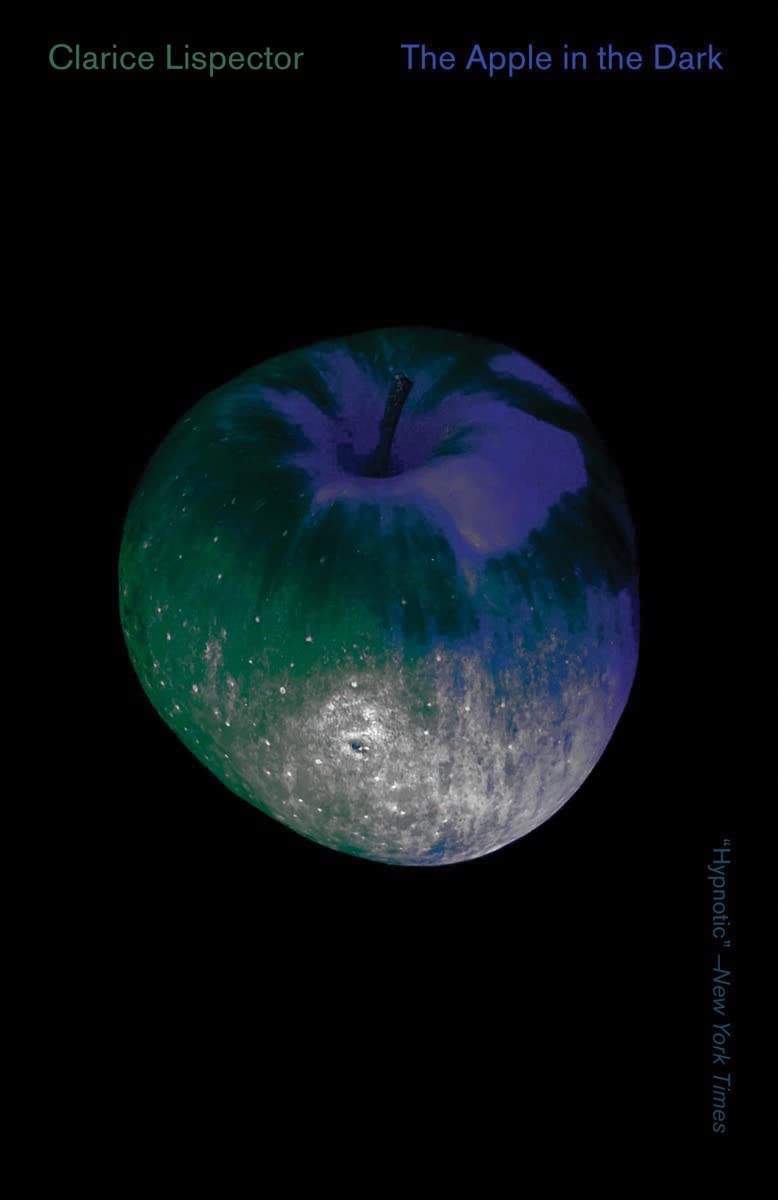
Apple in the Dark
The Apple in the Dark follows Martim, a man who flees his home after believing he has committed a terrible act against his wife. Seeking refuge in the Brazilian countryside, he finds work on a remote farm owned by two women, Vitória and Ermelinda. Away from the structures of his former life, Martim begins to experience the world as if he were discovering it for the first time. His escape becomes a profound journey into the nature of consciousness, language, morality, and personal identity. Through introspective prose and philosophical reflections, Clarice Lispector explores what remains of a person when familiar social roles and established beliefs fall away. Rather than offering a conventional narrative of guilt and redemption, the novel examines the unsettling possibility of creating oneself anew. It is a deeply existential work about freedom, responsibility, and the struggle to understand what it means to be human.
2023
Brazil
2
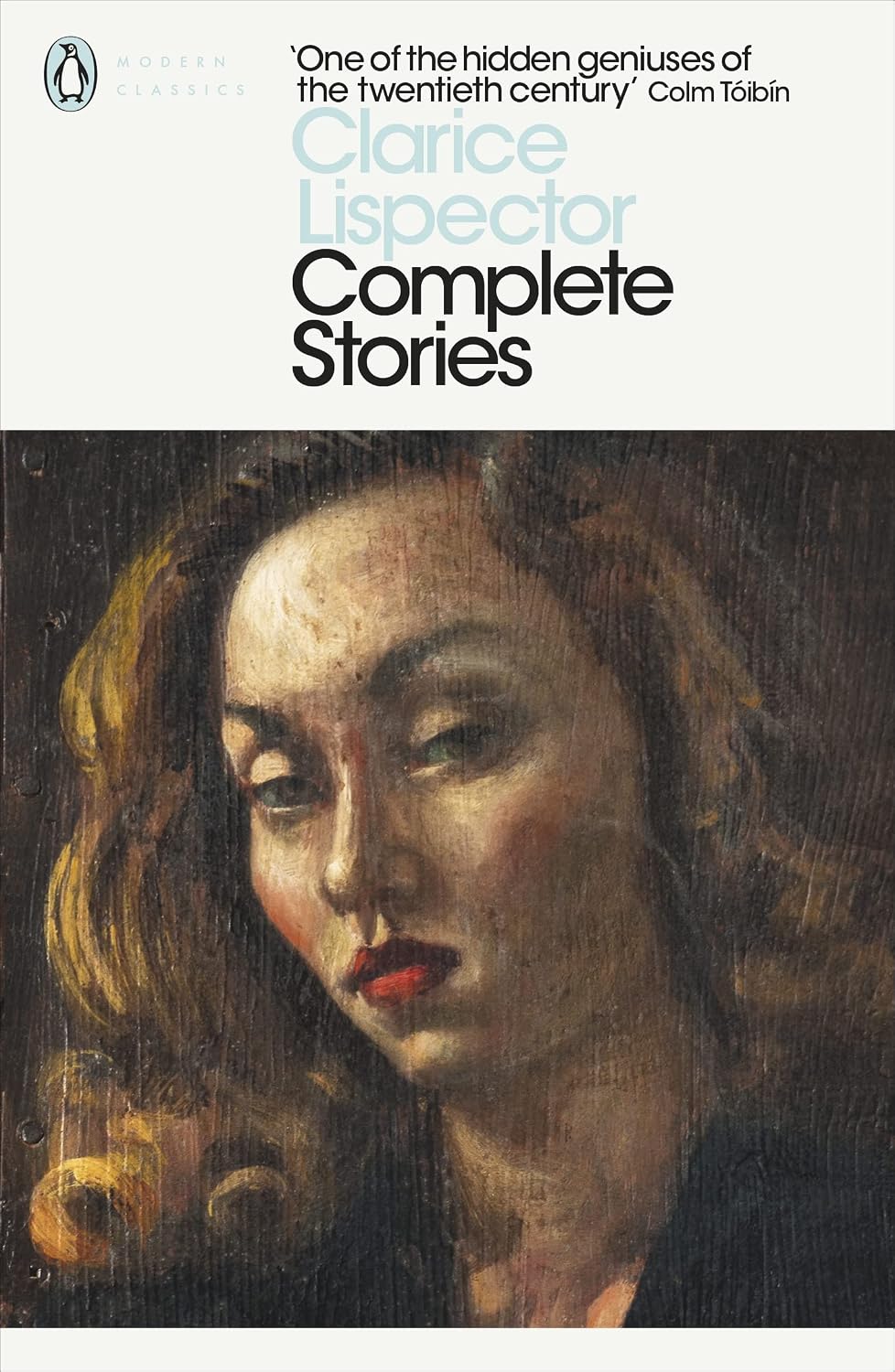
Complete Stories
Complete Stories brings together the short fiction of Clarice Lispector, spanning her entire career and revealing the extraordinary range of one of Brazil’s most influential literary voices. Across stories set in ordinary homes, crowded cities, and unfamiliar landscapes, Lispector explores the hidden emotional lives of women, children, domestic workers, and other characters whose everyday experiences conceal profound inner conflicts.
Often beginning with seemingly insignificant moments—a conversation, a household routine, an encounter with an animal—her stories gradually uncover unsettling questions about identity, desire, freedom, and the nature of existence. Characters experience sudden revelations that disrupt their familiar understanding of themselves and the world, exposing the tension between social expectations and private impulses. Lispector’s distinctive prose combines psychological intensity, philosophical reflection, and unexpected humour, frequently blurring the boundaries between the ordinary and the surreal. Rather than offering clear resolutions, these stories invite readers into the uncertainties of consciousness and the complexity of being human.
2015
Brazil
3
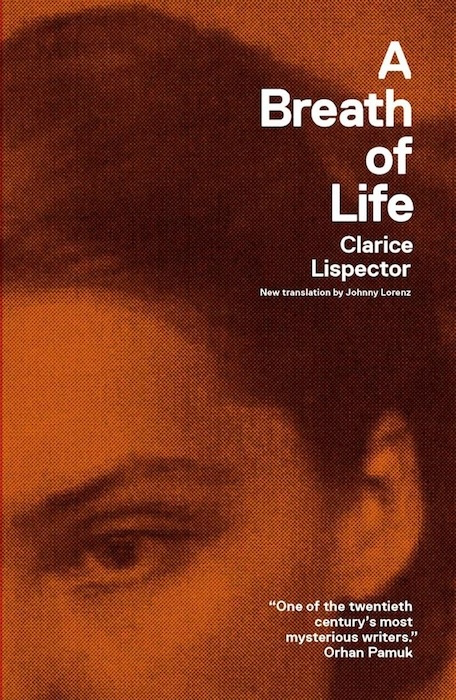
A Breath of Life: Pulsations
A Breath of Life: Pulsations is an experimental, posthumously published novel in which Clarice Lispector explores the mysterious relationship between a creator and the character he brings into existence. The book unfolds as a dialogue between an unnamed male author and Angela Pralini, the fictional woman whose thoughts, desires, and contradictions gradually take shape through his writing. As the two voices interact, the boundaries between author and creation become increasingly uncertain, raising questions about who controls a story and whether a fictional character can exist independently of the person who imagines her.
Moving between philosophical reflections, fragments of narrative, and intimate meditations on existence, the novel examines creativity, consciousness, mortality, and the limitations of language. The author struggles to understand Angela, while she resists being reduced to his interpretation of her. Through this unusual structure, Lispector investigates the tension between identity and invention, revealing the restless search for meaning that lies at the heart of both artistic creation and human life.
1978
Brazil
4
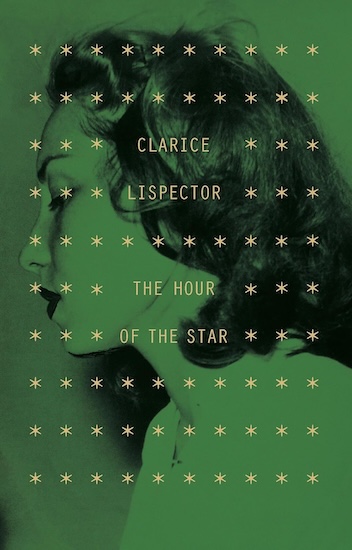
The Hour of the Star
The Hour of the Star follows Macabéa, a poor young woman from northeastern Brazil who moves to Rio de Janeiro in search of a better life. Working as a typist and living in poverty, she leads an almost invisible existence, lacking the education, confidence, and social awareness to understand the world around her. Despite her difficult circumstances, Macabéa possesses a quiet innocence and an unexpected capacity for happiness, finding small pleasures in everyday life.
Her story is narrated by Rodrigo S.M., a writer who struggles to represent her life honestly while confronting his own privilege and the limitations of storytelling. Through this unusual narrative perspective, Clarice Lispector explores poverty, gender, social exclusion, and the difficulty of giving voice to those society overlooks. Both intimate and unsettling, the novel asks profound questions about human dignity, identity, and whether an insignificant life can ever receive its moment of recognition.
1977
Brazil
5
Imitation of the Rose
The Imitation of the Rose is a short story about Laura, a woman recently recovered from a period of mental illness who is preparing for an ordinary evening out with her husband. Determined to return to a stable, socially acceptable life, she carefully follows her daily routines and tries to keep her thoughts under control. When she encounters a bouquet of beautiful roses, however, their perfection unsettles her. Unable to resist their beauty, she decides to send the flowers to a friend, setting in motion an intense internal struggle between her desire for order and the emotions she has tried to suppress.
Through Laura’s seemingly insignificant decision, Clarice Lispector examines the fragility of mental stability and the pressures placed on women to conform to domestic expectations. The roses become a symbol of beauty, desire, and the unsettling possibility of losing control. With its close attention to the protagonist’s inner world, the story reveals how an apparently ordinary moment can expose the tensions beneath a carefully constructed life.
1960
Brazil
6
Near to the Wild Heart
Near to the Wild Heart follows Joana, a young woman whose intense inner life sets her apart from the people around her. From childhood into adulthood, Joana struggles to understand herself and her place in a world shaped by social conventions, marriage, and expectations of femininity. Observant, independent, and often restless, she questions the rules that govern relationships and the assumptions society makes about how women should live.
Rather than following a conventional plot, Clarice Lispector explores Joana’s consciousness through shifting memories, introspection, and poetic reflections. Her thoughts move between childhood experiences, her complicated marriage, and her desire for a freedom that cannot easily be defined. The novel examines the tension between individuality and conformity, exploring how identity emerges through solitude, desire, and self-examination. Celebrated for its experimental style and psychological depth, Lispector’s debut novel marked the arrival of a distinctive voice in Brazilian literature, one deeply concerned with the mysteries and contradictions of human existence.
1943
Brazil