
Abdulrazak Gurnah
TanzaniaAbout
Abdulrazak Gurnah is a Tanzanian-born novelist and academic who grew up in Zanzibar and later moved to Britain. He is the author of novels including Paradise, By the Sea, and Afterlives, and was awarded the 2021 Nobel Prize in Literature for his writing on colonialism, displacement, and the experience of refugees.
Books on TheBookRoads
1
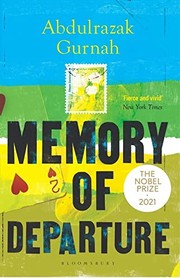
Memory of Departure
Memory of Departure, Gurnah’s debut novel, follows Hassan Omar, a young man growing up in a poor coastal community in East Africa. Intelligent and ambitious, Hassan dreams of escaping the limitations of his environment through education and opportunities abroad. However, his family life is marked by poverty, violence, and disappointment, making his desire to leave both a personal ambition and an attempt to escape an oppressive reality. As Hassan navigates difficult relationships and confronts the harshness of the world around him, he begins to understand the emotional and moral costs of pursuing a different future. The novel explores the struggle between hope and disillusionment, examining how family circumstances, social inequality, and colonial legacies shape the possibilities available to young people seeking independence.
1987
Tanzania
2
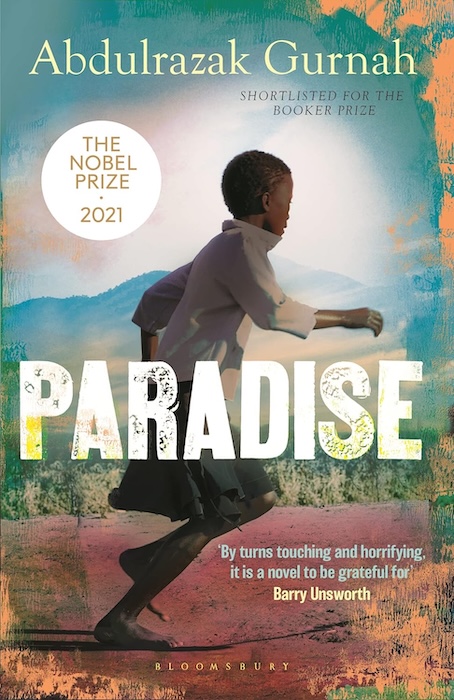
Paradise
Paradise follows Yusuf, a twelve-year-old boy growing up in East Africa at the beginning of the twentieth century. When his father falls into debt, Yusuf is handed over to Aziz, a wealthy merchant, as repayment. Taken away from his family, Yusuf begins working for the merchant and gradually discovers a world shaped by trade, cultural exchange, religious traditions, and colonial expansion. His journeys through towns and trading routes expose him to the inequalities and tensions of a society on the brink of profound change. As Yusuf grows older, he struggles to understand his place in a world where freedom is limited by economic dependence, social hierarchies, and the ambitions of powerful men. Drawing on East African history and the region’s diverse cultural influences, Gurnah explores exploitation, displacement, desire, and the loss of innocence. The novel’s title evokes a promised paradise that remains elusive, revealing the gap between the beauty of the natural world and the harsh realities of human power and domination.
1994
Tanzania
Country
Tanzania
Africa
Also from Tanzania

Euphrase Kezilahabi
1 book