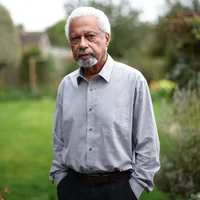
Abdulrazak Gurnah
TanzaniaAbout
Abdulrazak Gurnah is a Tanzanian-born novelist and academic who grew up in Zanzibar and later moved to Britain. He is the author of novels including Paradise, By the Sea, and Afterlives, and was awarded the 2021 Nobel Prize in Literature for his writing on colonialism, displacement, and the experience of refugees.
Books on TheBookRoads
1
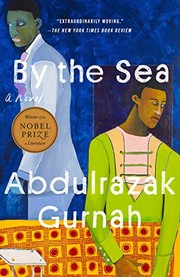
By the Sea
By the Sea follows Saleh Omar, an elderly man from Zanzibar who arrives in England seeking asylum, carrying little more than a small suitcase and a box of fragrant incense. Unable or unwilling to explain his past fully, he becomes entangled in a complex history of family conflict, political upheaval, and personal betrayal. His story gradually intersects with that of Latif Mahmud, another Tanzanian exile whose family history is closely connected to Saleh’s own. As the two men confront their shared past, the novel explores displacement, memory, and the uncertain meaning of belonging. Through their conflicting recollections, Gurnah reveals how personal narratives are shaped by loss and resentment, while examining the emotional and cultural challenges faced by those forced to rebuild their lives far from home.
2023
Tanzania
2
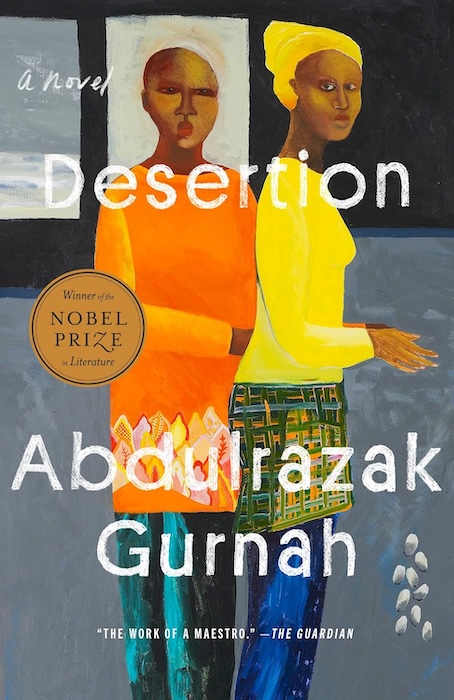
Desertion
Spanning several decades in East Africa, Desertion examines love, social divisions, and the enduring consequences of colonialism. The story begins in the late nineteenth century, when an English traveller, Martin Pearce, falls ill in a small coastal town and is cared for by Rehana, a local woman whose own life has been marked by abandonment. Their relationship challenges the racial and cultural boundaries of the colonial society in which they live. Generations later, their descendants continue to grapple with the complicated legacy of this relationship and the secrets surrounding their family history. Moving between different periods and perspectives, Gurnah explores how private choices become entangled with larger historical forces, revealing the lasting influence of prejudice, memory, and inherited expectations.
2023
Tanzania
3
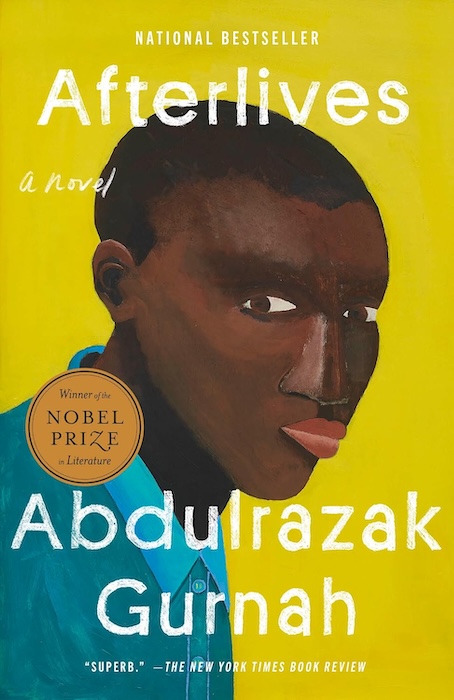
Afterlives
Set in German-occupied East Africa during the early twentieth century, Afterlives follows several characters whose lives are shaped by colonialism, war, and the struggle for independence. When young Ilyas returns to his village after being taken away by German colonial forces, he discovers that his family has been torn apart. His sister Afiya faces hardship and neglect before finding a new home, while Hamza, a former soldier in the German colonial army, attempts to build a peaceful life after experiencing the brutality of war. As their stories gradually intersect, Gurnah explores the lasting consequences of colonial violence and the ways historical trauma shapes individuals and communities across generations.
2023
Tanzania
4
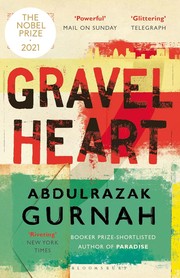
Gravel Heart
Gravel Heart follows Salim, a young boy growing up in Zanzibar amid family tensions and the political upheaval that follows the island’s independence and revolution. Salim struggles to understand his father’s emotional distance and the secrets that shape his family. When his uncle offers him the opportunity to study in London, Salim leaves home hoping to find a different future. However, life as an immigrant brings new forms of isolation, prejudice, and uncertainty. As he attempts to understand his parents’ choices and his own place in the world, Salim confronts the painful relationship between personal history and self-discovery. Gurnah explores exile, belonging, family betrayal, and the ways that unresolved secrets can shape a person’s sense of identity across continents and generations.
2017
Tanzania
5
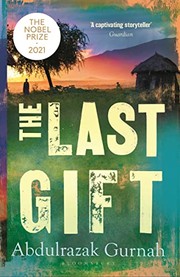
The Last Gift
The Last Gift explores migration, family secrets, and the complicated relationship between personal identity and cultural heritage. Abbas, a Tanzanian man living in England, suffers a stroke that leaves him unable to speak. As his health deteriorates, memories of his earlier life begin to emerge, revealing experiences he has kept hidden from his wife, Maryam, and their children, Jamal and Hanna. His silence forces the family to confront questions about their past, their origins, and the emotional distance that has developed between them. Through shifting perspectives and carefully uncovered memories, Gurnah examines the difficulties of belonging between cultures and generations, showing how unspoken histories can influence family relationships long after people have tried to leave their past behind.
2011
Tanzania
6
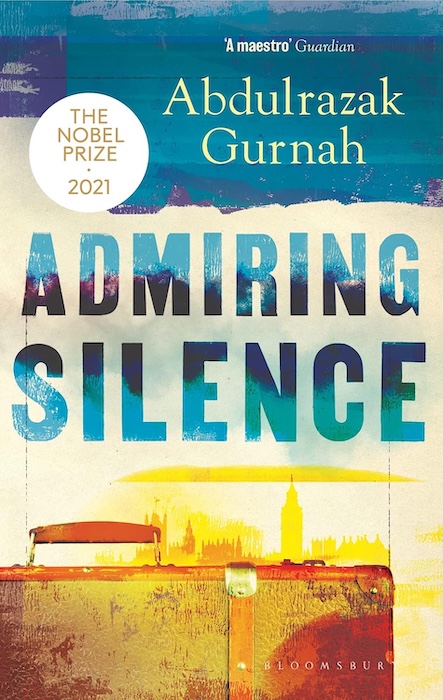
Admiring Silence
Admiring Silence tells the story of an unnamed man from Zanzibar who escapes to England in the 1960s and builds a new life as a teacher. He forms a relationship with an English woman and raises their daughter while concealing uncomfortable truths about his background and experiences. For years, he presents his family with a carefully constructed version of his past, using silence and storytelling to protect himself from painful memories. When he eventually returns to Zanzibar after two decades away, he discovers that the place he remembers has changed and that he no longer entirely belongs there. Through the narrator’s divided loyalties, Gurnah examines migration, cultural displacement, self-deception, and the tension between the identity people present to others and the lives they have actually lived.
1996
Tanzania
7
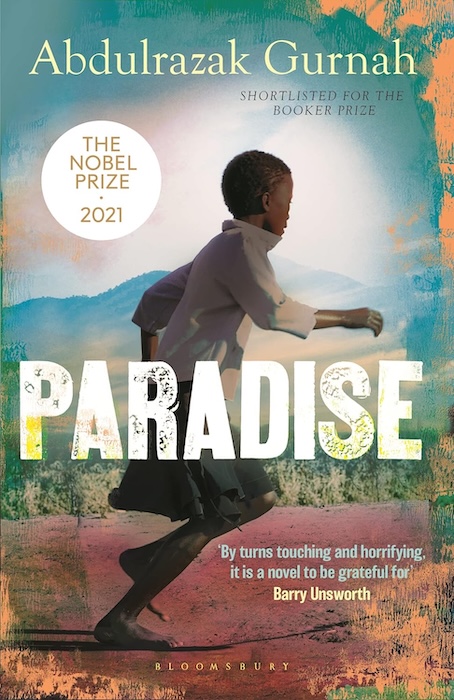
Paradise
Paradise follows Yusuf, a twelve-year-old boy growing up in East Africa at the beginning of the twentieth century. When his father falls into debt, Yusuf is handed over to Aziz, a wealthy merchant, as repayment. Taken away from his family, Yusuf begins working for the merchant and gradually discovers a world shaped by trade, cultural exchange, religious traditions, and colonial expansion. His journeys through towns and trading routes expose him to the inequalities and tensions of a society on the brink of profound change. As Yusuf grows older, he struggles to understand his place in a world where freedom is limited by economic dependence, social hierarchies, and the ambitions of powerful men. Drawing on East African history and the region’s diverse cultural influences, Gurnah explores exploitation, displacement, desire, and the loss of innocence. The novel’s title evokes a promised paradise that remains elusive, revealing the gap between the beauty of the natural world and the harsh realities of human power and domination.
1994
Tanzania
Country
Tanzania
Africa
Also from Tanzania

Euphrase Kezilahabi
1 book