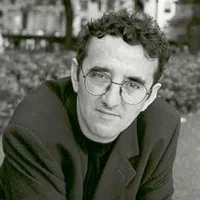
Roberto Bolaño
ChileAbout
Roberto Bolaño (1953–2003) was a Chilean novelist and poet whose work became internationally influential after his death. He spent much of his life between Chile, Mexico, and Spain, and his major works include The Savage Detectives, 2666, and By Night in Chile. His fiction frequently explores literature, political violence, exile, memory, and the lives of writers.
Books on TheBookRoads
1
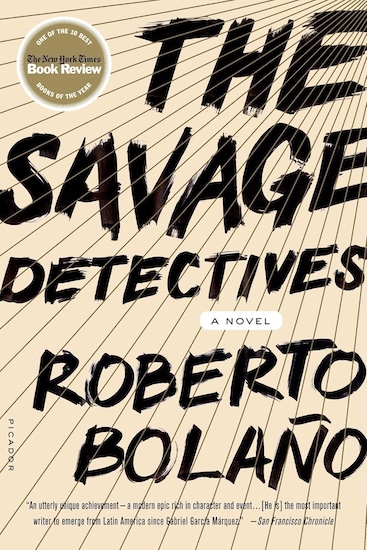
The Savage Detectives
The Savage Detectives follows two rebellious young poets, Arturo Belano and Ulises Lima, who become central figures in a loosely organised literary movement in Mexico City during the 1970s. The story begins through the diary of a teenage aspiring poet, García Madero, who becomes involved with their circle before joining them on a journey into the Mexican desert in search of a forgotten female poet. The novel then expands across decades and continents through the testimonies of people who encountered Belano and Lima, gradually assembling a fragmented portrait of their lives. Blending literary adventure, political history, and reflections on artistic ambition, Bolaño explores the restless search for meaning and the difficulty of sustaining youthful ideals. The novel celebrates literature’s rebellious spirit while revealing the loneliness and uncertainty that can accompany a life devoted to art.
1998
Chile
2
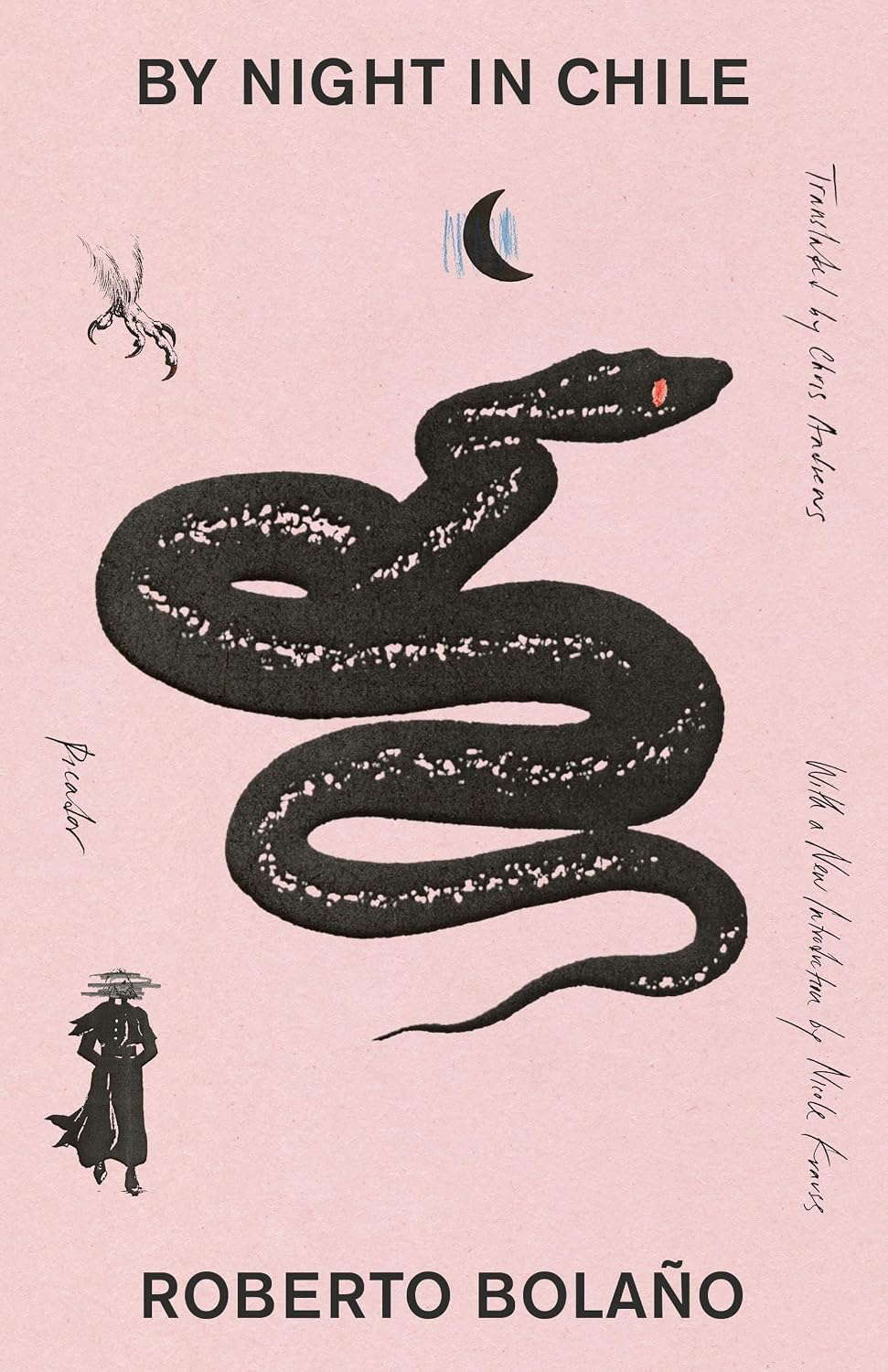
By Night in Chile
By Night in Chile is narrated by Father Sebastián Urrutia Lacroix, a Chilean priest, literary critic, and member of the country’s intellectual establishment. As he lies dying, he reflects on his life, defending his decisions and attempting to reconcile his cultural ambitions with the political realities of Chile under Augusto Pinochet’s dictatorship. His memories reveal disturbing connections between literary circles, religious institutions, and the machinery of political repression. Bolaño uses a single, breathless monologue to expose the compromises and silences of people who preserve their social standing while injustice unfolds around them. Blurring the boundaries between confession, satire, and historical testimony, the novella examines complicity, moral cowardice, and the responsibility of intellectuals when faced with authoritarian power.
2000
Chile
Country
Chile
South America
Also from Chile

Isabel Allende
3 books