Chile
South America
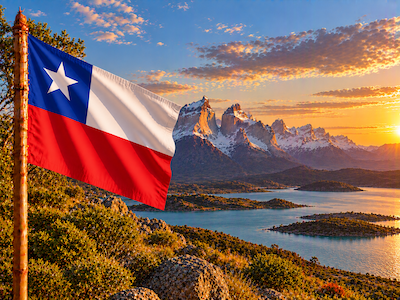
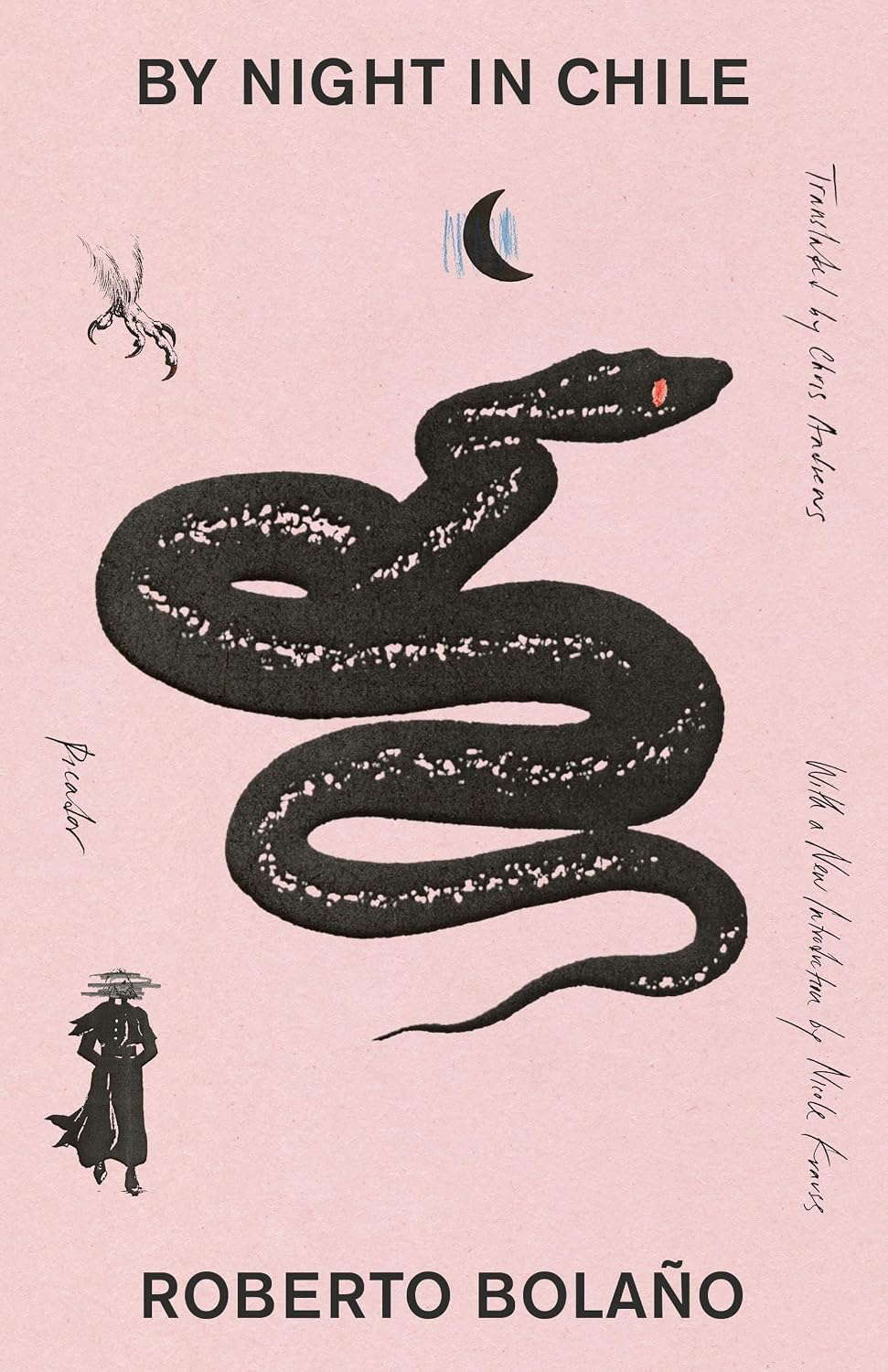

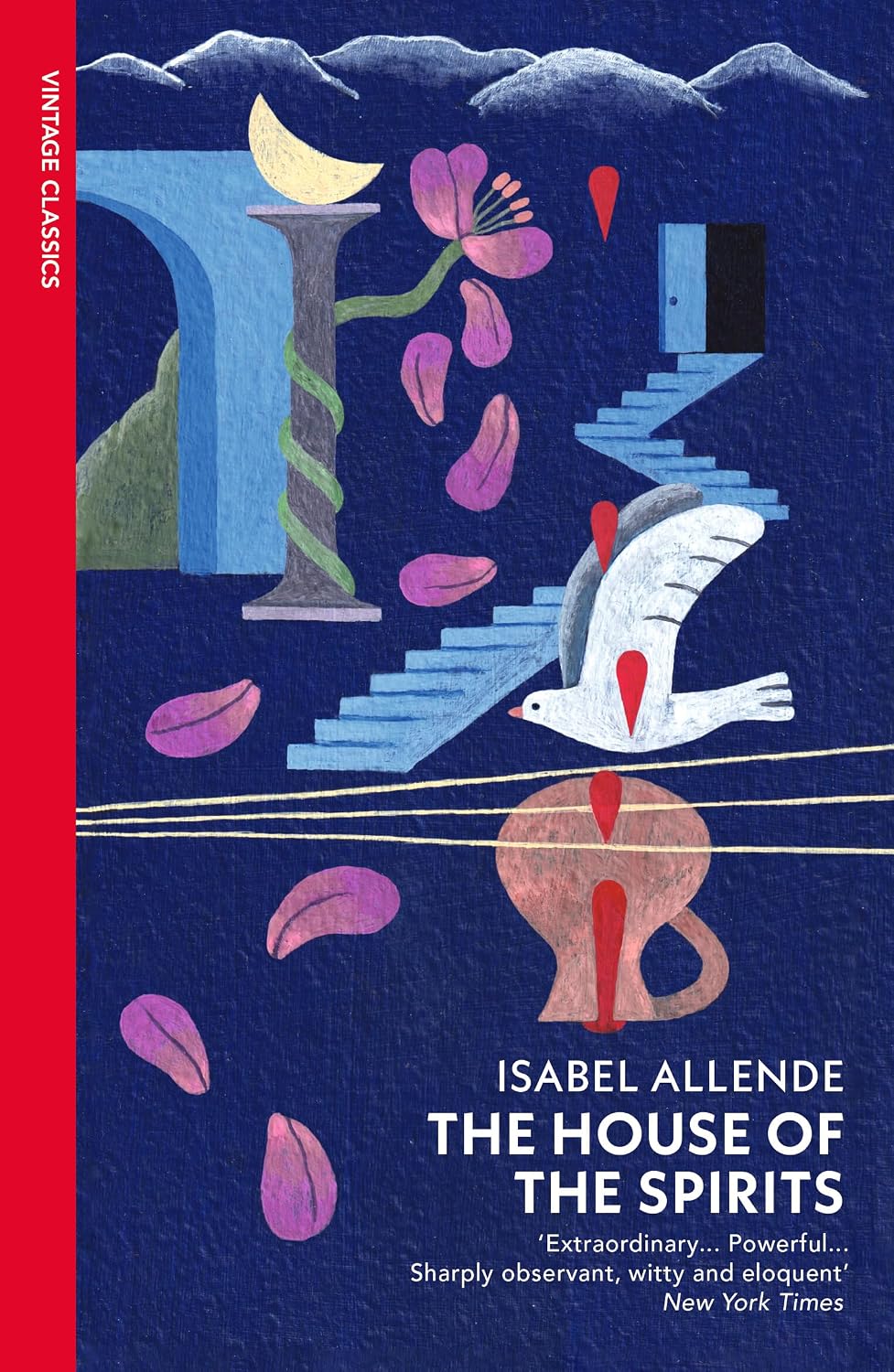
Chile is a narrow country stretching along South America's Pacific coast, from the Atacama Desert to Patagonia. Its literature reflects the political upheavals — including Pinochet's dictatorship — that have shaped modern Chilean identity.
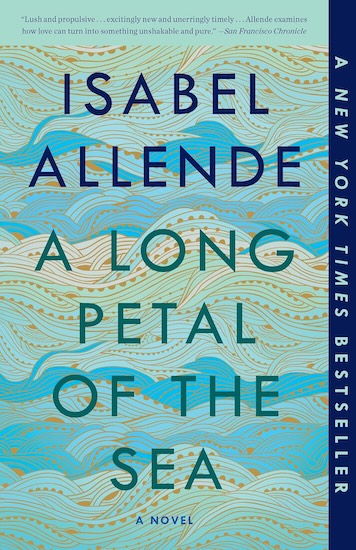
Chilean literature has a strong tradition of poetry, political writing, social realism, and reflections on landscape and identity. Two of the country’s most internationally celebrated poets are Gabriela Mistral, the first Latin American recipient of the Nobel Prize in Literature, and Pablo Neruda, whose poetry explores love, nature, politics, history, and everyday life. Modern Chilean literature has also been deeply influenced by the country’s political history, dictatorship, exile, and social inequality. Writers such as Isabel Allende have brought themes of family, memory, political violence, and migration to international audiences. Contemporary Chilean literature continues to explore memory, identity, trauma, social change, feminism, and the country’s complex relationship with its past.