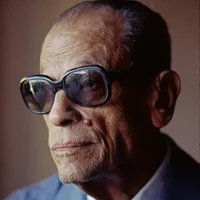
Naguib Mahfouz
EgyptAbout
Egyptian novelist and Nobel laureate (1911–2006), the first Arabic-language writer to win the prize. He wrote over 50 novels and 350 short stories, most set in Cairo's streets and coffeehouses, chronicling Egyptian life across the 20th century.
Books on TheBookRoads
1
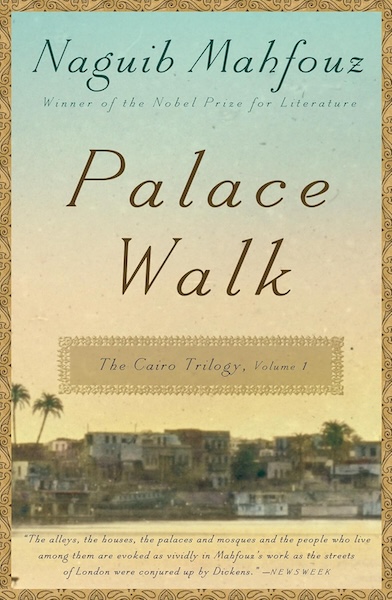
Palace Walk
Palace Walk is the first novel in Naguib Mahfouz’s acclaimed Cairo Trilogy, following the lives of the al-Sayyid family in Cairo during the First World War and the Egyptian nationalist movement of 1919. At the centre of the household is Ahmad Abd al-Jawad, a prosperous merchant who rules his family with absolute authority while secretly indulging in a life of pleasure outside the home. His wife, Amina, remains largely confined to the house, devoted to her husband and children, while their sons and daughters gradually develop ambitions that challenge the traditional values governing their lives.
As political unrest spreads through Egypt, the family’s private struggles reflect the wider tensions between tradition and modernity, religious authority and personal freedom, and colonial rule and national independence. Mahfouz portrays a society undergoing profound transformation, where generational conflicts reveal changing attitudes toward gender, education, and individual choice. Through richly detailed depictions of domestic life in historic Cairo, the novel examines the contradictions of patriarchal power and the ways political change reshapes even the most private relationships.
1956
Egypt
2
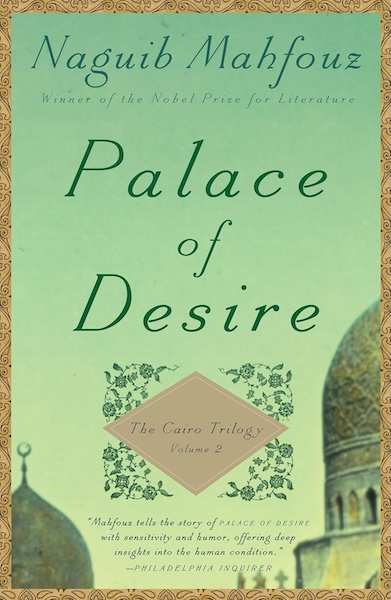
Palace of Desire
Palace of Desire is the second novel in Naguib Mahfouz’s Cairo Trilogy, continuing the story of the al-Sayyid family in Cairo during the 1920s. As Egypt experiences political change and growing demands for independence, the family faces its own transformations. Ahmad Abd al-Jawad, once the unquestioned authority in his household, grows older while continuing to struggle with his desire for pleasure and control. Meanwhile, his children enter adulthood, developing beliefs, ambitions, and relationships that increasingly challenge the traditions imposed upon them.
The novel focuses particularly on the younger generation’s changing attitudes toward religion, politics, love, and personal freedom. Kamal, the youngest son, becomes increasingly absorbed in philosophy and literature, questioning the religious certainties of his upbringing and struggling with unrequited love. Through the family’s experiences, Mahfouz explores the tension between inherited values and modern ideas, revealing how political upheaval and cultural transformation reshape intimate relationships. Rich in psychological detail, Palace of Desire portrays a society caught between tradition and modernity, where the search for independence often comes at the cost of family harmony.
1957
Egypt