Orhan Pamuk
TürkiyeAbout
Turkish novelist and Nobel laureate (born 1952) whose work bridges East and West, exploring Istanbul's history and Turkey's cultural identity. He has faced legal prosecution in Turkey for statements about the Armenian genocide and Kurdish deaths.
Books on TheBookRoads
All genres
Historical Fiction
Literary Fiction
Romance
Non-Fiction
Mystery
Memoir
Fiction
Essays
Family Saga
1
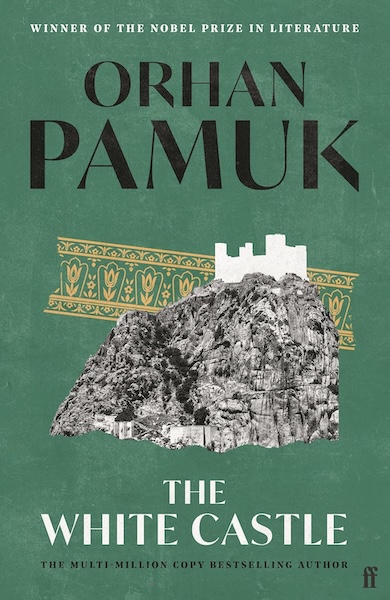
The White Castle
In the seventeenth century, a young Italian scholar travelling from Venice is captured by pirates and taken to Constantinople, where he becomes a slave. His new master, Hoja, is an Ottoman scholar fascinated by Western science and technology. But their relationship becomes increasingly strange when they discover that they look almost exactly alike.
As the Italian teaches Hoja everything he knows about astronomy, medicine, and engineering, their intellectual partnership develops into a psychological struggle. Each man becomes obsessed with understanding the other, probing his memories, fears, and deepest secrets. Gradually, the boundaries between master and slave begin to blur, raising an unsettling question: if two people know everything about each other, can they exchange identities?
Set against the grandeur and brutality of the Ottoman Empire, The White Castle is a philosophical tale about selfhood, cultural differences, and the fragile boundaries separating East from West.
1985
Türkiye
2
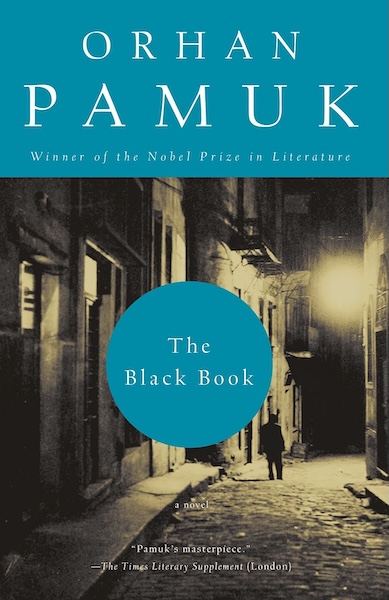
The Black Book
On a snowy day in Istanbul, lawyer Galip discovers that his wife, Rüya, has disappeared. Unable to understand why she has left, he begins searching the city’s crowded streets, old neighbourhoods, and hidden corners for clues. His investigation becomes even more mysterious when he discovers that Rüya’s half-brother, Celâl, a famous newspaper columnist, has vanished too.
As Galip follows the traces they have left behind, he becomes immersed in Celâl’s newspaper columns, which explore Istanbul’s history, its forgotten stories, and the secrets concealed beneath everyday life. The search gradually transforms into something more profound: a journey through the city’s collective memory and Galip’s own uncertain identity.
Blending mystery, philosophical reflection, and a vivid portrait of Istanbul, The Black Book explores the desire to become someone else and the difficulty of knowing who we really are. Pamuk transforms the city into a labyrinth of stories in which the search for a missing person becomes a search for the self.
1990
Türkiye
3
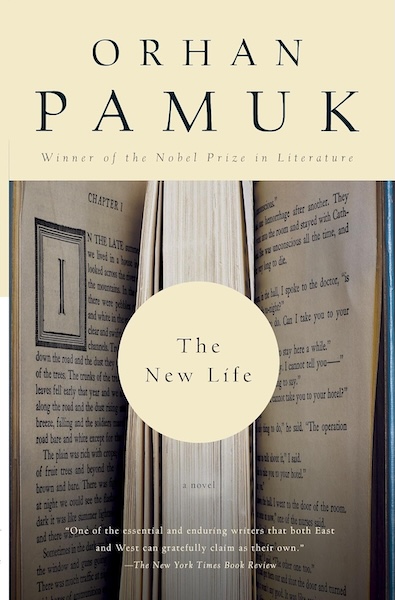
The New Life
“One day I read a book, and my whole life changed.”
With this extraordinary declaration, university student Osman begins a journey that will pull him away from everything familiar. After reading a mysterious book, he becomes convinced that its pages contain the promise of another existence—a hidden world waiting just beyond the boundaries of ordinary life. Captivated by its message, Osman abandons his studies and sets out to discover the transformation it promises.
He is joined in his search by Canan, a fellow student who has also been profoundly affected by the book. Their journey takes them across Turkey on endless bus rides through provincial towns and anonymous highways, where strange encounters and sudden accidents blur the line between reality and illusion. As Osman searches for the book’s secrets, his quest becomes increasingly entangled with love, obsession, and the possibility that his old identity is disappearing.
Part philosophical mystery and part surreal road novel, The New Life explores the power of literature to transform—and sometimes consume—the lives of its readers. Pamuk questions whether we can truly escape our former selves or whether the search for a new life is itself another form of illusion.
1994
Türkiye
4
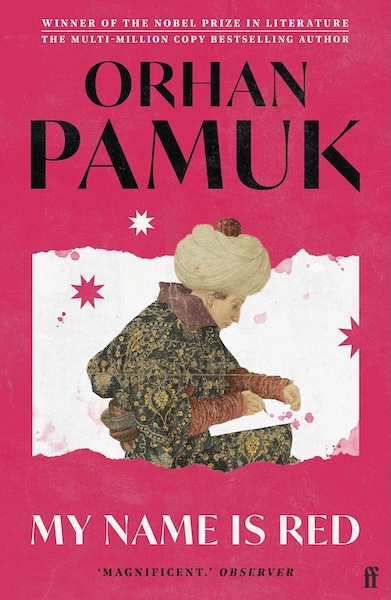
My Name Is Red
Set in sixteenth-century Istanbul during the Ottoman Empire, My Name Is Red follows a group of miniature painters commissioned to create an illustrated book for the sultan. Their work becomes controversial because it incorporates European artistic techniques that challenge traditional Islamic approaches to representation. When one of the artists is murdered, the investigation exposes rivalries, jealousy, and competing ideas about art, religion, and cultural identity. The story unfolds through multiple narrators, including artists, objects, and even a corpse, creating a complex picture of a society caught between established traditions and new influences. Pamuk explores the relationship between artistic expression and political authority, asking whether adopting foreign ideas represents progress or the loss of cultural heritage. The novel combines a murder mystery with a philosophical examination of how people understand themselves through art and tradition.
2002
Türkiye
5
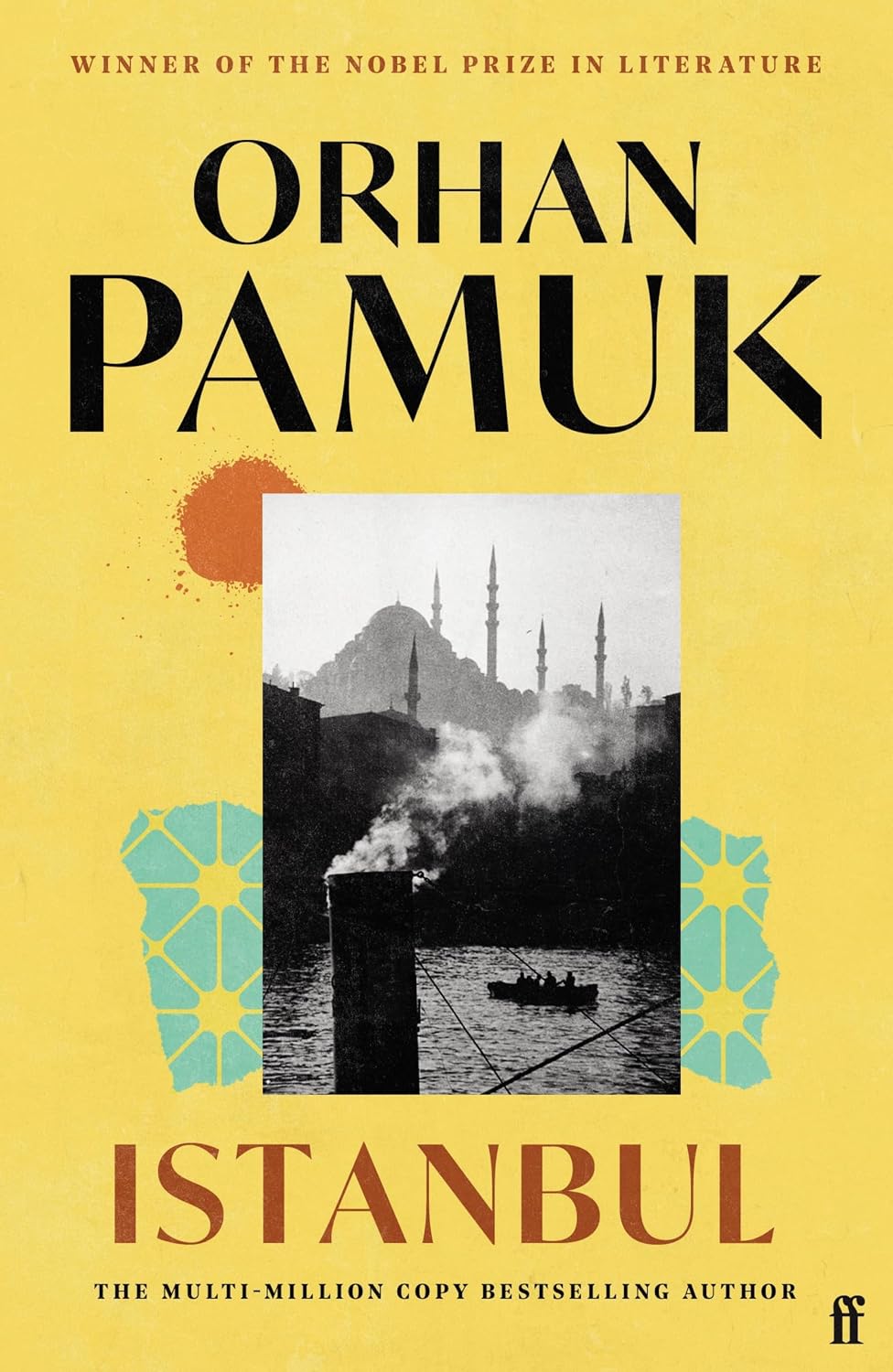
Istanbul: Memories and the City
Istanbul: Memories and the City is a memoir in which Orhan Pamuk reflects on his childhood, his family, and his lifelong relationship with Istanbul. Blending personal recollections with historical observations and literary reflections, he portrays a city shaped by the fading grandeur of the Ottoman Empire and the uncertainties of modernisation. Pamuk describes the melancholy that permeates Istanbul’s streets, abandoned mansions, waterfronts, and neighbourhoods, connecting this atmosphere to the Turkish concept of hüzün, a collective sense of sorrow and loss. His memories of family life, artistic ambition, and the changing urban landscape reveal how individual identity becomes inseparable from the place in which it develops. The book explores belonging, cultural memory, and the relationship between past and present, offering both an intimate portrait of the author and a meditation on a city searching for its place between East and West.
2003
Türkiye
6
The Naive and the Sentimental Novelist
The Naive and the Sentimental Novelist explores how novels work and why reading fiction can transform our understanding of ourselves and the world. Drawing on his experience as a novelist and his lifelong engagement with literature, Orhan Pamuk examines the relationship between writers, readers, and the fictional worlds they create. Inspired by Friedrich Schiller’s distinction between naive and sentimental poetry, Pamuk considers two approaches to storytelling: one that emerges naturally from experience and another that consciously reflects on its own methods and meanings.
Through examples from writers such as Tolstoy, Dostoevsky, and Thomas Mann, Pamuk discusses character, plot, setting, symbolism, and the delicate balance between imagination and observation. He also explores the pleasure readers find in entering a novel’s world, visualising its landscapes, and identifying with its characters. Blending literary criticism with personal reflection, the book offers an intimate account of the novelist’s craft and the reader’s experience. Ultimately, Pamuk suggests that the power of fiction lies in its ability to make imagined worlds feel as vivid and meaningful as reality itself.
2010
Türkiye
7
Memories of Distant Mountains
Memories of Distant Mountains is a collection of illustrated notebooks and personal reflections by Nobel Prize-winning author Orhan Pamuk, offering an intimate glimpse into his creative and everyday life. Combining handwritten notes, sketches, paintings, and observations, Pamuk moves between memories of his childhood in Istanbul, reflections on his family, and thoughts about the places, people, and experiences that have shaped his imagination.
The book reveals the relationship between writing and visual art in Pamuk’s creative process, showing how drawings and brief observations can capture moments that conventional storytelling might overlook. His notebooks also explore solitude, memory, urban life, and the passage of time, often returning to Istanbul as both a physical place and an enduring source of inspiration. Blending autobiography, travel writing, and artistic meditation, the collection offers readers access to the private world behind Pamuk’s novels. It is a reflection on how creativity emerges from paying attention to ordinary experiences and transforming fleeting impressions into lasting forms of expression.
2022
Türkiye