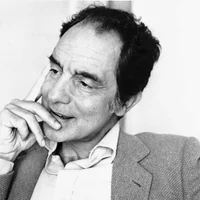
Italo Calvino
ItalyAbout
Italian novelist and journalist (1923–1985) known for his playful, experimental, and visually imaginative prose. He moved from neorealism to fable to postmodern metafiction over the course of a career that made him one of the 20th century's most distinctive voices.
Books on TheBookRoads
1
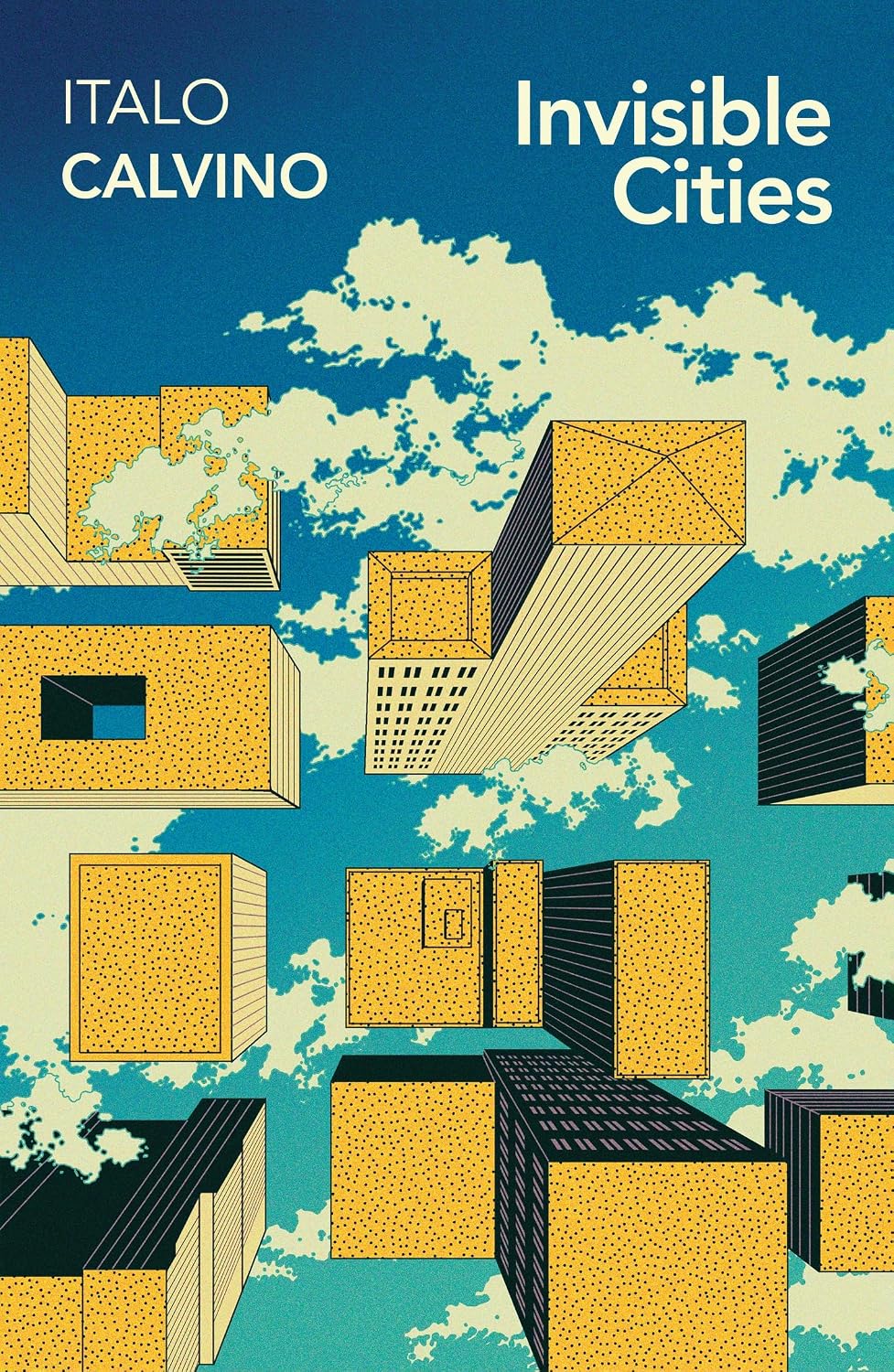
Invisible Cities
Invisible Cities imagines a series of conversations between the Venetian traveller Marco Polo and the Mongol emperor Kublai Khan. Polo describes extraordinary cities he claims to have visited, each possessing distinctive customs, architecture, memories, and relationships with time. Some cities seem suspended between life and death; others are organised around desire, exchange, or the endless accumulation of objects. Gradually, the descriptions become less like conventional travel accounts and more like meditations on human experience. Khan attempts to understand the vastness of his empire through Polo’s stories, while the traveller uses language to explore places that may reflect aspects of Venice itself. Calvino combines fantasy, philosophy, and poetic imagery to examine memory, communication, urban life, and the relationship between imagination and reality. The book invites readers to consider how cities express the hopes, fears, and contradictions of the people who inhabit them.
1972
Italy
2
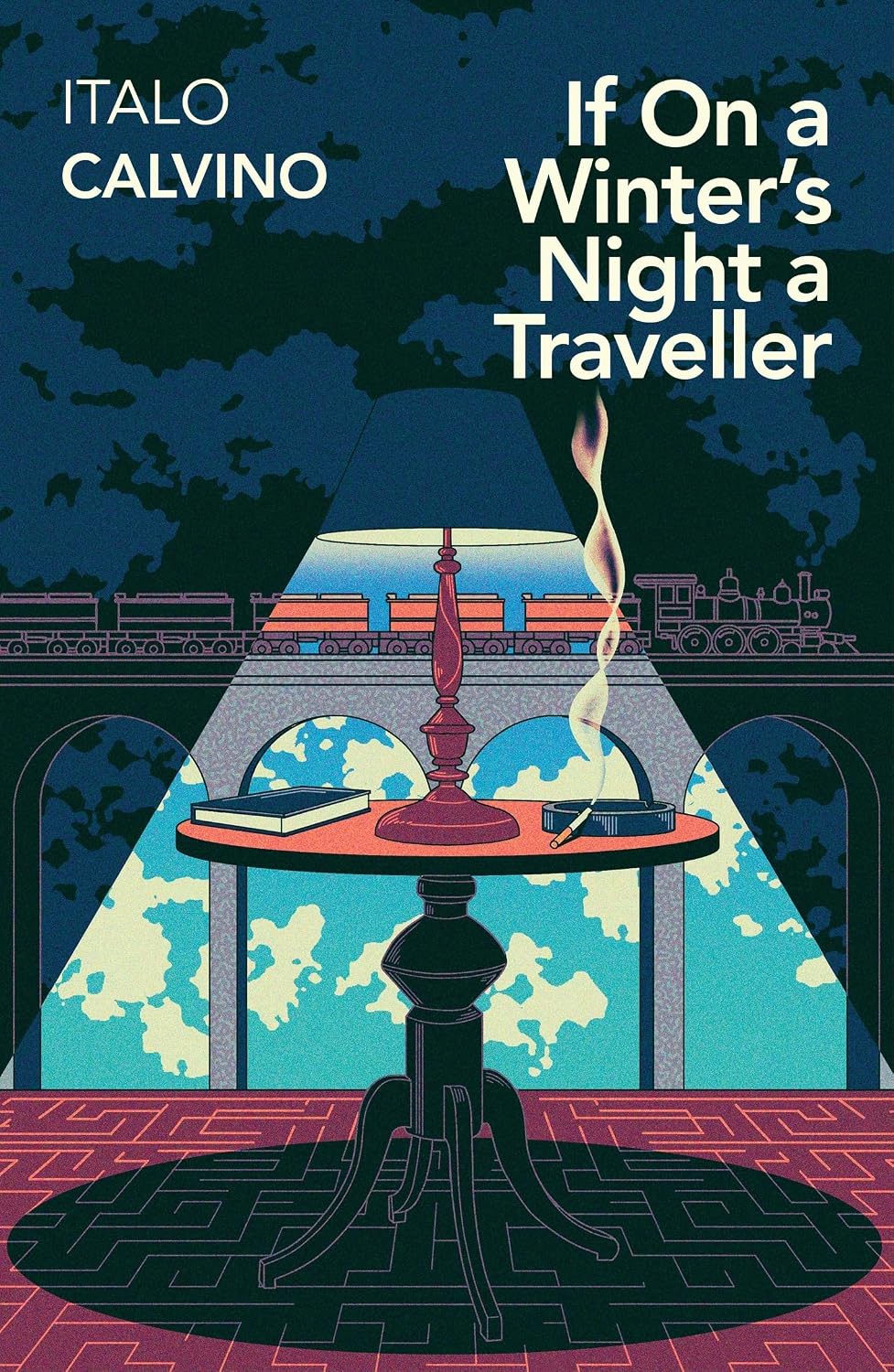
If on a Winter's Night a Traveler
If on a winter’s night a traveler is an experimental novel that places the reader at the centre of the story. It begins with a reader attempting to enjoy a new book by Italo Calvino, only to discover that the text is incomplete. As the reader searches for the missing continuation, they encounter a series of other novels, each beginning in a different literary style but ending abruptly. Along the way, the reader becomes involved with Ludmilla, another reader who shares the desire to discover how the stories conclude. Calvino turns the act of reading into an adventure, examining the relationship between authors, readers, and the books they create together. The novel explores curiosity, interpretation, and the human desire for narrative closure, playfully questioning whether a story’s meaning lies in its ending, its beginning, or the experience of reading itself.
1982
Italy