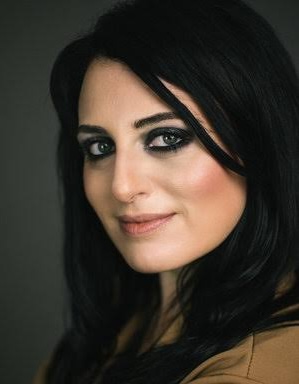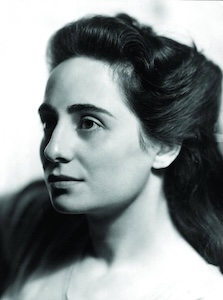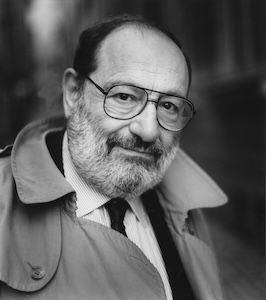
Umberto Eco
ItalyAbout
Italian novelist, semiotician, and literary critic (1932–2016) whose academic work on signs and meaning informed his fiction. His debut novel, set in a medieval monastery, became an unexpected international bestseller.
Books on TheBookRoads
1
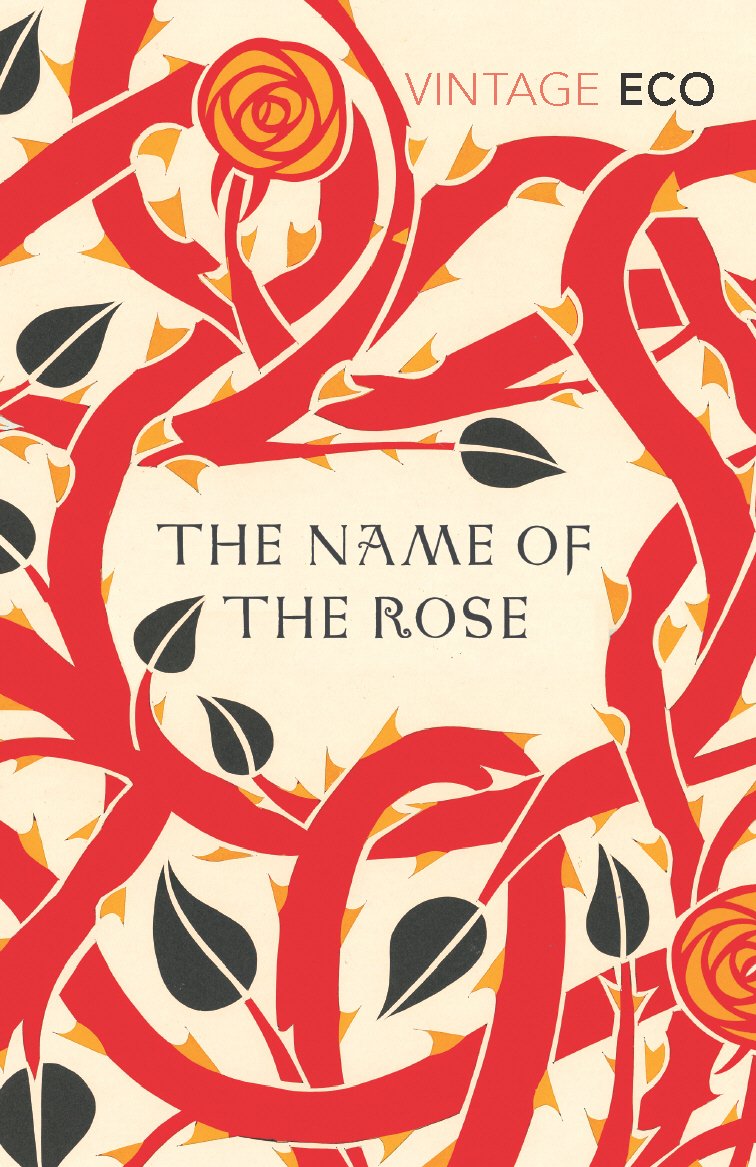
Name of the Rose
The Name of the Rose is a historical mystery set in an Italian Benedictine abbey in 1327. William of Baskerville, a Franciscan friar with a sharp analytical mind, arrives with his young assistant Adso of Melk just as a series of mysterious deaths begins to trouble the monastery. As William investigates, he discovers that the abbey’s extraordinary library contains forbidden knowledge and that disagreements over religious doctrine have created dangerous rivalries among the monks. The investigation becomes a struggle over the relationship between faith, reason, and the control of information. Eco combines medieval history, detective fiction, and philosophical debate to explore censorship, institutional authority, and the power of books. The novel asks whether knowledge can remain free when institutions fear the consequences of questioning established beliefs, revealing how the pursuit of truth can become dangerous in a world governed by rigid authority.
2023
Italy
2
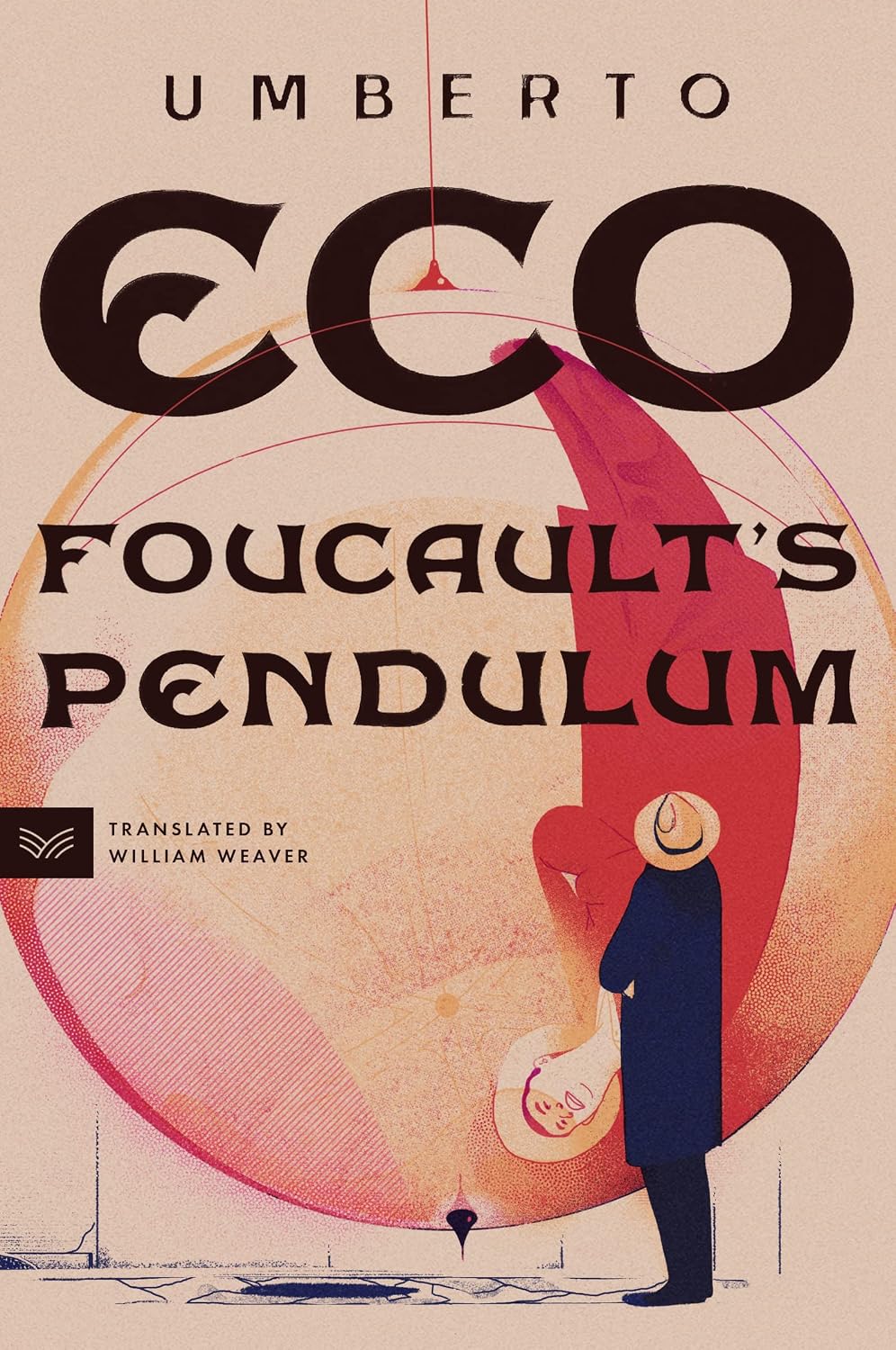
Foucault's Pendulum
Foucault’s Pendulum follows three Italian editors who work for a small publishing house specialising in obscure historical and occult manuscripts. As a private intellectual game, they begin inventing an elaborate conspiracy theory that connects secret societies, the Knights Templar, and centuries of hidden knowledge. Their fictional pattern gradually becomes more elaborate, drawing in real-world enthusiasts who believe the invented conspiracy reveals the truth about history. What begins as a playful exercise becomes increasingly dangerous as the editors lose control of the story they have created. Eco explores the human tendency to search for patterns and hidden meanings, showing how the desire to explain the world can lead people into irrational beliefs. Blending historical references, intellectual satire, and suspense, the novel examines conspiracy thinking, interpretation, and the dangers of confusing imaginative connections with evidence.
2007
Italy