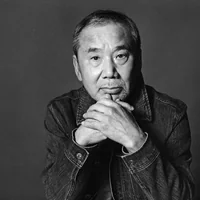
Haruki Murakami
JapanAbout
Japanese novelist and short story writer (born 1949) whose work blends the mundane and the surreal in ways that have won him a vast international readership. His fiction explores loneliness, memory, music, and the search for identity.
Books on TheBookRoads
1
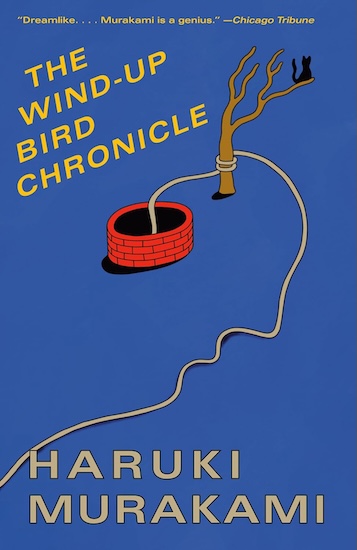
The Wind-up Bird Chronicle
The Wind-Up Bird Chronicle follows Toru Okada, an unemployed man whose ordinary life begins to unravel when his wife disappears and a series of increasingly strange events takes place in his Tokyo neighbourhood. His search leads him into encounters with enigmatic strangers, disturbing memories, and stories connected to Japan’s wartime history. As Toru investigates his wife’s disappearance, he finds himself drawn into a hidden world where dreams, violence, and psychological experience overlap. The novel gradually reveals the emotional distance within his marriage and the unresolved histories that shape the people around him. Murakami blends surrealism with historical reflection, examining alienation, power, and the difficulty of understanding one’s own life. Toru’s journey becomes an exploration of the hidden forces that influence human relationships and the fragile boundary between the familiar world and the unknown.
1994
Japan
2
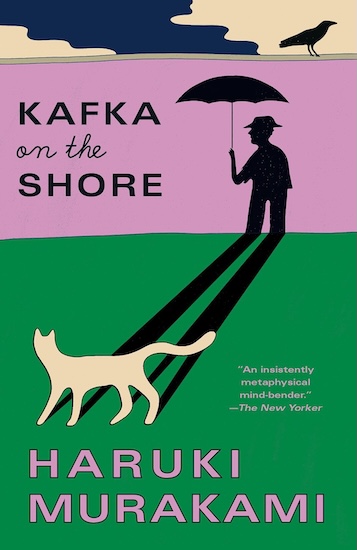
Kafka on the Shore
Kafka on the Shore weaves together the stories of Kafka Tamura, a fifteen-year-old boy who runs away from home, and Nakata, an elderly man whose unusual abilities emerged after a mysterious childhood incident. Kafka travels to a quiet library in Takamatsu, where he encounters people who help him confront questions about his family, his memories, and his destiny. Meanwhile, Nakata embarks on a journey of his own, following strange events that seem to connect him to Kafka’s life. As their stories unfold, dreams, myths, talking animals, and supernatural occurrences blur the boundaries between reality and imagination. Murakami explores fate, memory, loneliness, and the search for identity, creating a mysterious narrative in which the characters must confront aspects of themselves that resist ordinary explanation.
2002
Japan
3
Novelist As a Vocation
Novelist as a Vocation offers Haruki Murakami’s reflections on the craft of writing, the life of a novelist, and the habits that sustain a long creative career. Drawing on his own experiences, Murakami discusses how he became a writer, the importance of originality, and the discipline required to transform ideas into finished novels. He considers the relationship between imagination and reality, explaining how writers develop distinctive voices and create fictional worlds that feel convincing to readers.
Beyond practical advice, Murakami reflects on literary recognition, criticism, education, and the pressures of the publishing industry. He questions conventional ideas about literary talent and argues that persistence, curiosity, and a willingness to work consistently are essential to creative development. The book also reveals aspects of Murakami’s personal philosophy, including his commitment to routine, physical exercise, and independent thinking. Part memoir and part meditation on artistic practice, it offers insight into how a novelist builds a sustainable relationship with writing while protecting the freedom to follow an individual creative vision.
2015
United Kingdom