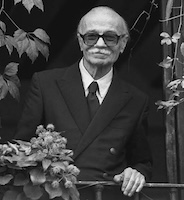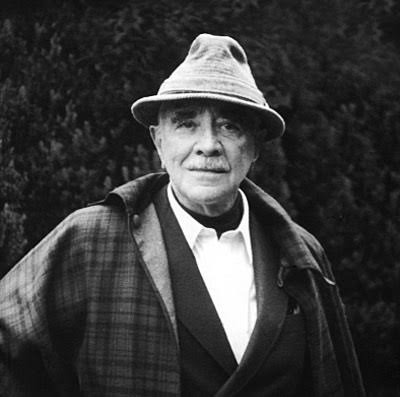
Jorge Luis Borges
ArgentinaAbout
Argentine short story writer, essayist, and poet (1899–1986) whose labyrinthine fictions explore time, infinity, mirrors, libraries, and the nature of reality. His work was foundational to postmodern literature and Latin American magical realism.
Books on TheBookRoads
1
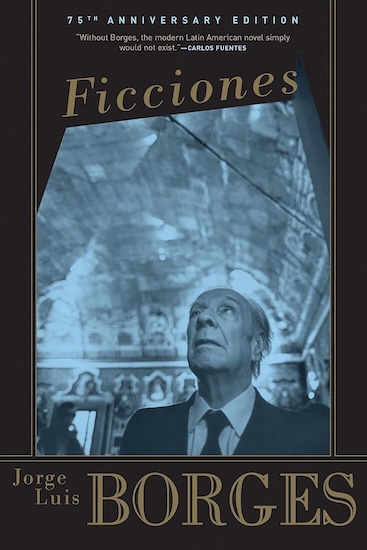
Ficciones
Ficciones is a collection of short stories that transforms philosophical questions into intricate literary puzzles. Across its imagined libraries, fictional encyclopedias, labyrinths, and mysterious texts, Borges explores the nature of reality, time, memory, and human knowledge. In stories such as “The Garden of Forking Paths” and “The Library of Babel,” ordinary concepts become extraordinary intellectual landscapes in which infinite possibilities and impossible structures challenge the reader’s understanding of the universe. Blending detective fiction, fantasy, philosophy, and literary criticism, Borges repeatedly blurs the boundaries between reality and invention. The collection invites readers to question whether the world can ever be fully understood or whether every explanation simply opens the door to another mystery.
1944
Argentina
2
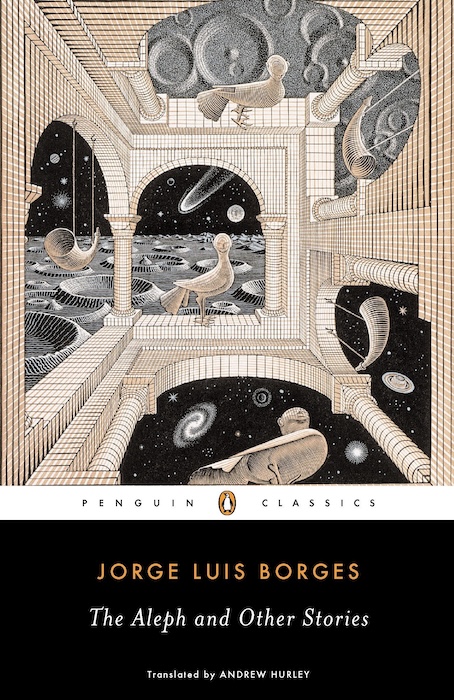
The Aleph
The Aleph is a collection of short stories that explores infinity, memory, identity, and the limits of human understanding. In the title story, a narrator discovers a point in space containing every other point in the universe, allowing him to perceive all things simultaneously without distortion or concealment. Other stories examine imaginary worlds, mysterious objects, labyrinthine histories, and the unsettling possibility that reality may be far stranger than it appears. Borges combines philosophical speculation with elements of fantasy, detective fiction, and literary scholarship, creating narratives that often feel like intellectual puzzles. His characters encounter knowledge that promises to reveal everything but frequently leaves them more uncertain than before. The collection asks whether human beings can ever comprehend the totality of existence or whether some mysteries must remain beyond the boundaries of language and reason.
1949
Argentina