Argentina

South America
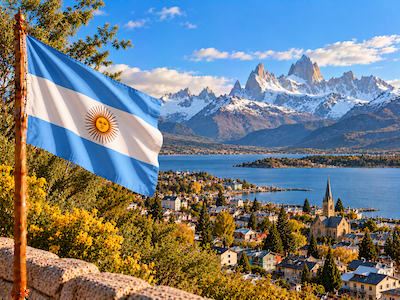
Argentina
12
books
9
authors

Books from Argentina

1
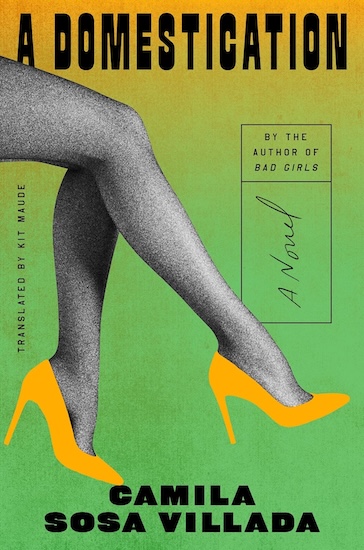
A Domestication
A Domestication
A celebrated trans actress has everything she once dreamed of: a successful career, a wealthy lawyer husband, a beautiful home, and an adopted son she fiercely loves. Yet beneath the polished surface of domestic happiness, she feels trapped between the freedom she has fought for and the expectations of conventional family life. When a visit to her rural hometown forces her to confront the prejudice and pain of her past, the life she has carefully constructed begins to fracture. Provocative, darkly funny, and emotionally raw, A Domestication explores desire, gender, class, and the uneasy price of belonging.
2027
2
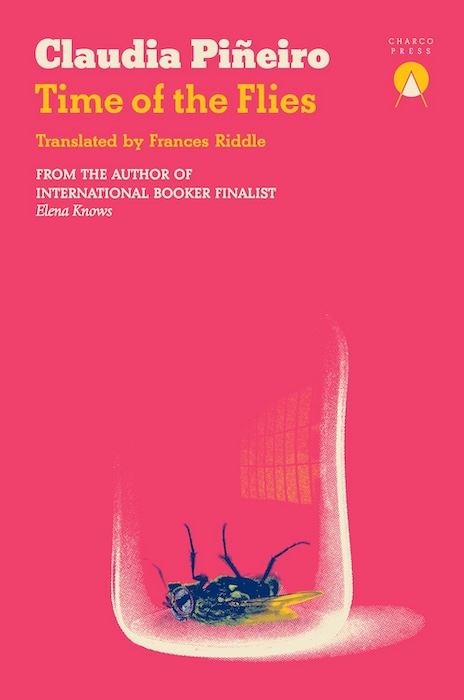
Time of the Flies
Time of the Flies
The Time of the Flies follows Inés, a woman rebuilding her life after spending fifteen years in prison for murdering her former husband’s lover. Released into a society that has changed considerably during her imprisonment, Inés struggles to understand the new social landscape, including shifting attitudes toward gender, sexuality, and women’s rights. She establishes a small fumigation business with another formerly imprisoned woman, hoping to achieve independence and leave her troubled past behind. However, an unexpected request draws her into a new mystery that threatens the fragile stability she has created. Blending crime fiction, dark humour, and social commentary, Piñeiro explores punishment, reintegration, and the difficulties women face when attempting to begin again. The novel asks whether freedom is simply the absence of prison walls or the more complicated ability to shape one’s own future.
2022
3
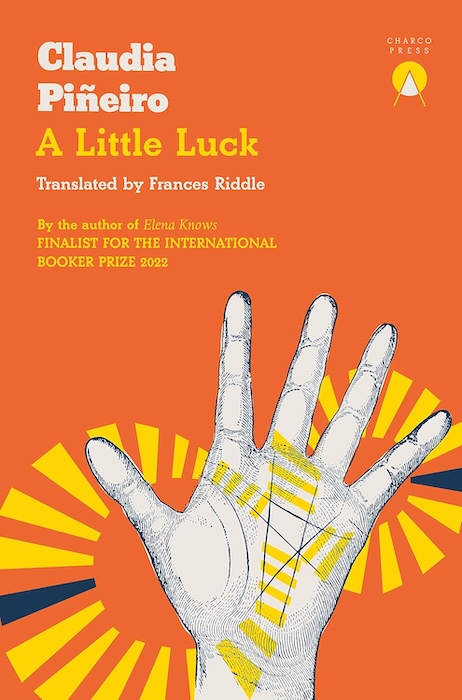
A Little Luck
A Little Luck
A Little Luck follows Mary Lohan, a woman who returns to the Buenos Aires suburb she left twenty years earlier after a traumatic accident transformed her life. She has built a new identity far from the place where the tragedy occurred, changing not only her name but also her appearance and the way she relates to the world. Returning home forces her to confront memories she has tried to suppress and people whose lives remain connected to her past. As old secrets begin to surface, Mary must reconsider the choices that shaped her life and the guilt she has carried for decades. Piñeiro explores the fragile boundary between reinvention and denial, asking whether it is possible to escape the past or whether genuine freedom requires facing the truth about oneself.
2015
4
Elena Knows
Elena Knows
Elena Knows follows Elena, an elderly woman living with Parkinson’s disease, who refuses to accept the official conclusion that her daughter Rita’s death was a suicide. Determined to discover the truth, Elena undertakes a difficult journey across Buenos Aires, relying on a promise made by a woman from her past. As her physical limitations make each step increasingly challenging, her investigation becomes a confrontation with painful memories and unresolved questions about motherhood, responsibility, and personal freedom. Piñeiro combines the structure of a crime novel with an intimate examination of women’s lives in a society shaped by religious expectations and social judgement. The story challenges assumptions about disability and autonomy while revealing how family relationships can be shaped by obligation, resentment, and love.
2007
5
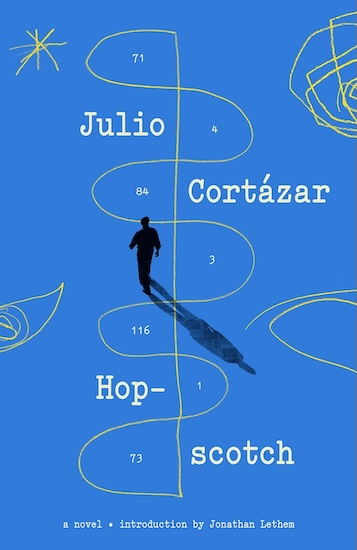
Hopscotch
Hopscotch
Hopscotch follows Horacio Oliveira, an Argentine intellectual living in Paris who struggles to find meaning in relationships, art, and everyday existence. His complicated relationship with La Maga, a young Uruguayan woman, forms the emotional centre of a novel that resists conventional storytelling. Cortázar offers readers different ways to navigate the chapters, allowing the narrative to unfold in alternative sequences and challenging the traditional relationship between author and audience. As Oliveira returns to Argentina, his search for understanding becomes increasingly entangled with alienation and uncertainty. The novel explores the limitations of rational thought, the instability of identity, and the desire to discover a deeper reality beneath ordinary experience. Its experimental structure reflects a central question: whether a different way of reading might lead to a different way of living.
1963

Famous authors from Argentina

About Argentina

Argentina is a South American nation known for its European-influenced culture, the vast Pampas grasslands, and the cosmopolitan energy of Buenos Aires. Its literary tradition is among the most sophisticated in the Spanish-speaking world.

Region
South America
Literary Context

Argentine literature is characterized by intellectual playfulness and metaphysical depth. Borges created entire worlds within short stories — labyrinths, infinite libraries, circular time — while Cortázar experimented with narrative form itself. Buenos Aires, with its bookshops and cafés, remains one of the world's great literary cities.


South America