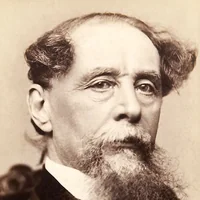
Charles Dickens
United KingdomAbout
English novelist (1812–1870) and social critic who created some of literature's most iconic characters. His serialised novels exposed Victorian poverty, the legal system, and social hypocrisy to a mass readership.
Books on TheBookRoads
1
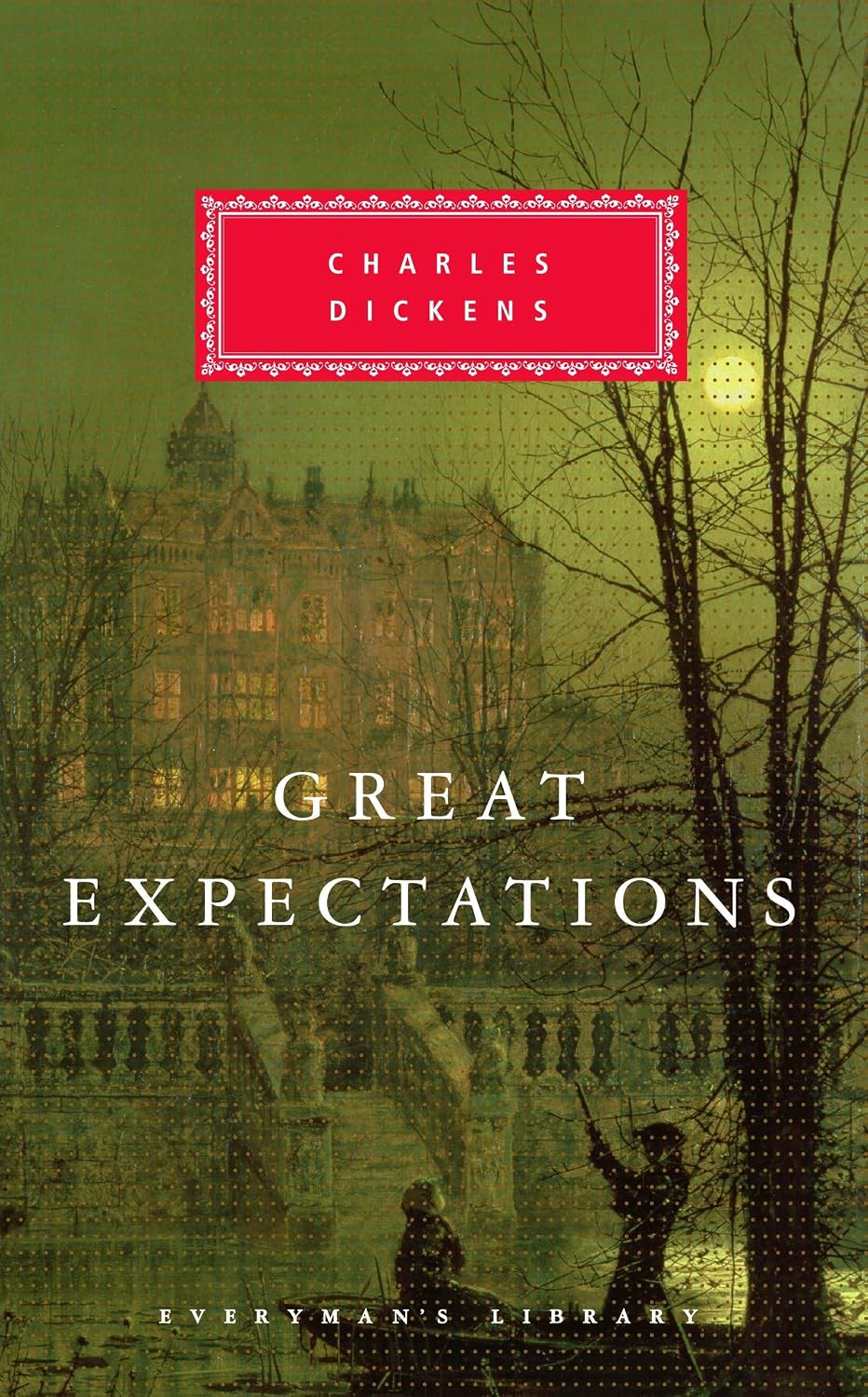
Great Expectations
Great Expectations follows Pip, an orphan raised by his harsh older sister and her kind husband, Joe Gargery. After encountering an escaped convict and becoming acquainted with the wealthy but eccentric Miss Havisham, Pip begins to dream of rising above his humble origins. When he unexpectedly receives money from an anonymous benefactor, he moves to London to become a gentleman, believing that wealth and social status will bring him happiness and the love of Estella, Miss Havisham’s beautiful but emotionally distant ward. As Pip discovers the truth about his fortune, he must confront his own pride and the assumptions he has made about class and respectability. Dickens explores ambition, guilt, loyalty, and moral growth, revealing that genuine worth depends less on social position than on kindness and integrity.
1861
United Kingdom
2
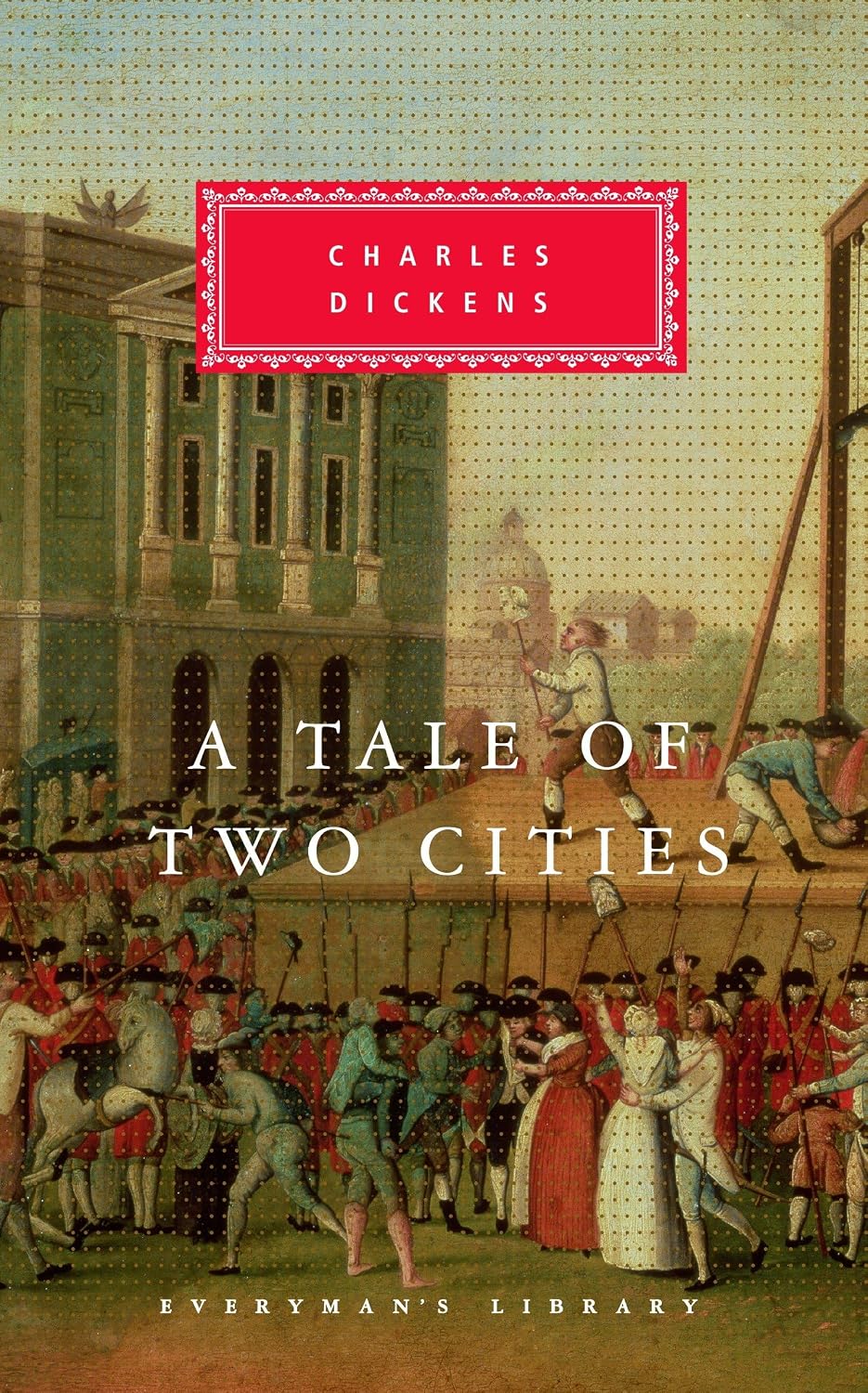
A Tale of Two Cities
A Tale of Two Cities unfolds in London and Paris during the years leading up to and throughout the French Revolution. The story follows Charles Darnay, a French aristocrat who rejects his family’s oppressive traditions, and Sydney Carton, a disillusioned English lawyer whose life appears to lack purpose. Both men love Lucie Manette, whose father has been released after years of imprisonment in the Bastille. As revolutionary violence spreads across France, Darnay’s aristocratic origins place him in danger despite his rejection of inherited privilege. Carton eventually faces a choice that transforms his life and gives the novel its powerful conclusion. Dickens examines injustice, class resentment, political extremism, and the possibility of personal redemption. The novel portrays how cruelty can generate further violence while suggesting that courage and self-sacrifice can preserve humanity in times of upheaval.
1859
United Kingdom
3
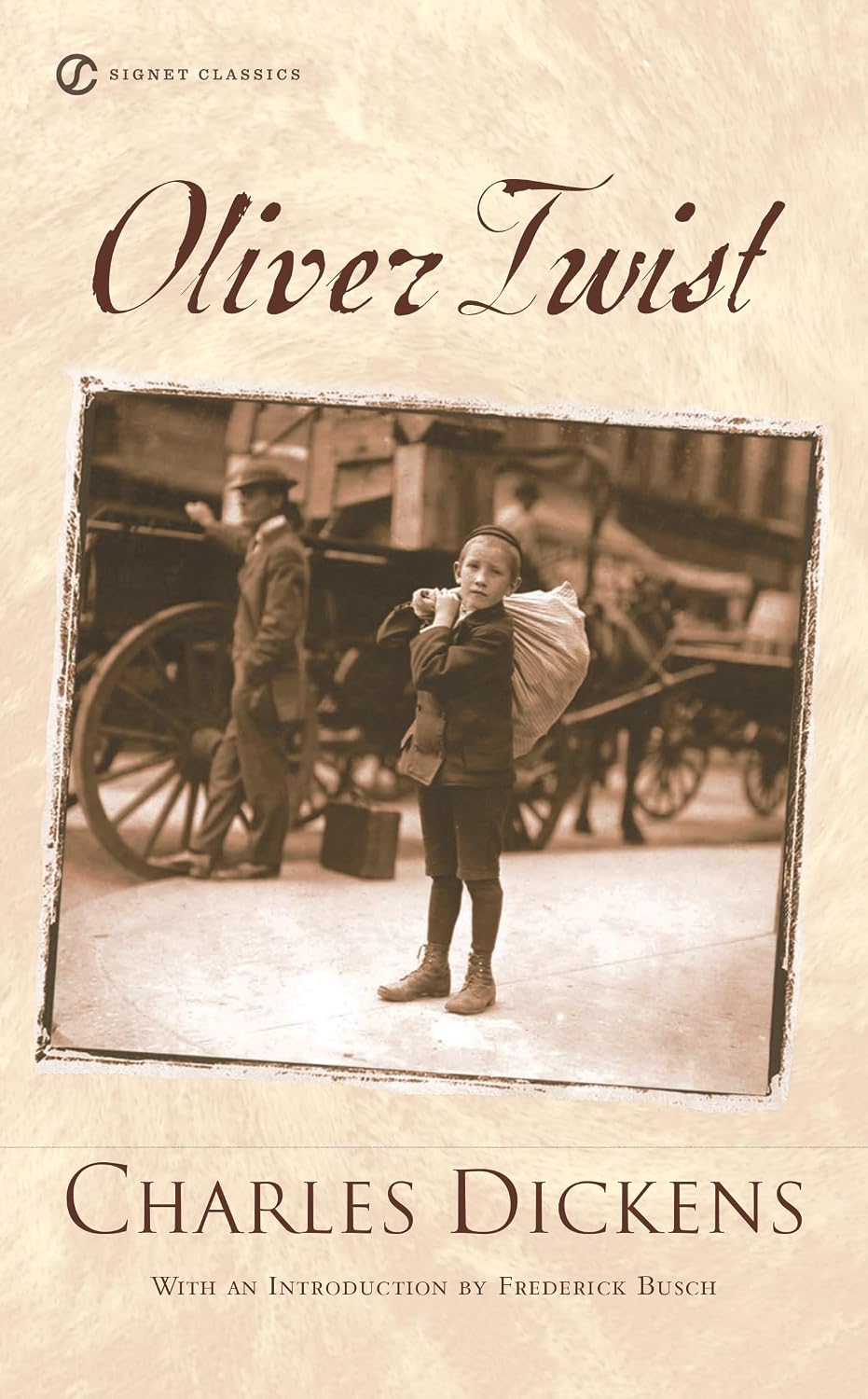
Oliver Twist: Or the Parish Boy's Progress
Oliver Twist follows an orphaned boy who grows up in the brutal conditions of a Victorian workhouse. After asking for more food, Oliver is punished and eventually sent away to work, but he escapes to London in search of a better life. There he falls into the company of a group of young thieves controlled by the criminal Fagin. Although Oliver is repeatedly exposed to exploitation and violence, he retains his kindness and honesty. His circumstances eventually bring him into contact with people who recognise his innocence and attempt to protect him. Dickens exposes the cruelty of institutions that punish poverty rather than alleviate it, highlighting the vulnerability of children in a society marked by inequality. The novel explores justice, compassion, and the possibility of moral goodness surviving even in deeply corrupt environments.
1838
United Kingdom