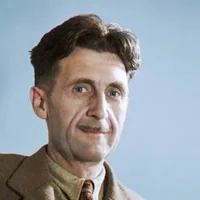
George Orwell
United KingdomAbout
English novelist and essayist (1903–1950) known for his sharp political commentary and lucid prose. His experiences in the Spanish Civil War and as a colonial police officer in Burma deeply shaped his democratic socialist politics.
Books on TheBookRoads
1
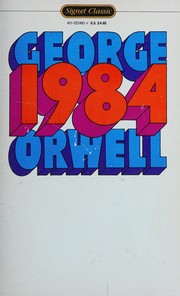
1984
Nineteen Eighty-Four follows Winston Smith, a low-ranking employee in a totalitarian state where the ruling Party controls information, language, and private life. Living under the constant surveillance of Big Brother, Winston secretly questions the official version of history and begins keeping a forbidden diary. His relationship with Julia offers a brief experience of intimacy and rebellion, but their defiance attracts the attention of the authorities. As Winston is subjected to psychological manipulation and brutal interrogation, the Party attempts not only to control his actions but also to reshape his understanding of reality. Orwell explores propaganda, censorship, surveillance, and the destruction of individual autonomy. The novel warns that political power becomes especially dangerous when it can dictate what people are permitted to remember, believe, and say.
1949
United Kingdom
2
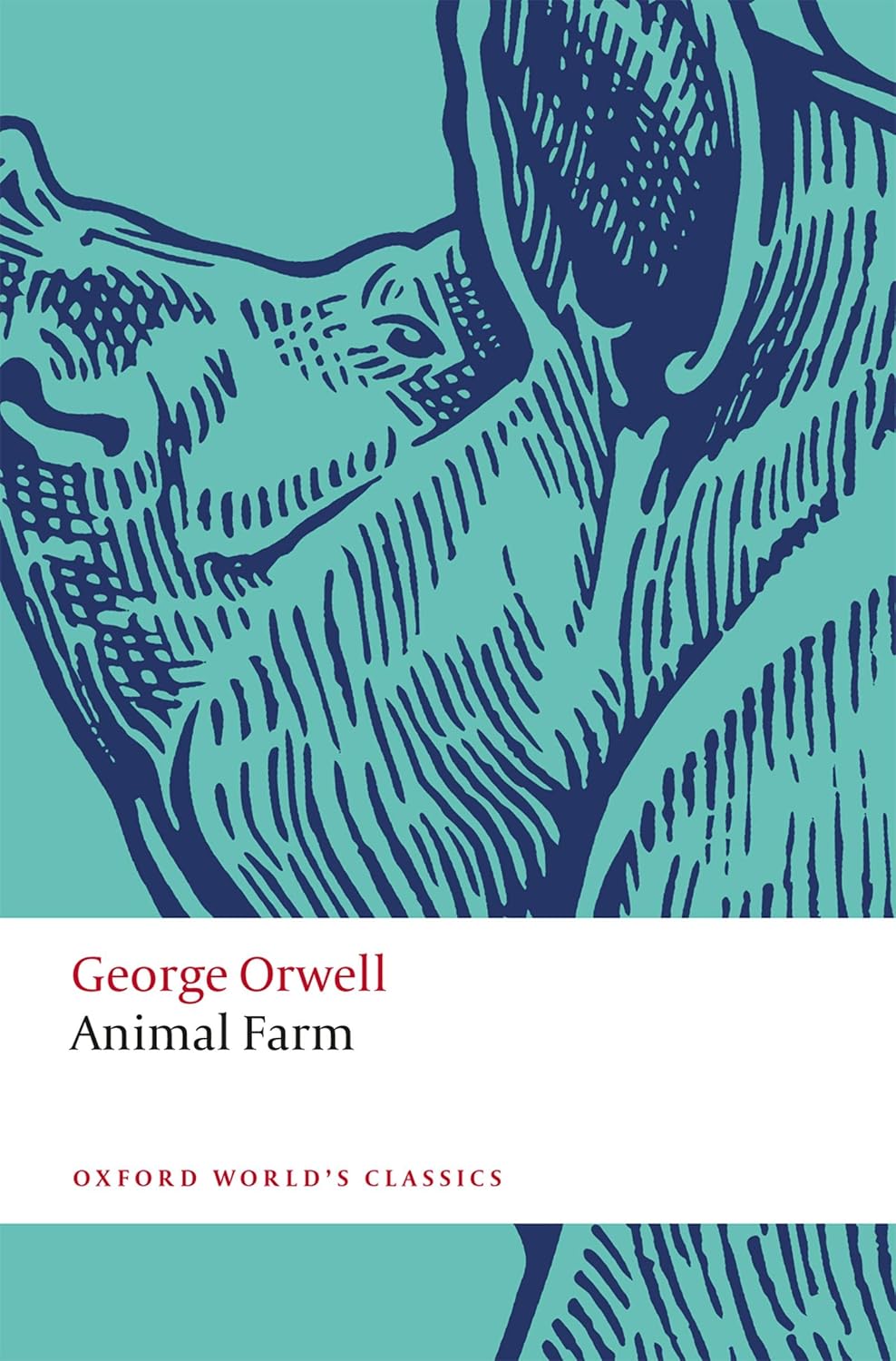
Animal Farm
Animal Farm is a political allegory about a group of farm animals who rebel against their human owner, hoping to establish a society based on equality and shared labour. Initially inspired by the promise of freedom, the animals create their own system of government under the leadership of the pigs. However, Napoleon gradually consolidates power, using propaganda, intimidation, and manipulated rules to suppress opposition. As the pigs adopt the privileges once enjoyed by humans, the original ideals of the revolution are abandoned. Through the animals’ experiences, Orwell examines how political movements can be corrupted by authoritarian ambition and how language can be used to justify inequality. The novella critiques the betrayal of revolutionary ideals, demonstrating how societies seeking liberation can reproduce the very systems of oppression they originally opposed.
1945
United Kingdom