
Jane Austen
United KingdomAbout
English novelist (1775–1817) whose six major novels critique and celebrate the social manners of the landed gentry in early 19th-century England. Her narrative irony and psychological insight remain widely studied and beloved worldwide.
Books on TheBookRoads
1
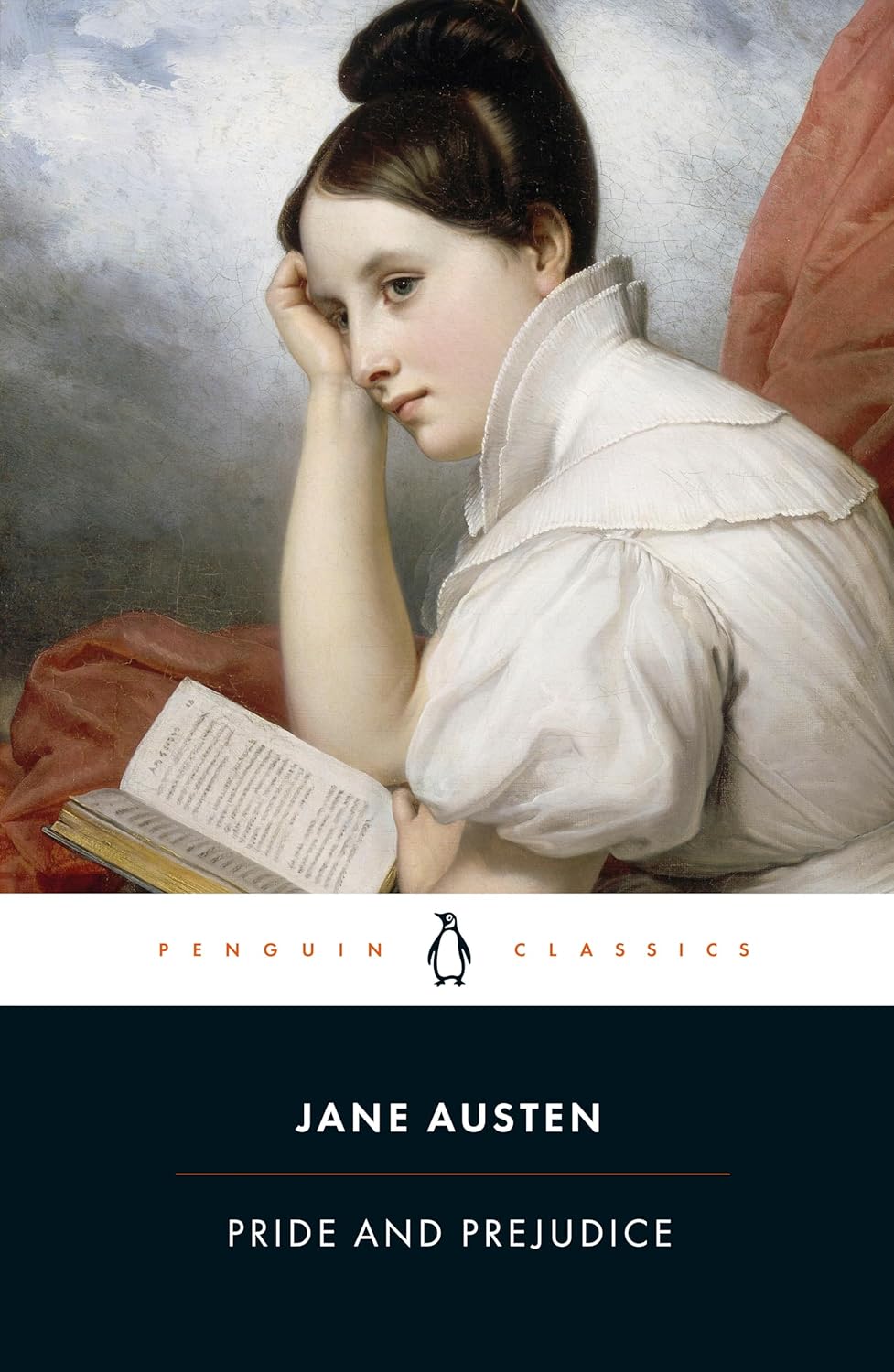
Pride and Prejudice
Pride and Prejudice follows Elizabeth Bennet, an intelligent and independent young woman navigating love and social expectations in Regency England. When the wealthy and reserved Mr Darcy enters her social circle, Elizabeth forms a negative impression of him, while Darcy initially struggles to look beyond her family’s lower social standing. Their relationship develops through misunderstandings, wounded pride, and gradual self-discovery. Meanwhile, Elizabeth’s sisters face the financial and social pressures associated with marriage in a society where women have limited opportunities for economic independence. Through wit and sharp observation, Austen critiques class prejudice, superficial judgments, and the belief that wealth guarantees moral worth. The novel explores the importance of self-awareness and mutual respect, suggesting that lasting relationships require people to question their assumptions and recognise their own shortcomings.
1813
United Kingdom
2
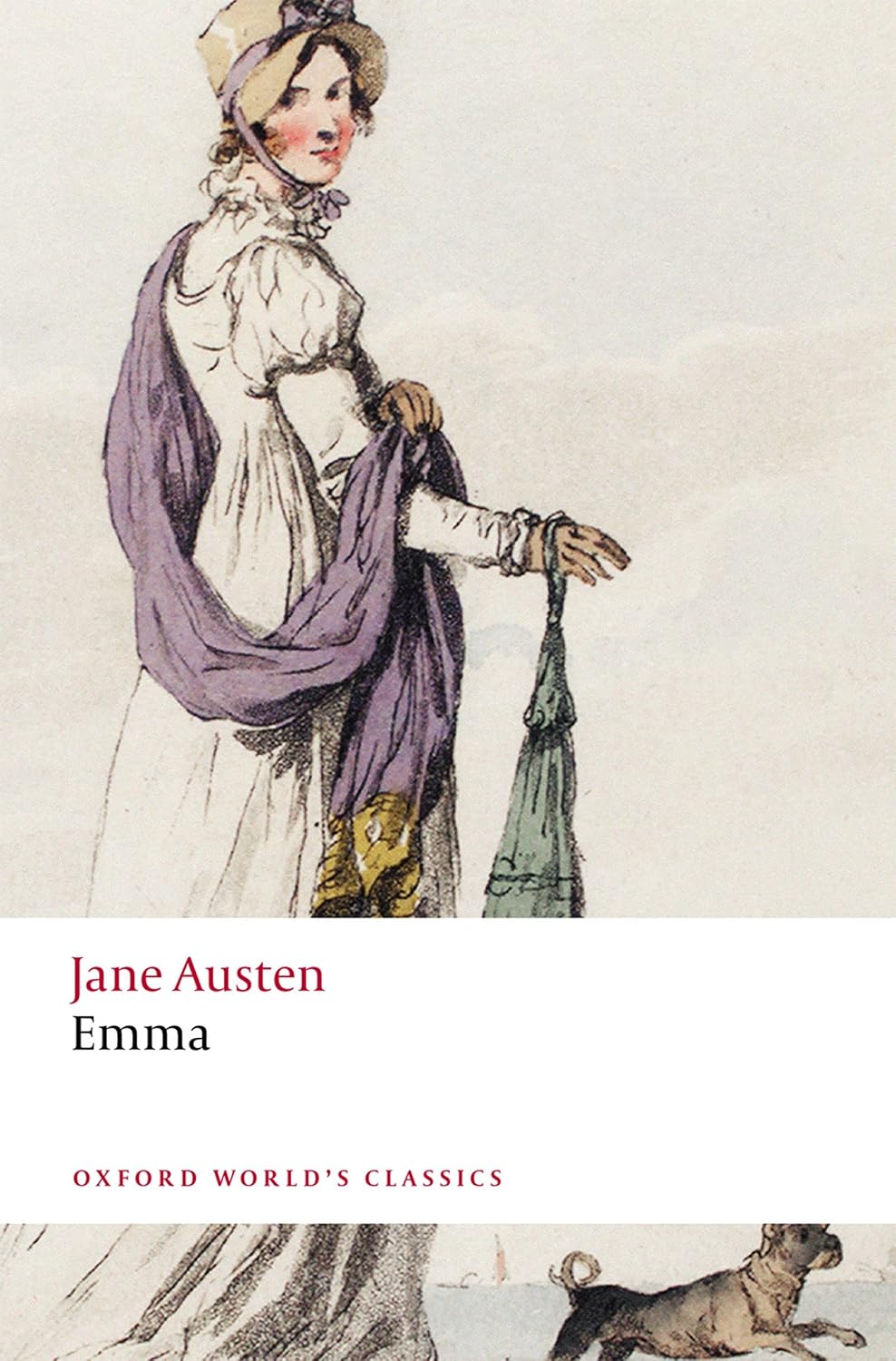
Emma
Emma centres on Emma Woodhouse, a wealthy young woman who believes herself exceptionally skilled at understanding other people’s romantic feelings. Having decided that she will never marry, Emma occupies herself by arranging relationships among her friends and neighbours. However, her confidence repeatedly leads her to misinterpret people’s intentions, creating misunderstandings and emotional complications. As her attempts at matchmaking affect those around her, Emma gradually recognises her own prejudices and the limitations of her judgment. Her relationship with the perceptive Mr Knightley becomes central to this process of self-discovery. Austen combines humour with social observation to examine class distinctions, female independence, and the difficulties of understanding others. The novel explores how maturity requires humility, empathy, and the willingness to reconsider one’s assumptions about love and human behaviour.
1815
United Kingdom