Jennifer Nansubuga Makumbi

Jennifer Nansubuga Makumbi

Uganda

About

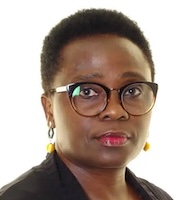
Jennifer Nansubuga Makumbi, a Ugandan novelist and short story writer, has a PhD from Lancaster University. She is a lecturer in Creative Writing at Lancaster University and lives in Manchester with her husband Damian and son Jordan. Her first novel, Kintu, won the Kwani Manuscript Prize in 2013 and was longlisted for the 2014 Etisalat Prize for Literature. Her story Let's Tell This Story Properly won the 2014 Commonwealth Short Story Prize. In 2018 she was awarded a Windham-Campbell Prize in the fiction category. In 2021, her novel The First Woman won the Jhalak Prize. Makumbi's writing is largely based on oral traditions. She realised that oral traditions were so broad and would be able to frame all her writing regardless of subject, form or genre. She has said she "noticed that using oral forms which were normally perceived as trite and 'tired' brought, ironically, a certain depth to a piece that I could not explain."

Books on TheBookRoads
1
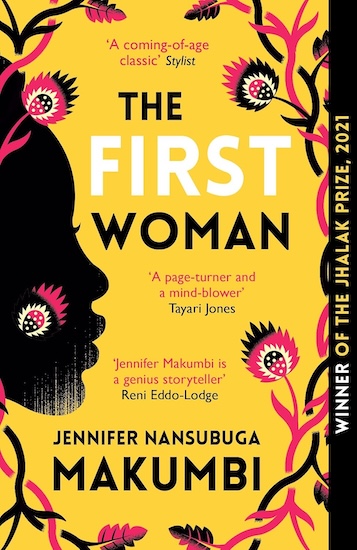
The First Woman
The First Woman
Set in Uganda in the 1970s, during the dictatorship of Idi Amin, The First Woman follows Kirabo, a curious and strong-willed twelve-year-old girl growing up in the rural village of Nattetta. Raised by her grandparents and surrounded by a large extended family, Kirabo enjoys a relatively comfortable childhood, yet she is troubled by one unanswered question: who is her mother, and why did she leave? As she enters adolescence, she also begins to sense a rebellious side of herself that conflicts with the obedient girl her family expects her to be. Determined to uncover the truth about her origins, Kirabo seeks the help of Nsuuta, an older woman regarded by the village as a witch. Through their conversations, Nsuuta introduces her to Baganda folklore and the legend of the “first woman”—an original, independent female spirit that exists before society imposes its restrictions on women. These stories challenge Kirabo’s understanding of femininity and encourage her to question the traditions that govern her life. Blending Ugandan mythology, family secrets, and the realities of life under political dictatorship, Makumbi explores motherhood, female sexuality, cultural identity, and the expectations imposed on women across generations. Kirabo’s journey becomes a powerful coming-of-age story about discovering who she is beyond the roles assigned to her. The novel celebrates women’s resilience, ancestral knowledge, and the possibility of redefining traditions to create a more liberated future.
2020 Uganda
2
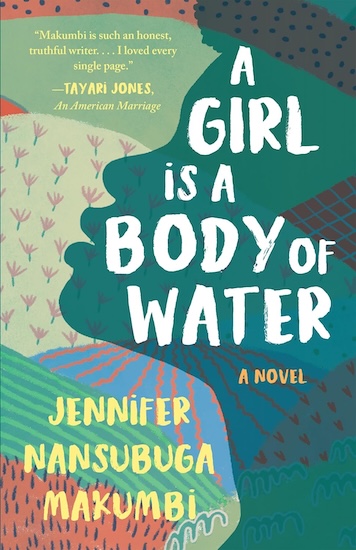
A Girl Is a Body of Water
Set in Uganda during the 1970s, under the rule of Idi Amin, A Girl Is a Body of Water follows Kirabo, a curious and independent twelve-year-old girl growing up in the rural village of Nattetta. Raised by her grandparents and surrounded by a large extended family, she has a comfortable childhood, yet one question haunts her: who is her mother? Although her father occasionally visits from Kampala, nobody in the family is willing to speak openly about the woman who gave birth to her. Determined to uncover the truth, Kirabo turns to Nsuuta, an older woman whom the village regards as a witch. Through their conversations, Nsuuta introduces her to the stories and spiritual traditions of the Baganda people, helping her understand her own rebellious nature. She teaches Kirabo about the idea of the “first woman”—a powerful, independent female state that existed before society imposed restrictions on women’s freedom. As Kirabo grows older, she must reconcile this sense of inner strength with the expectations placed on girls by family, tradition, and community. Blending Ugandan folklore, mythology, and the experiences of women across generations, Makumbi explores motherhood, female identity, and the ways patriarchal traditions shape women’s lives. Against the backdrop of a country experiencing political turmoil, Kirabo’s personal journey becomes a broader exploration of how women preserve their voices and independence in a society that often seeks to silence them. The novel celebrates the power of storytelling, ancestral knowledge, and female solidarity in shaping a different future.
2020 Uganda