Uganda
Africa
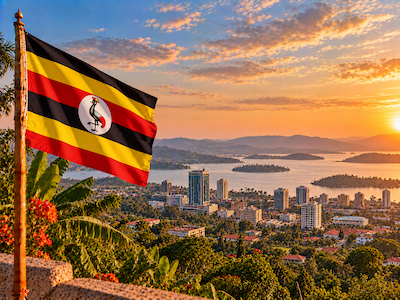
Uganda is a landlocked country in East Africa, often called the “Pearl of Africa” for its extraordinary natural diversity. Its landscapes include tropical forests, rolling green hills, fertile farmland, vast savannas, and the shores of Lake Victoria, one of the world’s largest freshwater lakes. The country is also home to part of Lake Albert, the snow-capped Rwenzori Mountains, and national parks known for their wildlife, including mountain gorillas. Kampala, the capital, is a lively city built across several hills, where traditional markets, modern neighborhoods, and historic cultural sites reflect Uganda’s changing identity. The country is home to numerous ethnic communities and languages, with English and Swahili serving as official languages and Luganda widely spoken in the central region.
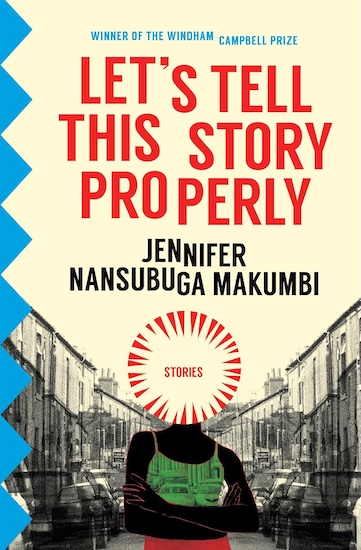
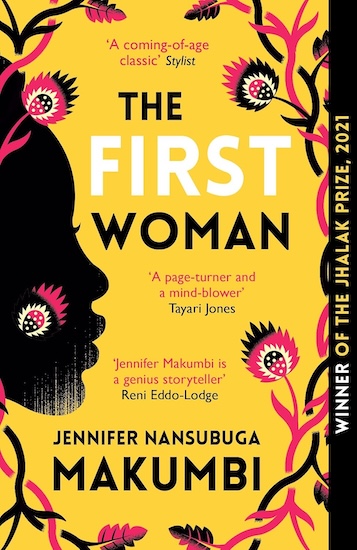
Ugandan literature draws on rich oral traditions, including folktales, proverbs, praise poetry, songs, and heroic narratives passed down through generations. These traditions reflect the histories and cultural values of communities such as the Baganda, Acholi, Banyankole, and Basoga. Modern Ugandan writing has developed through English and local languages, exploring colonialism, independence, political violence, social inequality, gender, and the complexities of contemporary African life. Among Uganda’s influential writers is Okot p’Bitek, whose celebrated long poem Song of Lawino presents a powerful debate about cultural identity, colonial influence, and the tensions between traditional values and Western modernity. Jennifer Nansubuga Makumbi, author of Kintu, reimagines Ugandan history and folklore through a multigenerational family saga that draws on Ganda mythology and storytelling. Moses Isegawa, known for Abyssinian Chronicles, explores Uganda’s political upheavals and the impact of dictatorship on ordinary lives. Doreen Baingana, whose collection Tropical Fish portrays the experiences of three Ugandan sisters, examines family, gender, migration, and the search for independence. Bate Besong and other writers from the wider East African literary scene have also contributed to regional conversations about identity and social change. Together, these voices reveal a literary tradition that connects oral heritage with contemporary questions of history, belonging, and transformation.