Vladimir Lorchenkov
MoldovaAbout
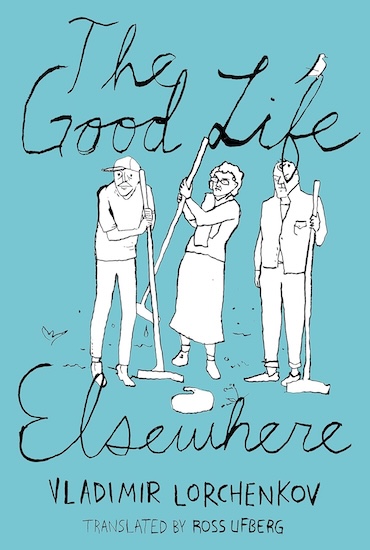
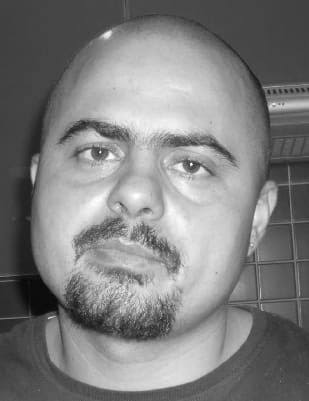
Vladimir Lorchenkov (born in 1979) is a Moldovan writer and journalist who writes primarily in Russian. Born in Chișinău, the capital of Moldova, he spent much of his childhood travelling across the former Soviet Union and other socialist countries because of his father’s military career. These experiences exposed him to the cultural and political diversity of the Soviet world and later informed his literary interest in identity, social change, and life in post-Soviet societies. After returning to Moldova, Lorchenkov studied journalism and spent approximately ten years covering crime for a local newspaper. His journalistic work gave him insight into the social problems and contradictions of everyday life, which became recurring subjects in his fiction. His writing is characterised by dark humour, grotesque situations, and an absurdist approach to serious political and social issues. Lorchenkov received the Russian Debut Prize in 2003 and the Russia Prize in 2008. His work has been translated into several languages, including English, German, Italian, and Norwegian. His best-known novel, The Good Life Elsewhere, was originally published in Russian in 2008 under the title Все там будем. The English translation by Ross Ufberg appeared in 2014 and introduced international readers to Lorchenkov’s satirical portrayal of Moldovan society and the desire to emigrate to Western Europe. Through his combination of comedy and social criticism, Lorchenkov explores the distance between the promise of a better life elsewhere and the realities people face in trying to reach it.