Moldova
Europe
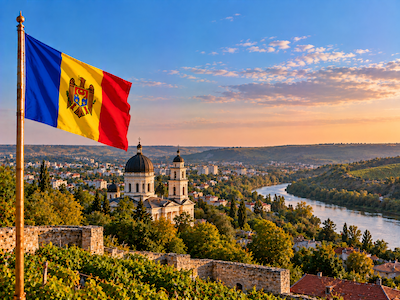
Moldova is a landlocked country in Eastern Europe, situated between Romania and Ukraine. Its landscape is characterized by rolling hills, fertile plains, forests, rivers, and extensive vineyards, with the Dniester River forming an important natural feature. Chișinău is the cultural and literary center, while monasteries, village traditions, and wine-growing regions remain important parts of the country’s cultural identity.
Moldovan literary culture has strong roots in Romanian-language folklore, ballads, legends, proverbs, and oral storytelling, alongside traditions influenced by Slavic and wider Eastern European cultures. Poetry has played a particularly important role in expressing national identity, nature, rural life, and historical memory. Major literary figures include Grigore Vieru, known for his lyrical poetry about language, homeland, childhood, and identity, Ion Druță, whose fiction often portrays rural Moldovan life and social change, and Nicolae Dabija, a prominent poet and writer concerned with language, history, and cultural identity. Contemporary Moldovan literature continues to explore migration, family, memory, rural and urban life, language, identity, and the experience of living between Romanian and Eastern European cultural worlds.