Nora Ikstena
LatviaAbout
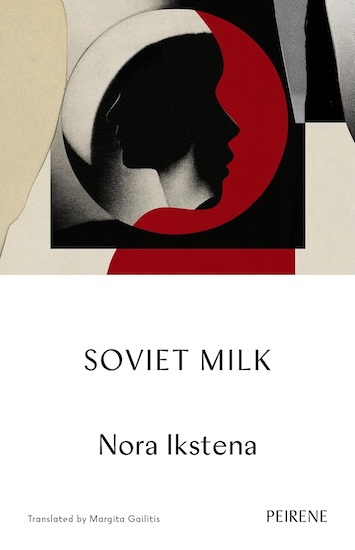
Nora Ikstena (1969–2026) was one of Latvia’s most celebrated contemporary writers, known for her lyrical prose, psychological depth, and exploration of family relationships, historical memory, and the human experience. Born in Riga, Latvia, on 15 October 1969, she became an influential figure in Latvian literature, helping introduce the country’s literary traditions to international audiences. She died on 4 January 2026, aged 56. Ikstena studied Latvian language and literature at the University of Latvia, graduating in 1992, before continuing her studies in English literature at the University of Missouri. She began her literary career writing literary criticism and biographies before establishing herself as a novelist and essayist. Alongside her writing, she worked as an editor and played an important role in Latvia’s cultural life, helping establish literary initiatives and co-founding the International Writers’ and Translators’ House in Ventspils. Her writing often examines the connections between private lives and wider historical forces, with particular attention to women’s experiences, emotional inheritance, and the impact of political change on families. Her best-known novel, Soviet Milk (Mātes piens, 2015), follows three generations of women living under Soviet rule and explores the relationship between motherhood, personal freedom, and political oppression. Translated into more than 25 languages, the novel brought her work to a broad international readership. Ikstena received numerous honours during her career, including the Baltic Assembly Prize for Literature in 2006 and Latvia’s Excellence Award in Culture in 2018, recognising her international contribution to Latvian literature. Through her fiction, essays, and cultural work, she helped bring Latvian history and identity to readers around the world, leaving a lasting legacy in contemporary European literature.