Women & Society
All countries
Afghanistan
Bangladesh
Barbados
China
Egypt
El Salvador
India
Iraq
Ireland
Jordan
Lebanon
Nigeria
Pakistan
Palestine
Saudi Arabia
Singapore
Sweden
Tanzania
Türkiye
Uganda
United Arab Emirates
United Kingdom
United States
1
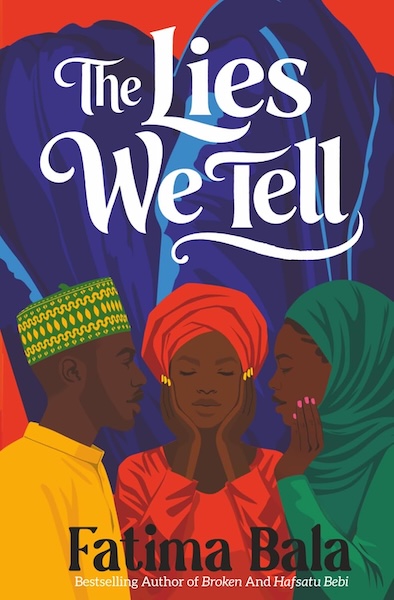
The Lies We Tell
Set across Northern Nigeria, The Lies We Tell is a collection of short stories exploring the private lives of Hausa women and the secrets, compromises, and unspoken truths that shape their relationships. From the dye pits of Zaria to the rooftops of Abuja, Fatima Bala portrays women navigating family expectations, love, marriage, and the complicated demands of tradition. Grandmothers whisper to unseen spirits, young women confront the limits imposed on their ambitions, and families preserve fragile bonds through silences that can protect as easily as they can wound.
Blending wit, tenderness, grief, and elements of the supernatural, these stories reveal the hidden negotiations behind everyday life. Bala examines how women inherit expectations across generations, how affection can become a form of power, and how the truths people conceal sometimes sustain the very relationships they threaten to destroy. The Lies We Tell offers an intimate portrait of contemporary Northern Nigerian life, giving voice to women whose experiences are often kept behind closed doors.
Nigeria
2026
2
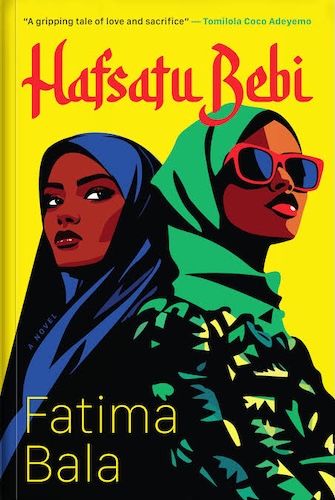
Hafsatu Bebi
Twenty-two-year-old Hafsatu Gaya seems to have everything in place: a promising career running a fashion label in Abuja, a loving family, and a relationship with one of the city’s most eligible bachelors. But when an impulsive decision brings long-buried family secrets to the surface, Hafsatu’s carefully constructed world begins to unravel. She must confront painful truths about her family’s past and question how well she really knows the people closest to her.
Running alongside Hafsatu’s story is the heartbreaking love story of Zuwaira, an orphan whose hopes for a better life are repeatedly thwarted by social expectations and circumstances beyond her control. Although the two women belong to different generations and occupy very different positions in society, their lives are connected by secrets that will eventually reshape both their futures. Set in Northern Nigeria, Hafsatu Bebi explores love, betrayal, faith, family obligations, and the tension between personal choice and destiny. It asks whether people can truly understand themselves when so much of their identity has been built on truths others have chosen to conceal.
Nigeria
2023
3
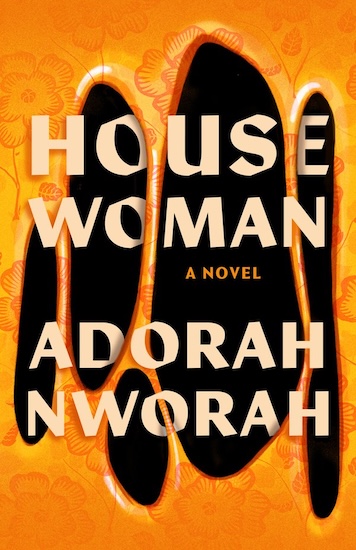
House Woman
When Ikemefuna, a young Nigerian dancer, boards a plane from Lagos to Texas, she imagines a new life filled with opportunity, freedom, and the promise of a happy marriage. Instead, she finds herself trapped in the home of her new husband’s parents, where her movements are controlled, her independence stripped away, and the pressure to produce a male heir grows increasingly intense.
Her husband, Nna, initially struggles to reconcile his self-proclaimed feminist beliefs with his family’s expectations. As secrets emerge and the household becomes increasingly suffocating, the boundaries between victim and perpetrator, tradition and cruelty, begin to blur. Ikemefuna’s apparent obedience conceals something far more complicated, and the family’s carefully maintained facade begins to unravel.
Blending domestic thriller, psychological horror, and Nigerian diasporic fiction, House Woman explores patriarchal power, forced marriage, intergenerational trauma, and the devastating consequences of silencing women. It also questions whether moving to another country necessarily brings freedom when oppressive social structures travel with you.
Nigeria
United States
2023
4
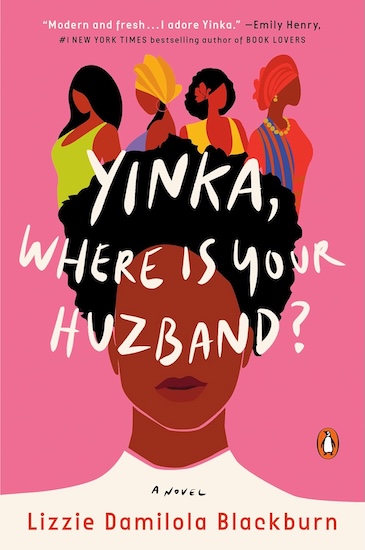
Yinka, Where Is Your Huzband?
Yinka Oladeji is a thirty-one-year-old, Oxford-educated British Nigerian woman with a good job, close friends, and a loving—but rather intrusive—family. There is just one thing everyone seems to think is missing from her life: a husband. Her Nigerian mother and aunties constantly question her relationship status, while her friends believe she needs to move on from her ex and reconsider her traditional views on love.
Although Yinka has always believed that love will arrive when the time is right, her cousin Rachel’s engagement prompts her to take matters into her own hands. Determined to find a date for Rachel’s wedding, she launches Operation Find a Date, complete with spreadsheets, carefully calculated strategies, and the help of her best friend. But as she navigates the dating scene, Yinka begins to question whether changing herself to meet other people’s expectations will really bring her happiness.
Through Yinka’s romantic misadventures, Blackburn explores the pressures placed on unmarried women, the complexities of navigating British and Nigerian cultural expectations, and the influence of colourism on self-esteem and relationships. With humour and warmth, the novel examines the tension between family loyalty and personal independence, ultimately asking whether finding love begins with finding someone else—or learning to accept yourself.
Nigeria
2022
5
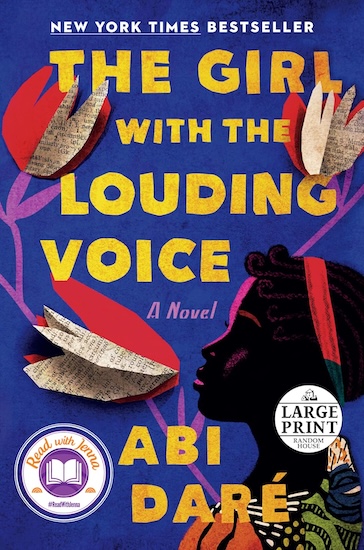
The Girl with the Louding Voice
Fourteen-year-old Adunni dreams of receiving an education, becoming a teacher, and giving her family a better life. Growing up in a poor rural village in Nigeria, she believes that education will give her the power to speak for herself and choose her own future. Her mother calls this her louding voice—the ability to make herself heard in a world that expects girls to remain silent.
When Adunni’s father marries her off to a much older man in exchange for a bride price, her dreams of going to school are shattered. After a devastating tragedy, she escapes to Lagos, hoping to find freedom and a new beginning. Instead, she becomes a domestic servant in the household of a wealthy, controlling woman known as Big Madam. There, Adunni encounters exploitation, abuse, and the harsh realities faced by girls whose poverty leaves them vulnerable to others’ power.
Despite repeated setbacks, Adunni refuses to abandon her ambition. As she uncovers the truth about another young domestic worker who disappeared before her arrival, she begins to understand that finding her voice means more than fighting for herself—it also means speaking up for girls whose suffering has been ignored.
Told in Adunni’s distinctive, expressive voice, the novel combines humour, heartbreak, and hope to examine child marriage, gender inequality, poverty, and the transformative power of education. It is a moving story about a young woman’s determination to reclaim her future and challenge the social structures that seek to silence her.
Nigeria
2020
6
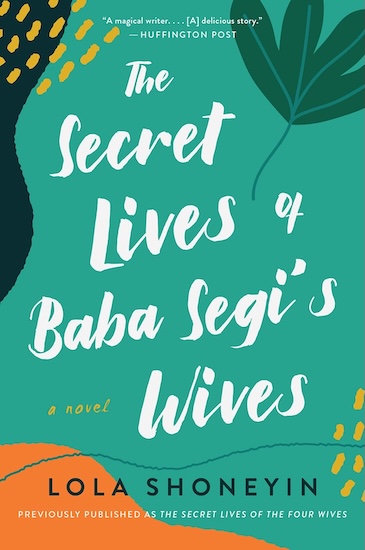
The Secret Lives of Baba Segi's Wives
Set in contemporary Ibadan, Nigeria, The Secret Lives of Baba Segi’s Wives explores the complicated dynamics of a polygamous household where jealousy, ambition, and long-buried secrets threaten to destroy the family’s carefully maintained balance.
Bolanle, a young university graduate, becomes the fourth wife of Baba Segi, a wealthy businessman whose large family is a source of pride and proof of his masculinity. Hoping to find security and acceptance, she enters a household already governed by three wives, each with her own personality, ambitions, and strategies for survival. However, Bolanle’s education and independence make her a source of suspicion and resentment, particularly when she offers to teach the other wives to read.
When Bolanle struggles to conceive, Baba Segi takes her to the hospital to discover the reason for her childlessness. The investigation threatens to expose a secret that the other wives have carefully protected for years. As the truth begins to emerge, the family must confront the consequences of deception and the fragile foundations upon which their relationships have been built.
Told through the perspectives of Baba Segi and his wives, Shoneyin’s novel combines dark humour with an incisive examination of marriage, motherhood, female rivalry, and patriarchal expectations. Beneath its entertaining portrayal of domestic life lies a deeper exploration of the ways women navigate restrictive social structures, compete for security, and find agency within a system that often measures their worth by their ability to bear children.
Nigeria
2010
About this theme
- Books
- 6
- Countries
- 23
Countries with this theme
Afghanistan
Asia
Bangladesh
Asia
Barbados
North America
China
Asia
Egypt
Africa
El Salvador
North America
India
Asia
Iraq
Asia
Ireland
Europe
Jordan
Asia
Lebanon
Asia
Nigeria
Africa
Pakistan
Asia
Palestine
Asia
Saudi Arabia
Asia
Singapore
Asia
Sweden
Europe
Tanzania
Africa
Türkiye
Asia
Uganda
Africa
United Arab Emirates
Asia
United Kingdom
Europe
United States
North America