War & Conflict
Narratives shaped by conflict, survival, and the human cost of war.
All countries
Afghanistan
Algeria
Armenia
Bangladesh
Benin
Bosnia and Herzegovina
Cambodia
Canada
China
Congo, Democratic Republic
Côte d’Ivoire (Ivory Coast)
Croatia
Cyprus
Ethiopia
France
Germany
Greece
Indonesia
Iraq
Japan
Kenya
Lebanon
Malaysia
Mexico
Myanmar
Netherlands
Nigeria
North Korea
Pakistan
Palestine
Russia
Rwanda
Senegal
South Korea
Sri Lanka
Syria
Tanzania
Türkiye
Ukraine
United Kingdom
United States
Vietnam
Yemen
1
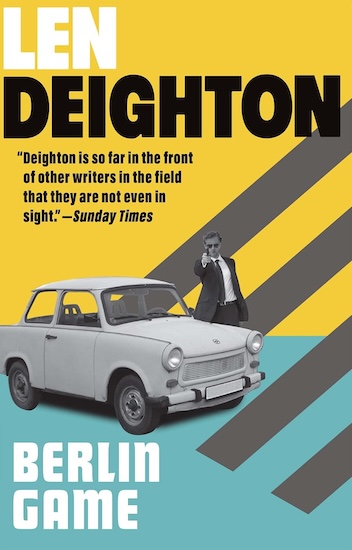
Berlin Game
During the Cold War, British intelligence officer Bernard Samson is accustomed to being overlooked. Now working behind a desk in London after years in the field, he is unexpectedly called back into action when one of Britain’s most valuable agents in East Berlin requests urgent extraction. Known by the codename “Brahms Four,” the agent believes a Soviet mole has infiltrated the highest levels of British intelligence—and that his own life is in immediate danger.
Sent to Berlin, Samson must navigate a labyrinth of double agents, conflicting loyalties, and carefully concealed secrets. His mission is complicated by the suspicion that the betrayal may come from someone within his own professional circle. Meanwhile, his relationship with his ambitious wife, Fiona, who is rising through the intelligence service while his own career stagnates, adds another layer of uncertainty to his already precarious position.
The first novel in Len Deighton’s acclaimed Game, Set and Match trilogy, Berlin Game combines intricate espionage plotting with a sharp portrait of the people behind intelligence operations. Set in a divided Europe where trust is a dangerous luxury, it explores betrayal, professional rivalry, and the personal costs of a life built around secrets.
Germany
United Kingdom
1983
2
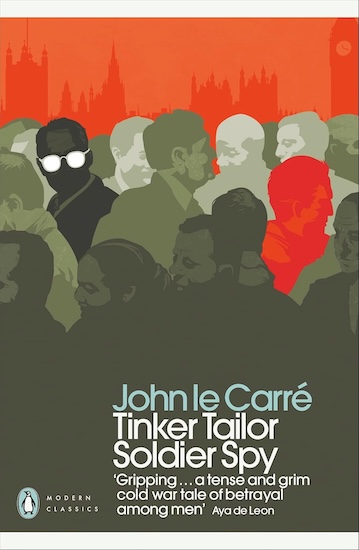
Tinker, Tailor, Soldier, Spy
At the height of the Cold War, British intelligence is facing a devastating crisis. A covert operation in Czechoslovakia has gone disastrously wrong, forcing the head of the Secret Intelligence Service, known as Control, into retirement. But before his departure, Control becomes convinced that a Soviet mole has infiltrated the highest levels of British intelligence, secretly feeding classified information to Moscow.
George Smiley, Control’s quiet, methodical former deputy, is brought back from retirement to investigate. Working in secret, he begins examining the service’s senior officers, each of whom has a codename from a childhood rhyme: Tinker, Tailor, Soldier, and others. As Smiley reconstructs past operations and follows a trail of carefully concealed evidence, he must determine which of his former colleagues has betrayed the organisation from within.
Set in the shadowy world of Cold War London, Tinker, Tailor, Soldier, Spy is a masterful espionage novel about deception, institutional loyalty, and the corrosive effects of suspicion. Rather than relying on spectacular action, John le Carré builds tension through quiet conversations, fragmented memories, and psychological insight, revealing a world where the greatest threat may be the person sitting beside you.
Russia
United Kingdom
1974
3
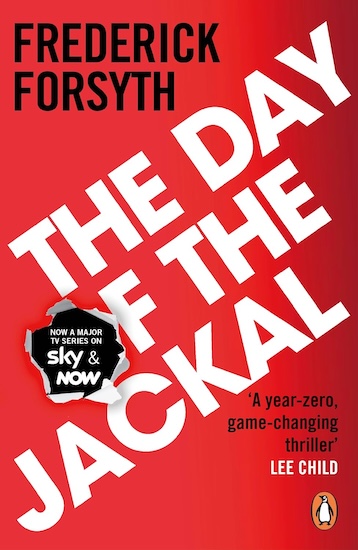
The Day of the Jackal
France, 1963. Following repeated attempts to assassinate President Charles de Gaulle, a militant organisation determined to overthrow him hires a professional killer known only by his codename: the Jackal. Brilliant, meticulous, and almost impossible to identify, the assassin begins preparing an elaborate plan to kill the French president. He obtains false identities, arranges specialised equipment, and carefully studies the security measures surrounding his target.
When French intelligence discovers the conspiracy, the authorities launch a desperate hunt for the unknown assassin. Commissaire Claude Lebel, a methodical detective with an exceptional ability to follow small clues, is assigned to lead the investigation. As the Jackal moves closer to his target, Lebel must navigate political pressure, bureaucratic obstacles, and a trail of deception stretching across Europe.
Combining painstaking procedural detail with relentless suspense, The Day of the Jackal explores the deadly intersection of political extremism, state security, and individual ambition. Frederick Forsyth transforms a fictional assassination plot into a gripping contest between two professionals, each determined to outwit the other before time runs out.
France
United Kingdom
1971
4
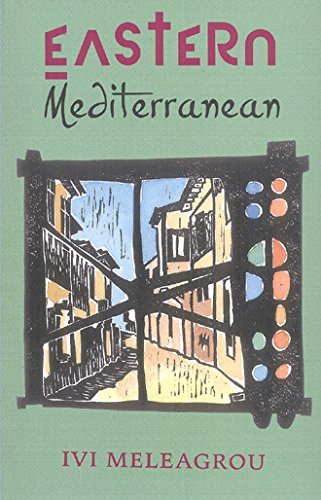
Eastern Mediterranean
Set in Nicosia between 1960 and the beginning of the intercommunal violence in 1963, Eastern Mediterranean portrays Cyprus during the turbulent early years of its independence. Through a cast of interconnected characters, Ivi Meleagrou explores a society caught between hopes for a new national future and the growing tensions threatening to tear it apart.
At the centre of the novel is Margarita, whose relationship with her homeland reflects the emotional and political uncertainty of the period. As the island struggles to define its identity following British colonial rule, longstanding divisions between Greek Cypriots and Turkish Cypriots deepen. Political ideals collide with personal loyalties, while ordinary people find their relationships and everyday lives increasingly shaped by forces beyond their control.
Alongside its portrayal of political upheaval, the novel examines romantic disappointment, marital alienation, and the struggle to preserve one’s sense of self amid collective uncertainty. Meleagrou connects the private lives of her characters with the wider fate of Cyprus, showing how historical events enter homes, reshape relationships, and challenge deeply held beliefs.
First published in Greek in 1969, this landmark work of Cypriot literature offers a nuanced portrait of a society approaching a critical historical turning point. It is particularly significant for its exploration of national identity, political division, and the fragile hopes surrounding independence.
Cyprus
1969
5
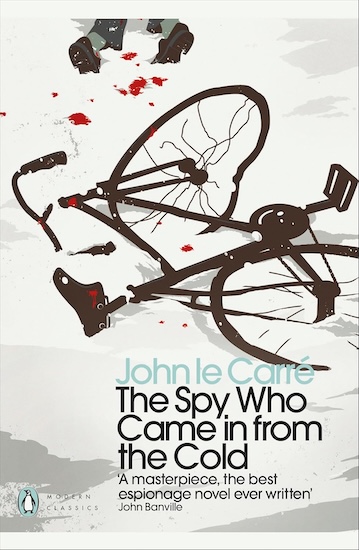
The Spy Who Came in from the Cold
Alec Leamas is a weary British intelligence officer stationed in Berlin during the Cold War. After watching his network of agents collapse, he is ready to leave the dangerous world of espionage behind. But his superior, known as Control, offers him one final assignment: pretend to defect to East Germany and help destroy a powerful figure within the East German intelligence service. To make the deception convincing, Leamas must appear disillusioned, financially desperate, and willing to betray his country.
As he becomes entangled in a carefully constructed web of lies, Leamas discovers that the boundaries between truth and deception are far less clear than he imagined. His growing relationship with Liz Gold, a young British communist, complicates his mission and forces him to confront the human cost of a world in which people are treated as expendable pieces in a political game.
Set against the bleak backdrop of divided Berlin, The Spy Who Came in from the Cold strips espionage of its glamour, revealing a world shaped by moral compromise, manipulation, and betrayal. John le Carré’s landmark novel challenges the idea that intelligence work serves an uncomplicated good, asking what remains of personal conscience when loyalty to the state demands sacrificing everything else.
Germany
United Kingdom
1963
6
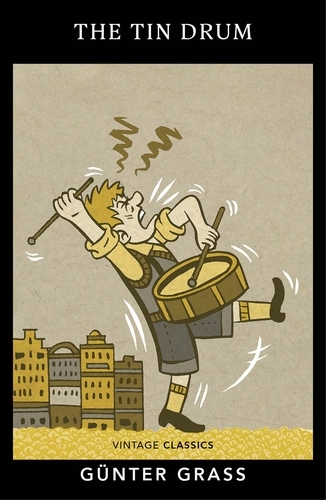
The Tin Drum
The Tin Drum is narrated by Oskar Matzerath, who recounts his life from a mental institution while reflecting on the turbulent history of Germany before, during, and after the Second World War. Born in Danzig in 1924, Oskar decides at the age of three to stop growing, using his small stature and tin drum to distance himself from the adult world. He also possesses a piercing scream capable of shattering glass. Through his strange perspective, the novel depicts the rise of Nazism, the violence of war, and the moral compromises of ordinary people. Grass combines grotesque humour, fantasy, and historical realism to challenge conventional narratives of innocence and responsibility. Oskar’s unreliable account exposes the contradictions of a society that participated in or tolerated fascism, examining collective guilt, denial, and the difficulty of confronting a traumatic national past.
Germany
1959
7
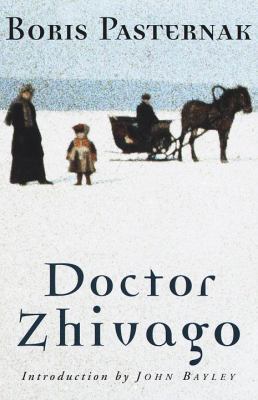
Doctor Zhivago
Doctor Zhivago follows Yuri Zhivago, a physician and poet whose life is transformed by the Russian Revolution and the civil war that follows. As political upheaval destroys established institutions and divides communities, Yuri struggles to reconcile his personal beliefs with the demands of the new order. His marriage to Tonya and his passionate relationship with Lara become entangled with the violence and uncertainty of the era. Forced to move between cities and rural settlements, Yuri witnesses the suffering of ordinary people caught between competing political forces. Pasternak explores the relationship between individual conscience and historical events, examining how love, art, and personal freedom endure under oppressive circumstances. The novel portrays a society in which private lives are repeatedly disrupted by ideological conflict, while poetry becomes a means of preserving human dignity amid destruction.
Russia
1957
8
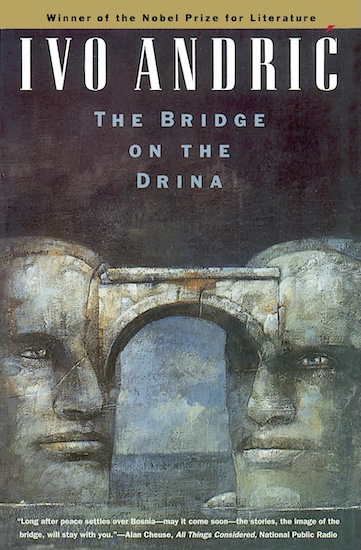
The Bridge on the Drina
The Bridge on the Drina is a historical novel chronicling nearly four centuries of life in Višegrad, a small town in eastern Bosnia, through the story of a single stone bridge spanning the Drina River. Built in the sixteenth century under the Ottoman Empire, the bridge becomes the centre of the town’s social life, connecting people from different religious and cultural communities while witnessing generations of change.
Through a series of interconnected stories, Ivo Andrić explores the lives of ordinary people shaped by imperial rule, religious tensions, political upheaval, and personal tragedy. As the Ottoman Empire gives way to Austro-Hungarian authority and new nationalist movements emerge, the bridge remains a powerful symbol of continuity amid historical change. Blending folklore, local legends, and historical events, the novel examines how communities preserve their memories and traditions while confronting the forces that divide them. It is a profound meditation on history, coexistence, and the enduring human cost of conflict.
Bosnia and Herzegovina
1945
9
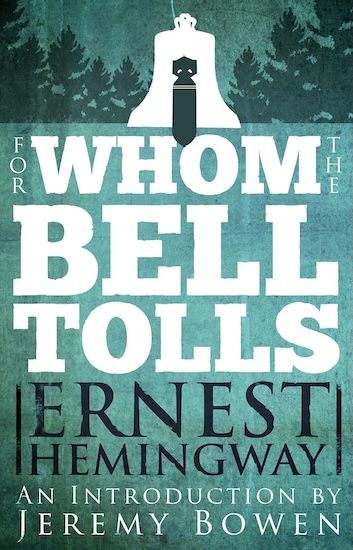
For Whom the Bell Tolls
For Whom the Bell Tolls follows Robert Jordan, an American volunteer fighting alongside Republican guerrillas during the Spanish Civil War. Assigned to destroy a strategically important bridge ahead of a military offensive, Jordan joins a small group of fighters in the mountains. As he prepares for the operation, he develops a relationship with María, a young woman traumatised by violence, and forms complicated bonds with the guerrillas who support his mission. Their preparations expose the divisions, fears, and conflicting loyalties within the Republican cause. As the operation approaches, Jordan must weigh his commitment to the wider struggle against the lives of the people around him. Hemingway explores courage, sacrifice, love, and the moral costs of war, questioning how individuals can preserve their humanity while participating in a conflict that demands violence and obedience.
United States
1940
10
All Quiet on the Western Front
All Quiet on the Western Front follows Paul Bäumer, a young German soldier who enlists in the First World War alongside his school friends after being encouraged by patriotic teachers. Once at the front, the young men discover that the heroic ideals used to recruit them bear little resemblance to the reality of trench warfare. Constant bombardment, hunger, exhaustion, and the loss of comrades gradually destroy their innocence and their faith in the society that sent them to fight. When Paul returns home on leave, he finds himself unable to reconnect with civilians who cannot understand his experiences. Remarque portrays war as a force that damages not only bodies but also the emotional and moral foundations of a generation. The novel explores trauma, disillusionment, and the devastating distance between military rhetoric and the human cost of conflict.
Germany
1929
11
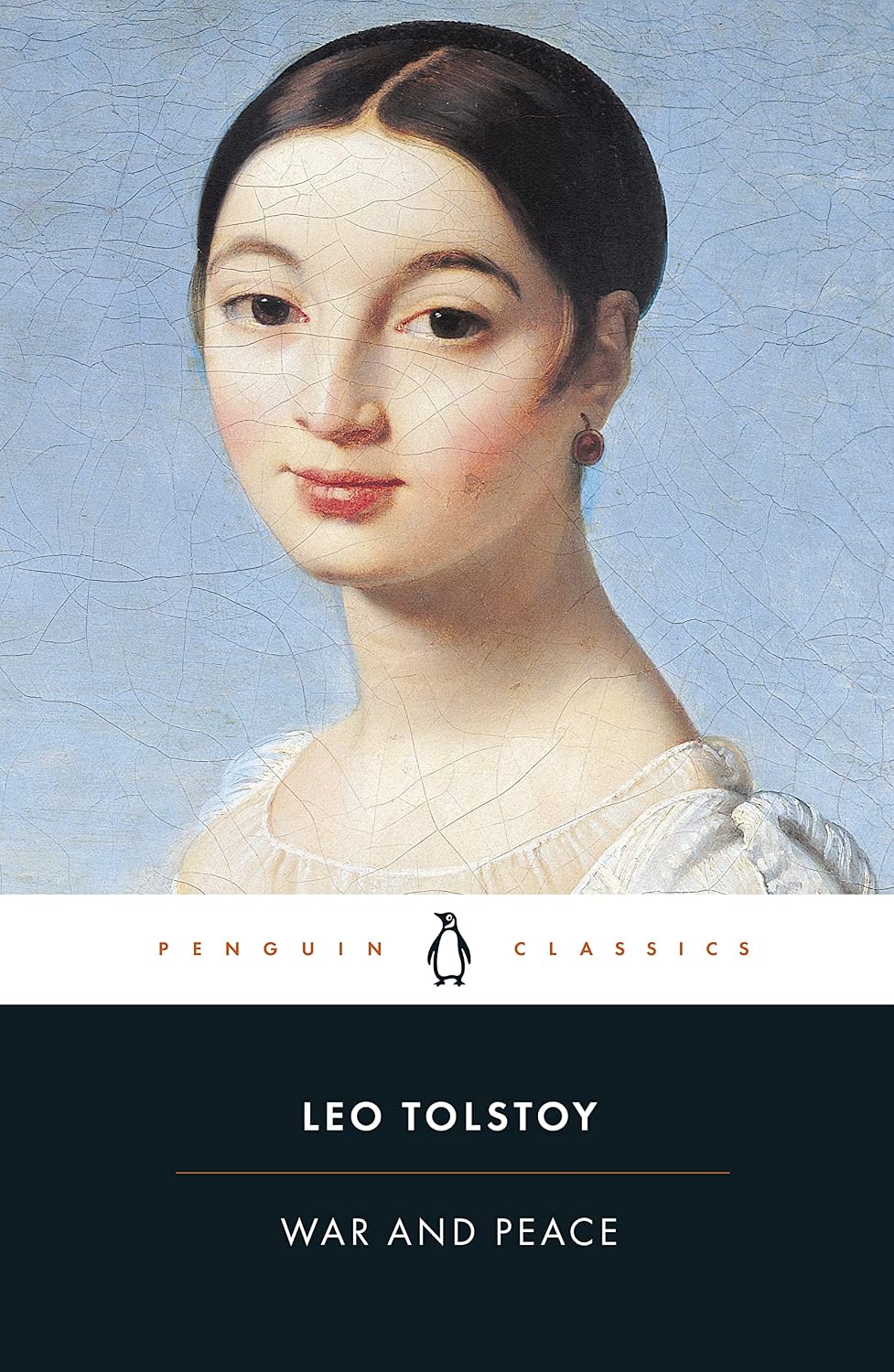
War and Peace
Set in Russia during the Napoleonic Wars, War and Peace follows the lives of several aristocratic families as their personal struggles unfold against the backdrop of invasion, political upheaval, and social transformation. The novel centres on three main characters: Pierre Bezukhov, an idealistic and searching young man; Prince Andrei Bolkonsky, a disillusioned aristocrat seeking meaning and glory; and Natasha Rostova, a spirited young woman whose experiences of love and loss shape her coming of age. As Napoleon’s army advances into Russia, the characters confront the devastating realities of war, the fragility of human ambition, and the unpredictability of fate. Blending intimate family dramas with sweeping historical events, Tolstoy questions the idea that history is shaped by a handful of powerful individuals, instead emphasising the countless ordinary choices that influence the world. The novel is a profound exploration of love, mortality, freedom, and the search for meaning amid the chaos of history.
Russia
1869
About this theme
- Books
- 71
- Countries
- 43
Countries with this theme
Afghanistan
Asia
Algeria
Africa
Armenia
Asia
Bangladesh
Asia
Benin
Africa
Bosnia and Herzegovina
Europe
Cambodia
Asia
Canada
North America
China
Asia
Congo, Democratic Republic
Africa
Côte d’Ivoire (Ivory Coast)
Africa
Croatia
Europe
Cyprus
Asia
Ethiopia
Africa
France
Europe
Germany
Europe
Greece
Europe
Indonesia
Asia
Iraq
Asia
Japan
Asia
Kenya
Africa
Lebanon
Asia
Malaysia
Asia
Mexico
North America
Myanmar
Asia
Netherlands
Europe
Nigeria
Africa
North Korea
Asia
Pakistan
Asia
Palestine
Asia
Russia
Europe
Rwanda
Africa
Senegal
Africa
South Korea
Asia
Sri Lanka
Asia
Syria
Asia
Tanzania
Africa
Türkiye
Asia
Ukraine
Europe
United Kingdom
Europe
United States
North America
Vietnam
Asia
Yemen
Asia