War & Conflict
Narratives shaped by conflict, survival, and the human cost of war.
All countries
Afghanistan
Algeria
Armenia
Bangladesh
Benin
Bosnia and Herzegovina
Cambodia
Canada
China
Congo, Democratic Republic
Côte d’Ivoire (Ivory Coast)
Croatia
Cyprus
Ethiopia
France
Germany
Greece
Indonesia
Iraq
Japan
Kenya
Lebanon
Malaysia
Mexico
Myanmar
Netherlands
Nigeria
North Korea
Pakistan
Palestine
Russia
Rwanda
Senegal
South Korea
Sri Lanka
Syria
Tanzania
Türkiye
Ukraine
United Kingdom
United States
Vietnam
Yemen
1
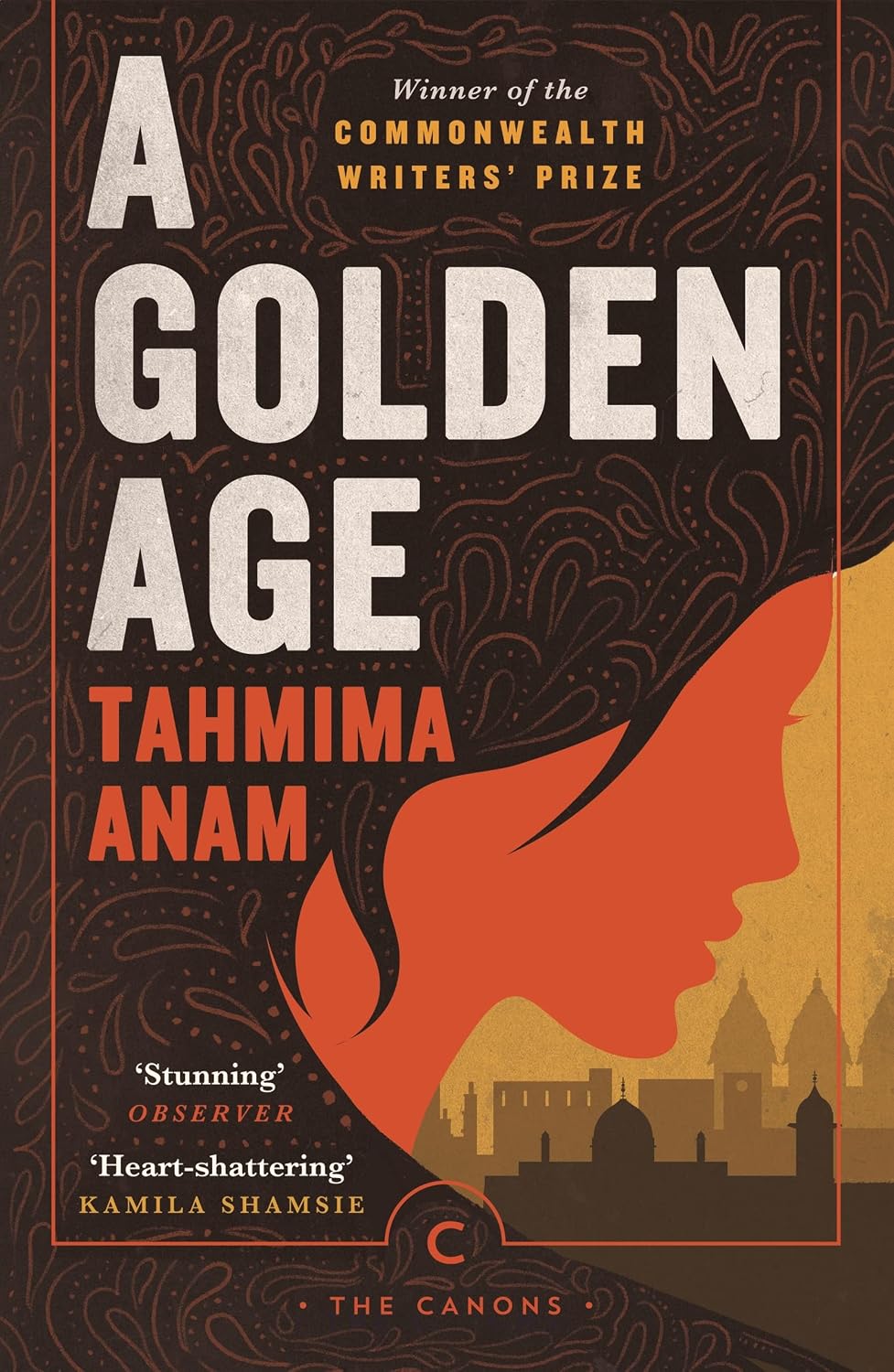
A Golden Age
Set during the Bangladesh Liberation War of 1971, A Golden Age follows Rehana Haque, a widowed mother living in Dhaka whose greatest priority is protecting her children. When her son and daughter become involved in the struggle for independence from Pakistan, Rehana finds herself drawn into a conflict that challenges her understanding of motherhood, loyalty, and sacrifice. Initially determined to keep her family safe, she gradually becomes involved in the resistance movement, using her home and personal resources to help those fighting for freedom. As violence escalates and ordinary life becomes increasingly dangerous, Rehana must confront the possibility that protecting her children may require supporting decisions she cannot fully control. Anam explores the intersection of private family life and national history, portraying how war transforms ordinary people and forces them to reconsider what they are willing to sacrifice for those they love.
Bangladesh
2009
2
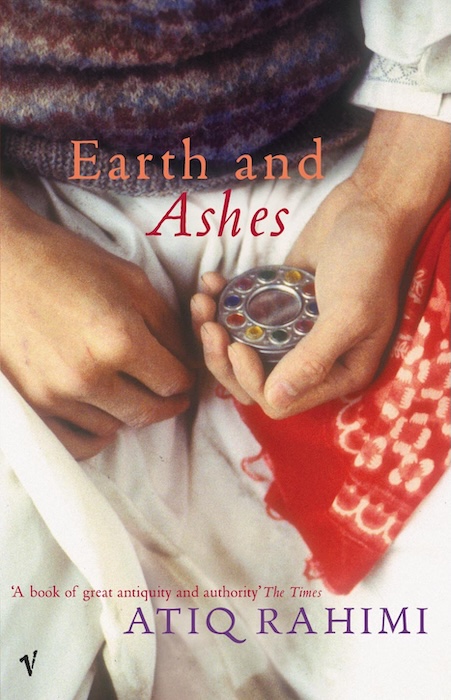
Earth and Ashes
Earth and Ashes is a spare, haunting novella set in Afghanistan during the Soviet war. Dastaguir, an elderly man, travels with his young grandson, Yassin, through a devastated landscape after their village is destroyed in a bombing. Dastaguir must find a way to tell his son, who works in a distant mine, that the rest of their family has been killed. Meanwhile, Yassin, whose hearing has been damaged by the explosion, struggles to understand what has happened and why the world around him has changed so dramatically. Through their journey, Rahimi portrays the devastating consequences of war on ordinary people, particularly children and the elderly. The novella explores grief, silence, trauma, and the difficulty of communicating unbearable truths in a world where violence has shattered both families and communities.
Afghanistan
2010
3
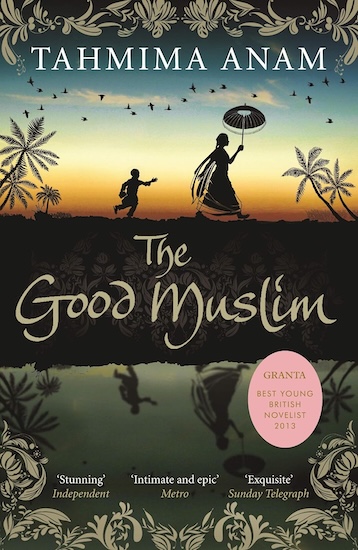
The Good Muslim
Nearly a decade after Bangladesh’s war of independence, Maya Haque returns to Dhaka to reconnect with her family and discovers that the world she left behind has changed profoundly. Her beloved brother, Sohail, once a revolutionary and committed secularist, has embraced religious conservatism and become a charismatic religious leader. As Maya continues to pursue her medical career and fight for women’s rights, the siblings find themselves on opposing sides of an increasingly bitter ideological divide. Their conflict deepens when Sohail makes a decision about his young son, Zaid, that threatens to tear the family apart. Set against the political and social upheavals of post-independence Bangladesh, The Good Muslim explores how war leaves lasting psychological scars, how faith can reshape identity, and how families struggle to reconcile love with deeply held convictions.
Bangladesh
2011
4
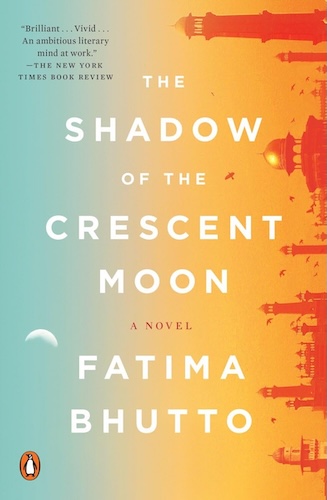
The Shadow of the Crescent Moon
In Mir Ali, a small town in Pakistan’s tribal region near the Afghan border, three brothers gather for breakfast on a rain-soaked Friday morning. Their lives have been shaped by years of conflict, political oppression, and personal loss, but each has chosen a different path. Aman Erum, the eldest, has returned from America after pursuing wealth and opportunity abroad. Sikandar, a doctor, dedicates himself to treating the wounded while struggling with the grief that has devastated his family. Hayat, the youngest, remains committed to his father’s revolutionary ideals and dreams of liberating their town from oppression. As the brothers go about their day, their lives intersect with those of two women whose experiences reveal the devastating consequences of violence and the difficult choices people make to survive. Set against the backdrop of the war in Afghanistan and the conflict spilling into Pakistan, The Shadow of the Crescent Moon explores family loyalty, political resistance, love, and the struggle to preserve one’s humanity in a world consumed by violence.
Pakistan
2013
5
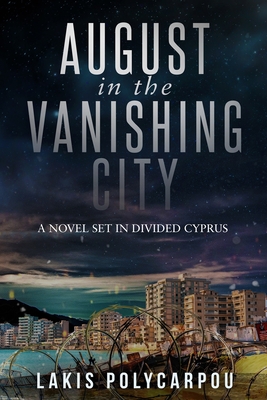
August in the Vanishing City
Set in Cyprus in the mid-1990s, August in the Vanishing City follows Petros, a young Greek Cypriot soldier struggling with love, loss, and the consequences of living on a divided island. Two decades after the Turkish invasion of 1974, the coastal city of Varosha, once a glamorous holiday destination, lies abandoned behind barbed wire and military barriers. For those who were forced to flee, it remains a painful reminder of the homes and lives they lost.
When Petros discovers that Joanna, the woman he has loved since childhood, has fallen for his best friend Elias, he becomes desperate to win her back. His plan leads him to attempt a dangerous journey into Varosha to retrieve a personal keepsake connected to their shared past. Crossing into the restricted city means risking his life, as the area remains under military control.
As Petros navigates the ruins of a vanished world, he must confront not only the dangers surrounding him but also his own ideas about love, loyalty, and what is worth fighting for. His personal struggle unfolds against the broader tensions between Greek and Turkish Cypriots, revealing how political conflict shapes relationships and individual choices.
Combining romance, suspense, and historical context, Polycarpou’s novel explores the meaning of home, the wounds of displacement, and the enduring effects of war on ordinary people. Varosha itself becomes a powerful symbol of interrupted lives and memories that refuse to disappear.
Cyprus
2015
6
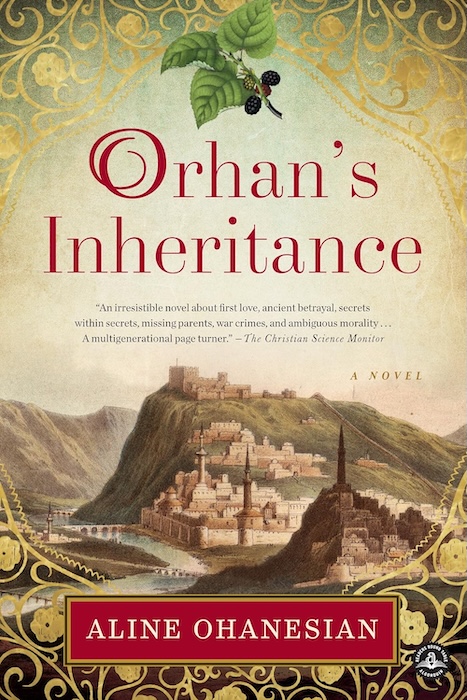
Orhan's Inheritance
Orhan’s Inheritance follows Orhan, a young Turkish man who unexpectedly inherits his grandfather’s house in a village in Anatolia. The inheritance is complicated by the appearance of Seda, an elderly Armenian American woman who claims that the property belongs to her family. Determined to understand the dispute, Orhan investigates his grandfather’s past and uncovers a history connected to the Armenian genocide of 1915. Through alternating perspectives and different periods, the novel reveals how violence, forced displacement, and silence have shaped two families across generations. As Orhan learns about the experiences of those who came before him, he must reconsider the stories he has inherited about his family and country. Ohanesian explores historical memory, responsibility, and the difficult process of confronting atrocities that remain painful long after the events themselves.
Armenia
2015
7
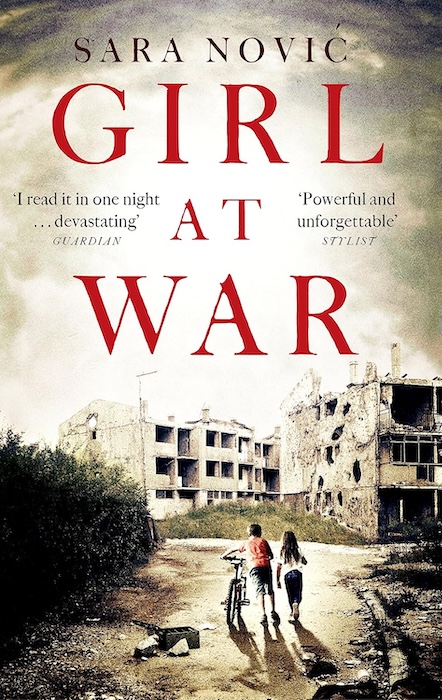
Girl at War
Girl at War follows Ana Jurić, a ten-year-old girl growing up in Zagreb when the Yugoslav Wars erupt in the early 1990s. As violence spreads across Croatia, Ana’s childhood is shattered, and she experiences the devastating consequences of war, including the loss of loved ones and the destruction of her sense of security. After a traumatic journey, she eventually finds refuge in the United States, where she struggles to rebuild her life while carrying memories she cannot fully confront. Years later, Ana returns to Croatia, hoping to reconnect with her past and understand the experiences that shaped her identity. Moving between childhood and adulthood, Sara Nović explores trauma, displacement, survivor’s guilt, and the lasting psychological effects of conflict. The novel is a poignant examination of how war transforms individuals and communities, and how difficult it can be to reconcile the person one becomes with the person one once was.
Croatia
2015
8
Time of White Horses
Set in Palestine, before the creation of the state of Israel, this lyrical and deftly written novel spans three generations living in the small village of Hadiya. Reaching back into the late nineteenth and early twentieth centuries, the immense history of this period is brought into focus by the very human stories of Hajj Mahmoud, his son Khaled, and grandson Naji. As the cruel hand of history hovers above them, their destinies are shaped by outside forces - first the crumbling Ottoman Empire, then the British Mandate, and finally the Nakba. Nasrallah's elegant and epic tale is one of both suffering and survival, heart-break and hope.
Palestine
2016
9
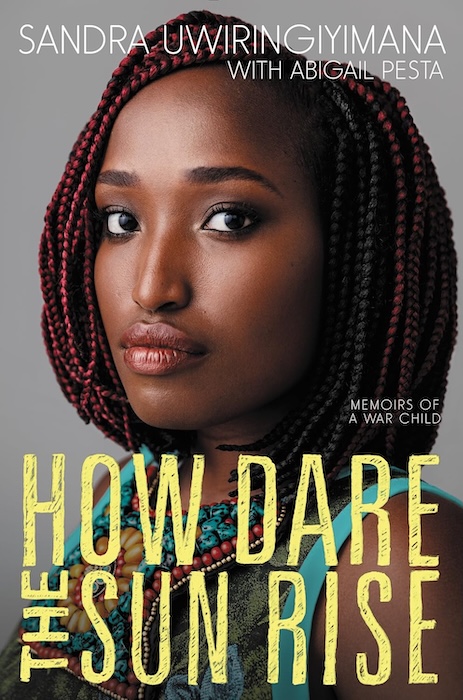
How Dare the Sun Rise
How Dare the Sun Rise is the powerful memoir of Sandra Uwiringiyimana, who recounts her childhood as a member of the Banyamulenge, a persecuted ethnic minority in the Democratic Republic of the Congo. When Sandra was ten years old, her family was living in a refugee camp in Burundi after fleeing violence in their homeland. In 2004, the camp was attacked by armed assailants, and Sandra witnessed the deaths of her mother and six-year-old sister. She narrowly escaped with her own life.
After the massacre, Sandra and her surviving family members eventually resettled in the United States, hoping to find safety and a fresh start. However, adjusting to a new country brought its own challenges, including racism, isolation, and the struggle to find a sense of belonging.
Co-written with journalist Abigail Pesta, this memoir explores trauma, displacement, identity, and resilience. Through her journey from a war-torn childhood to becoming an advocate for refugees and human rights, Sandra reflects on the power of storytelling to confront injustice and reclaim one’s voice.
Congo, Democratic Republic
2017
10
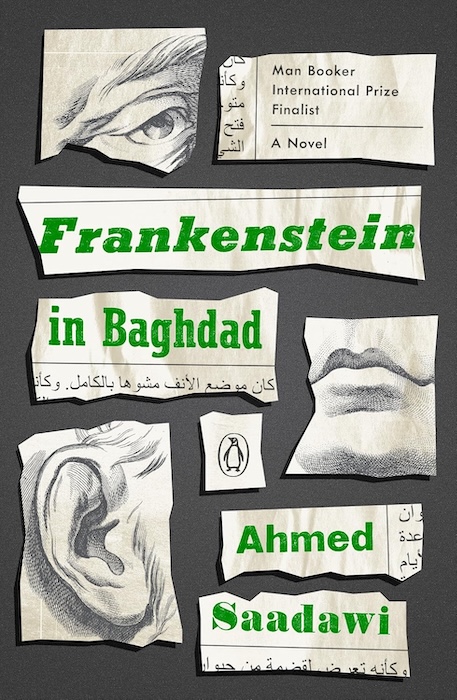
Frankenstein in Baghdad
Set in Baghdad after the 2003 invasion of Iraq, Frankenstein in Baghdad follows Hadi, an eccentric junk dealer who collects body parts left behind by bombings and other acts of violence. Hoping to ensure that the dead receive proper recognition, he stitches the remains together into a single body. When the assembled corpse mysteriously disappears, a series of gruesome murders begins, and rumours spread about a creature that cannot be killed. As the authorities and local residents attempt to understand the violence, the creature becomes a disturbing symbol of a society overwhelmed by revenge and injustice. Blending horror, dark humour, and political satire, Saadawi explores the human cost of war and the difficulty of assigning responsibility when violence produces an endless cycle of retaliation. The novel asks whether a society fractured by conflict can distinguish justice from revenge.
Iraq
2018
11
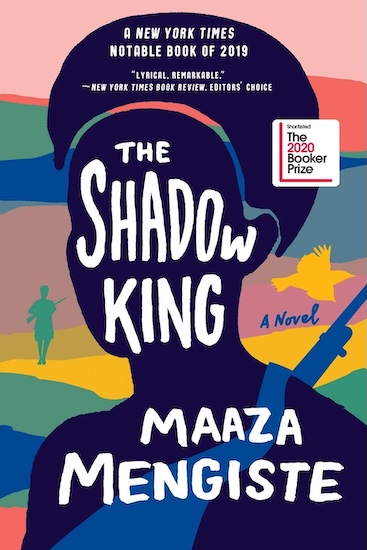
The Shadow King
Ethiopia, 1935. As Mussolini’s Italian army prepares to invade, Hirut, a recently orphaned young woman, struggles to survive in the household of Kidane, an officer in Emperor Haile Selassie’s army. When war erupts, Hirut and other Ethiopian women refuse to remain on the sidelines, limited to nursing the wounded and burying the dead. They want to fight for their country, but their courage must overcome not only the invading army but also the expectations of a society that rarely recognises women’s strength.
When the emperor is forced into exile, Hirut devises an extraordinary plan to restore hope: she helps disguise a humble peasant as the emperor and becomes his personal guard. Meanwhile, Ettore, a Jewish Italian photographer serving with the invading forces, struggles with his own conscience as he witnesses the brutality of the occupation. Moving between the perspectives of soldiers, civilians, and women on the battlefield, The Shadow King reclaims a neglected chapter of Ethiopian history. It is a powerful exploration of resistance, sacrifice, and the women whose contributions to war have too often been erased.
Ethiopia
2019
12
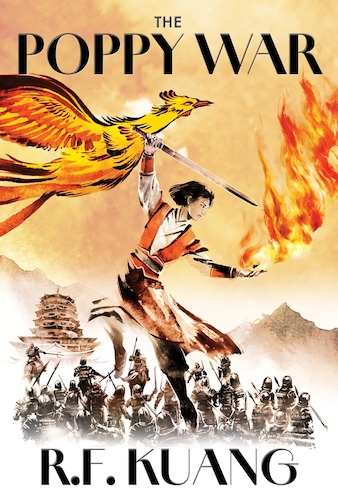
The Poppy War
An orphan from a poor southern province. An elite military academy. A power that could destroy an empire.
When Rin unexpectedly earns a place at Sinegard, the Nikara Empire’s most prestigious military academy, she believes she has finally escaped a future of poverty and forced marriage. But prejudice, relentless training, and the discovery of her extraordinary shamanic abilities soon push her into a world far more dangerous than she imagined. As war threatens to engulf the empire, Rin discovers that the gods are real—and that the power they offer comes at a terrible price. Inspired by twentieth-century Chinese history, particularly the Second Sino-Japanese War, this dark and uncompromising fantasy explores the brutal realities of warfare, the seduction of vengeance, and the devastating consequences of power. Rin must decide what she is willing to sacrifice to protect her people—and what remains of her humanity when survival demands unimaginable choices.
China
2019
About this theme
- Books
- 71
- Countries
- 43
Countries with this theme
Afghanistan
Asia
Algeria
Africa
Armenia
Asia
Bangladesh
Asia
Benin
Africa
Bosnia and Herzegovina
Europe
Cambodia
Asia
Canada
North America
China
Asia
Congo, Democratic Republic
Africa
Côte d’Ivoire (Ivory Coast)
Africa
Croatia
Europe
Cyprus
Asia
Ethiopia
Africa
France
Europe
Germany
Europe
Greece
Europe
Indonesia
Asia
Iraq
Asia
Japan
Asia
Kenya
Africa
Lebanon
Asia
Malaysia
Asia
Mexico
North America
Myanmar
Asia
Netherlands
Europe
Nigeria
Africa
North Korea
Asia
Pakistan
Asia
Palestine
Asia
Russia
Europe
Rwanda
Africa
Senegal
Africa
South Korea
Asia
Sri Lanka
Asia
Syria
Asia
Tanzania
Africa
Türkiye
Asia
Ukraine
Europe
United Kingdom
Europe
United States
North America
Vietnam
Asia
Yemen
Asia