War & Conflict
Narratives shaped by conflict, survival, and the human cost of war.
All countries
Afghanistan
Algeria
Armenia
Bangladesh
Benin
Bosnia and Herzegovina
Cambodia
Canada
China
Congo, Democratic Republic
Côte d’Ivoire (Ivory Coast)
Croatia
Cyprus
Ethiopia
France
Germany
Greece
Indonesia
Iraq
Japan
Kenya
Lebanon
Malaysia
Mexico
Myanmar
Netherlands
Nigeria
North Korea
Pakistan
Palestine
Russia
Rwanda
Senegal
South Korea
Sri Lanka
Syria
Tanzania
Türkiye
Ukraine
United Kingdom
United States
Vietnam
Yemen
1
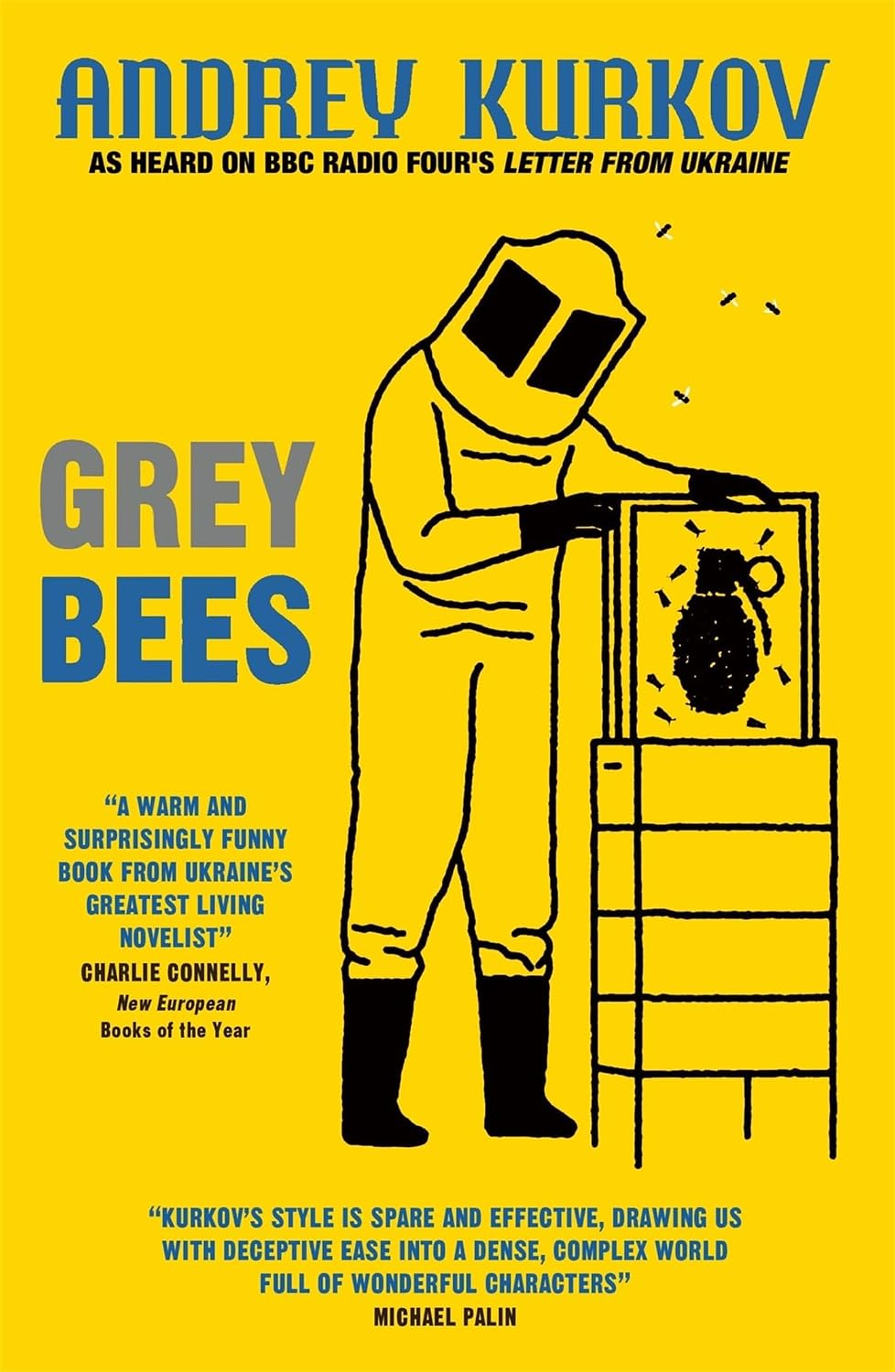
Grey Bees
In a deserted village in eastern Ukraine, deep inside the so-called Grey Zone between Ukrainian forces and Russian-backed separatists, only two residents remain: Sergey Sergeyich, a retired mine safety inspector and devoted beekeeper, and Pashka, his former schoolmate and longtime rival. With no electricity and the constant threat of shelling, Sergeyich finds comfort in tending to his bees, whose orderly world offers a fragile contrast to the violence surrounding him.
As spring approaches, he decides to transport his beehives to safer pastures, embarking on a journey across a war-torn landscape. Along the way, he encounters soldiers and civilians on opposing sides of the conflict, including Russian occupiers and Crimean Tatars. His encounters reveal the human consequences of political division while challenging the boundaries between enemies and neighbours.
Combining dark humour, quiet compassion, and political insight, Grey Bees is a moving portrait of ordinary life amid extraordinary violence. Through Sergeyich’s devotion to his bees, Kurkov explores the persistence of humanity, the absurdity of war, and the possibility of finding common ground in a fractured world.
Ukraine
2020
2
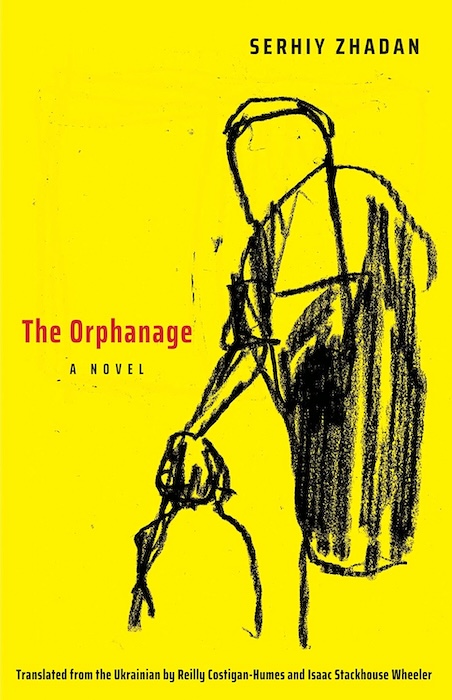
The Orphanage
Set in eastern Ukraine during the war in Donbas, The Orphanage follows Pasha, a thirty-five-year-old Ukrainian language teacher who has spent his life avoiding politics and keeping his distance from the conflicts around him. When fighting reaches a neighbouring city, he must cross the front line to retrieve his thirteen-year-old nephew, Sasha, from a boarding school that has become increasingly dangerous.
What should be a straightforward journey turns into a harrowing passage through a landscape devastated by shelling, military checkpoints, and collapsing infrastructure. As Pasha encounters soldiers, displaced civilians, and people struggling to survive, his familiar world becomes unrecognisable. With each step, he is forced to reconsider his loyalties, his responsibilities, and what it means to belong to a country at war.
Written with stark lyricism and an unflinching eye for everyday suffering, Zhadan’s novel portrays the human cost of armed conflict. Beyond the physical dangers, it explores indifference, moral responsibility, and the difficult realisation that remaining neutral may no longer be possible. The Orphanage won the 2022 EBRD Literature Prize.
Ukraine
2021
3
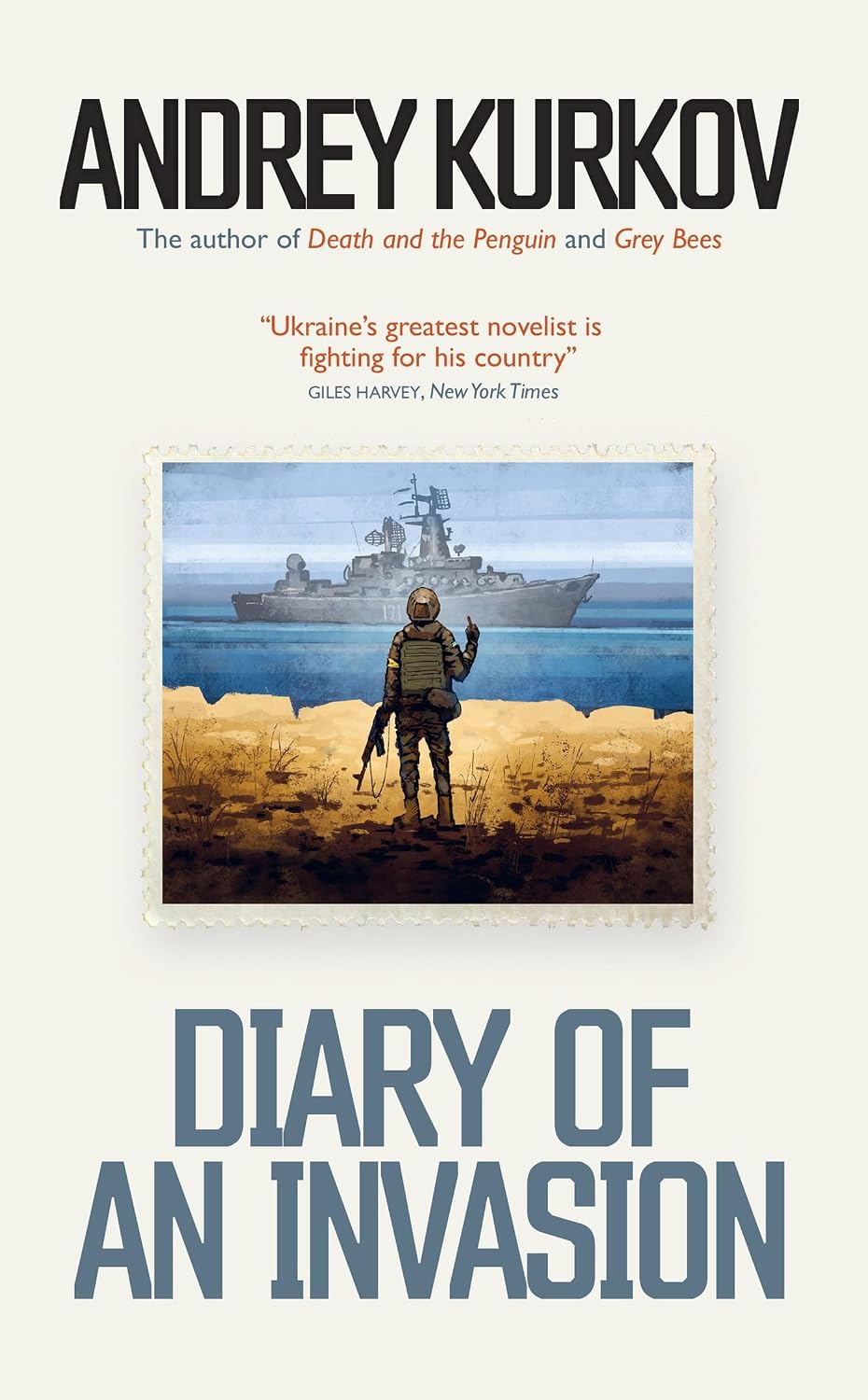
Diary of an Invasion
When Russia launched its full-scale invasion of Ukraine on 24 February 2022, Ukrainian novelist and journalist Andrey Kurkov began documenting the unfolding catastrophe from the perspective of someone living through it. Diary of an Invasion combines personal diary entries, reportage, and historical reflection to chronicle the months leading up to the invasion and its devastating aftermath. As Kurkov and his family seek safety in western Ukraine, he records the experiences of displaced civilians, the destruction of communities, and the extraordinary determination of people struggling to preserve their everyday lives.
Beyond documenting military events, Kurkov examines the complex historical relationship between Russia and Ukraine, the significance of language and cultural identity, and the resilience of Ukrainian society in the face of aggression. His observations are interwoven with moments of dark humour, compassion, and quiet defiance. Both an eyewitness account and a reflection on national identity, the book offers an intimate portrait of a country fighting not only for its territory but also for its cultural survival.
Ukraine
2022
4
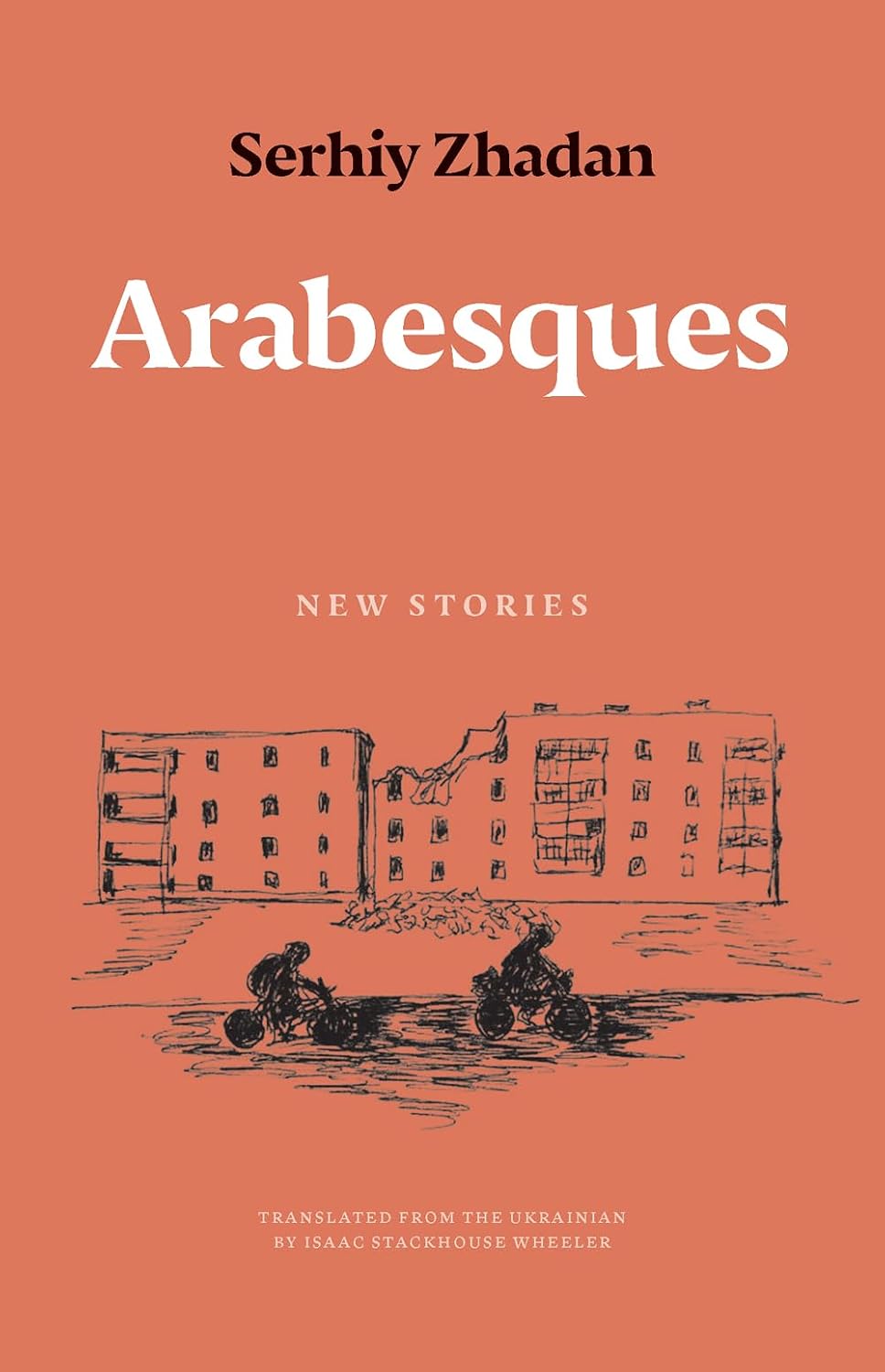
Arabesques
Set in Kharkiv, eastern Ukraine, during Russia’s full-scale invasion, Arabesques is a collection of interconnected stories about ordinary people trying to preserve their humanity in extraordinary circumstances. Through intimate snapshots of daily life, Serhiy Zhadan portrays a city transformed by war, where familiar routines have been disrupted by bombardment, loss, and the constant threat of death.
The characters navigate weddings, love affairs, funerals, and reunions with loved ones returning from the front. Volunteers deliver humanitarian aid, families struggle to protect elderly relatives, and wounded soldiers attempt to rebuild their lives. Their experiences reveal the fragile connections that sustain communities even as violence reshapes the world around them.
Returning to characters and settings from his earlier works, including Mesopotamia and The Orphanage, Zhadan captures both the vulnerability and quiet resilience of Ukrainian society. With understated compassion, he explores grief, solidarity, memory, and the persistence of everyday life amid destruction. Arabesques is a powerful literary portrait of a community determined to endure.
Ukraine
2026
About this theme
- Books
- 4
- Countries
- 43
Countries with this theme
Afghanistan
Asia
Algeria
Africa
Armenia
Asia
Bangladesh
Asia
Benin
Africa
Bosnia and Herzegovina
Europe
Cambodia
Asia
Canada
North America
China
Asia
Congo, Democratic Republic
Africa
Côte d’Ivoire (Ivory Coast)
Africa
Croatia
Europe
Cyprus
Asia
Ethiopia
Africa
France
Europe
Germany
Europe
Greece
Europe
Indonesia
Asia
Iraq
Asia
Japan
Asia
Kenya
Africa
Lebanon
Asia
Malaysia
Asia
Mexico
North America
Myanmar
Asia
Netherlands
Europe
Nigeria
Africa
North Korea
Asia
Pakistan
Asia
Palestine
Asia
Russia
Europe
Rwanda
Africa
Senegal
Africa
South Korea
Asia
Sri Lanka
Asia
Syria
Asia
Tanzania
Africa
Türkiye
Asia
Ukraine
Europe
United Kingdom
Europe
United States
North America
Vietnam
Asia
Yemen
Asia