Immigration
All countries
Algeria
Australia
Burkina Faso
Chile
Côte d’Ivoire (Ivory Coast)
Cyprus
Dominican Republic
Egypt
El Salvador
France
Germany
India
Iran
Italy
Lebanon
Libya
Moldova
Nigeria
Palestine
Spain
Sri Lanka
Taiwan
Türkiye
Uganda
United Arab Emirates
United Kingdom
United States
Vietnam
Zambia
1
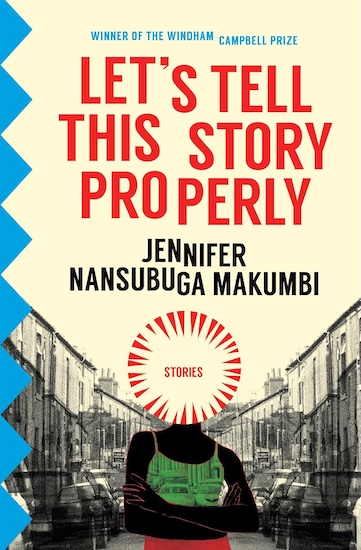
Let's Tell This Story Properly
In Let’s Tell This Story Properly, Jennifer Nansubuga Makumbi explores the experiences of Ugandans living in Britain, examining how migration reshapes identity, family relationships, and the meaning of home. Across a collection of interconnected stories, her characters navigate the challenges of building lives in a country where they may be highly visible as workers and neighbours yet remain socially marginalised. From airport security staff to healthcare workers and families divided between continents, the stories reveal the everyday realities of belonging to more than one place.
The title story follows Nnam, a Ugandan woman living in Manchester, who returns to Uganda with her husband’s body for his funeral rites. There, she discovers that the life she thought she understood concealed painful secrets. Other stories explore the difficult adjustment of immigrants, generational tensions within diaspora families, and the ways cultural expectations persist across distance. Characters often find themselves caught between the home they left and the new home they are trying to make, never feeling entirely at ease in either.
With emotional depth, sharp observation, and occasional dark humour, Makumbi portrays migration as more than a geographical journey. It is also a process of renegotiating family loyalties, cultural identity, and personal history. The collection asks how far people must travel to find belonging—and what happens when the meaning of home changes while they are away.
Uganda
United Kingdom
2019
2
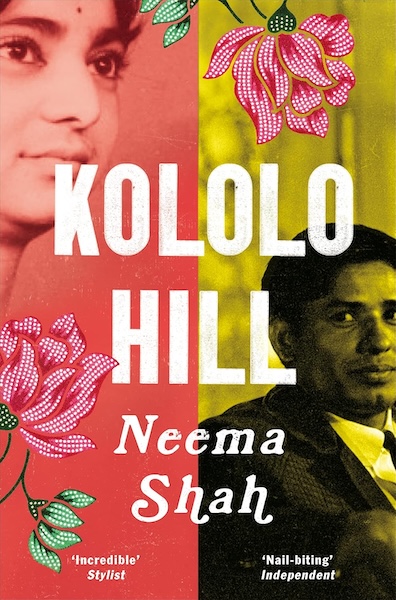
Kololo Hill
In 1972, Ugandan Asians are given just ninety days to leave the country under President Idi Amin’s expulsion order. For Asha and Pran, newly married and working to secure their future, the decree means abandoning the family business and the life they have built. Pran’s mother, Jaya, must also leave the home she has known for decades. As violence escalates in Kampala and people begin disappearing, the family faces an uncertain journey to Britain, where refuge does not necessarily mean belonging.
Arriving in a country that feels unfamiliar, they must rebuild their lives while carrying the emotional weight of everything they have lost. But their struggle is complicated by a devastating secret surrounding their expulsion—one that threatens to fracture the family just when they need one another most.
Moving between the green hills of Kampala and the terraced streets of London, Kololo Hill explores displacement, family loyalty, and the meaning of home. Inspired by the history of Uganda’s Asian community and the author’s own family heritage, this moving novel reveals how political upheaval can reshape lives across generations.
Uganda
United Kingdom
2021
3
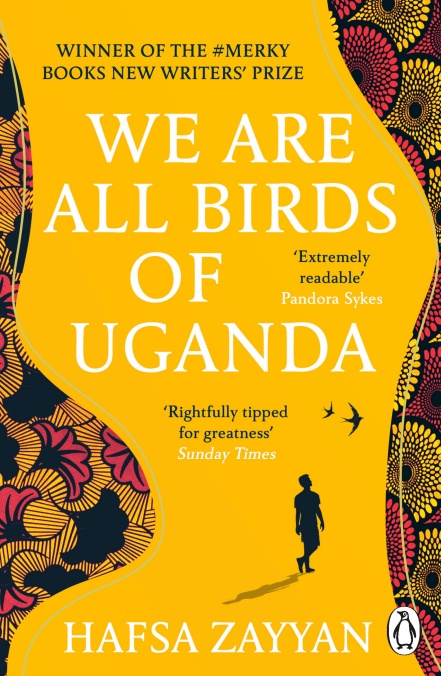
We Are All Birds Of Uganda
In 1960s Uganda, Hasan is struggling to rebuild his life after the death of his wife. Just as he begins to find his footing, political upheaval and rising racial prejudice threaten everything he has worked for. As a member of Uganda’s South Asian community, Hasan faces an uncertain future in a country his family has long called home. The political climate deteriorates further under Idi Amin’s regime, which ultimately forces many South Asians to leave Uganda.
Decades later, in London, Sameer appears to have everything: a successful career as a lawyer and the future he once dreamed of. Yet beneath his achievements lies a persistent sense of emptiness. An unexpected family tragedy draws him back into his family’s history, revealing the sacrifices, losses, and unanswered questions that shaped his identity.
Moving between generations and continents, We Are All Birds of Uganda explores displacement, racial prejudice, inherited trauma, and the complicated meaning of belonging. Through Hasan and Sameer’s intertwined stories, Hafsa Zayyan examines how migration reshapes families and how the past continues to influence those who inherit its consequences.
Uganda
United Kingdom
2021
About this theme
- Books
- 3
- Countries
- 29
Countries with this theme
Algeria
Africa
Australia
Oceania
Burkina Faso
Africa
Chile
South America
Côte d’Ivoire (Ivory Coast)
Africa
Cyprus
Asia
Dominican Republic
North America
Egypt
Africa
El Salvador
North America
France
Europe
Germany
Europe
India
Asia
Iran
Asia
Italy
Europe
Lebanon
Asia
Libya
Africa
Moldova
Europe
Nigeria
Africa
Palestine
Asia
Spain
Europe
Sri Lanka
Asia
Taiwan
Asia
Türkiye
Asia
Uganda
Africa
United Arab Emirates
Asia
United Kingdom
Europe
United States
North America
Vietnam
Asia
Zambia
Africa