Philosophy
1
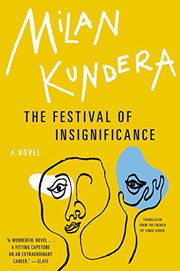
The Festival of Insignificance
The Festival of Insignificance is a playful, philosophical novel in which Milan Kundera explores the absurdity of human existence through the conversations and encounters of four friends in Paris. Alain, Ramón, Charles, and Caliban navigate everyday life while reflecting on vanity, ageing, politics, and the seemingly trivial details that shape human relationships. Their discussions range from the meaning of the human navel to Stalin’s peculiar anecdotes, blending absurd humour with reflections on history, mortality, and the performance of identity. Rather than following a conventional plot, the novel unfolds as a series of interconnected episodes that question humanity’s tendency to assign excessive importance to personal grievances, ambitions, and public events. Kundera suggests that recognising the insignificance underlying much of human life can become a source of freedom, allowing people to approach the world with greater lightness and less resentment. Through irony and philosophical wit, the novel offers a meditation on the fragile boundary between the meaningful and the trivial, inviting readers to reconsider what truly deserves their attention.
Czech Republic
2014
2
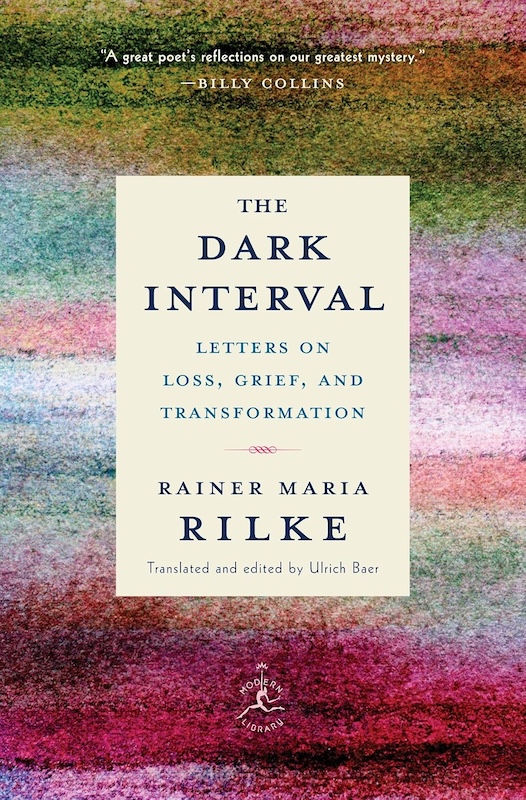
The Dark Interval
Gleaned from Rainer Maria Rilke's voluminous, never-before-translated letters to bereaved friends and acquaintances, The Dark Interval is a profound vision of the mourning process and a meditation on death's place in our lives. Following the format of Letters to a Young Poet, this book arranges Rilke's letters into an uninterrupted sequence, showcasing the full range of the great author's thoughts on death and dying, as well as his sensitive and moving expressions of consolation and condolence. Presented with care and authority by master translator Ulrich Baer, The Dark Interval is a literary treasure, an indispensable resource for anyone searching for solace, comfort, and meaning in a time of grief.
Austria
2018
3
Medusa's Laugh
What if women could reclaim their freedom simply by telling their own stories? First published in 1975, Hélène Cixous’s Medusa’s Laugh is a landmark of feminist thought that challenges the patriarchal traditions shaping literature, language, and society. Drawing on the myth of Medusa, a woman transformed into a monster by the stories told about her, Cixous invites women to reject the identities imposed on them and rediscover their own voices. She introduces the concept of écriture féminine—a form of writing that breaks away from conventional, male-dominated structures and embraces the complexity of women’s bodies, desires, and experiences. Passionate, poetic, and deliberately provocative, this essay is both a literary manifesto and a call to action: women must write themselves into history rather than allow others to define them. Its central message remains powerful: self-expression can be an act of liberation.
France
2026