Memoir
All countries
Afghanistan
Albania
Algeria
Azerbaijan
Bhutan
Bosnia and Herzegovina
Botswana
Cambodia
China
Congo, Democratic Republic
Cuba
Cyprus
Egypt
El Salvador
Finland
France
Germany
Ghana
India
Iran
Ireland
Jamaica
Japan
Libya
Malta
Morocco
Pakistan
Palestine
Russia
Rwanda
Taiwan
Tanzania
Türkiye
United Kingdom
United States
Yemen
Zambia
1
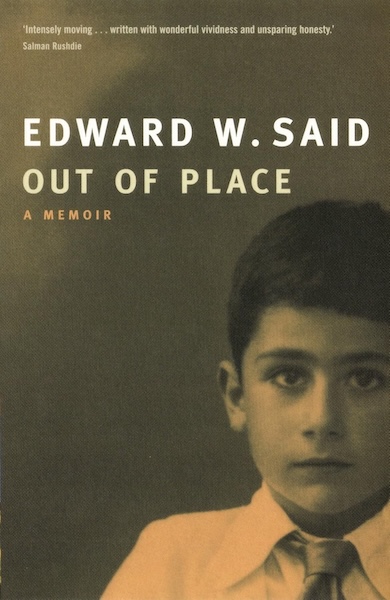
Out Of Place: A Memoir
What does it mean to belong when home is never quite one place?
In Out of Place, Edward W. Said recounts his childhood and early adulthood across Jerusalem, Cairo, and the United States. Born into a Palestinian family in 1935, he grew up moving between cultures, languages, and expectations, often feeling that he did not fully belong anywhere.
With candour and introspection, Said revisits his complicated relationships with his family, his education, and the competing identities that shaped him. His memories reveal the intimate experience behind his later work on exile, culture, and displacement, offering a personal perspective on the historical upheavals of the twentieth century.
More than a conventional autobiography, Out of Place is a meditation on memory and belonging—and on the enduring experience of living between worlds.
Egypt
Palestine
United States
1999
2
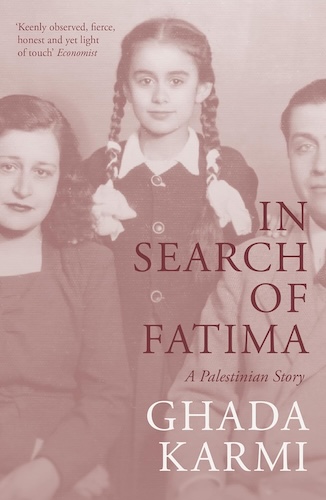
In Search of Fatima
What does it mean to lose your homeland—and spend the rest of your life searching for a place to belong? In this moving memoir, Ghada Karmi recounts her childhood in Jerusalem, her family’s forced displacement during the 1948 Nakba, and their eventual resettlement in England. Growing up between two worlds, she struggles with exile, cultural alienation, and the feeling of being a stranger in a country that is supposed to be home. As she reflects on her childhood and later returns to Palestine, Karmi explores the personal consequences of displacement alongside the political history that shaped her life. Both an intimate family story and a powerful account of Palestinian experience, this memoir examines how the loss of a homeland can shape identity across generations.
Palestine
2002
3
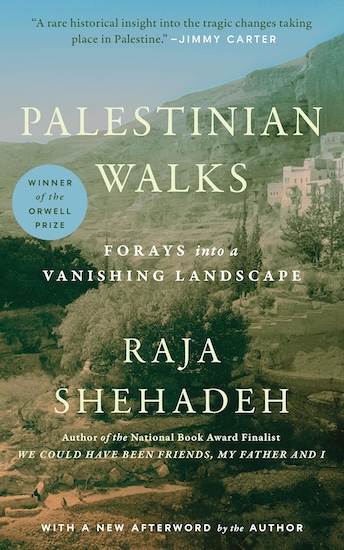
Palestinian Walks
Palestinian Walks is a lyrical memoir in which Palestinian lawyer and writer Raja Shehadeh recounts years of walking through the hills and valleys of the West Bank. Through six walks taken over several decades, Shehadeh explores a landscape he has known since childhood, documenting its natural beauty, ancient paths, wildflowers, and rocky hillsides. As he returns to familiar places, he witnesses how expanding settlements, roads, and political restrictions transform the countryside and limit access to land that once felt open and familiar. Combining personal reflection, nature writing, and historical observation, Shehadeh examines the relationship between landscape, memory, and belonging. His walks become both a way of reconnecting with the natural world and a means of understanding the changes reshaping Palestinian life. The book offers an intimate portrait of a threatened environment, revealing how the loss of familiar places can also mean the erosion of cultural memory, personal freedom, and a sense of home.
Palestine
2008
4
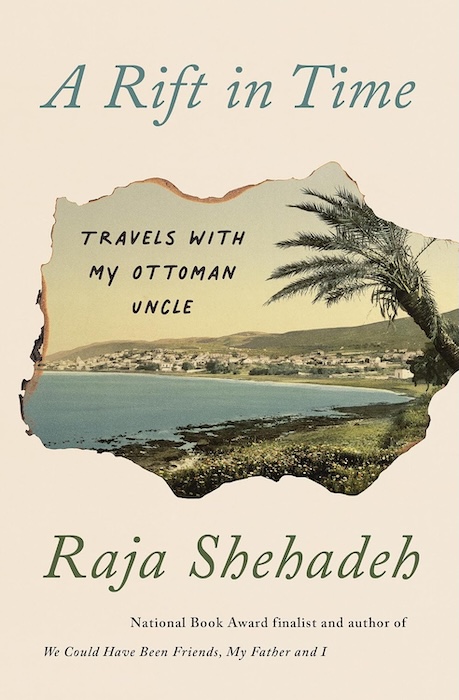
A Rift in Time: Travels with My Ottoman Uncle
In A Rift in Time: Travels with My Ottoman Uncle, Palestinian writer and human rights lawyer Raja Shehadeh explores the connections between family history, national identity, and the changing political landscape of the Middle East. Inspired by the life of his great-uncle Najib Nassar, a Palestinian journalist who lived during the final decades of the Ottoman Empire, Shehadeh traces the journey of a man who witnessed the collapse of an empire and the emergence of a new political order. Moving between historical research, personal reflection, and travel writing, the author examines how the experiences of earlier generations continue to shape contemporary Palestinian life. Through his uncle’s story, Shehadeh reflects on the meaning of belonging, the fragility of historical memory, and the ways political borders transform people’s relationships with their homeland. The book offers an intimate exploration of the past, revealing how an individual’s life can illuminate the wider forces that shape a nation’s history and collective identity.
Palestine
2010
5
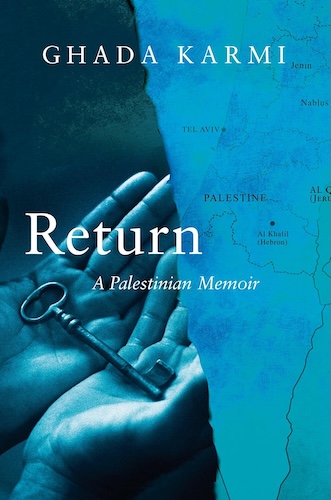
Return: A Palestinian Memoir
What happens when you finally return to the homeland you were forced to leave as a child—and discover that it no longer feels like home? More than fifty years after her family fled Jerusalem during the 1948 Nakba, Palestinian-British doctor and writer Ghada Karmi returns to Palestine, hoping to contribute to the struggle for peace and Palestinian statehood. Working with the Palestinian Authority in Ramallah, she encounters the realities of occupation, military restrictions, political bureaucracy, and a homeland transformed beyond recognition. As she revisits places connected to her childhood and confronts the loss of her family home, Karmi wrestles with a deeply personal question: can exile ever truly end? An intimate memoir of displacement and belonging, Return explores the painful distance between the homeland preserved in memory and the reality of returning to it.
Palestine
2015
6
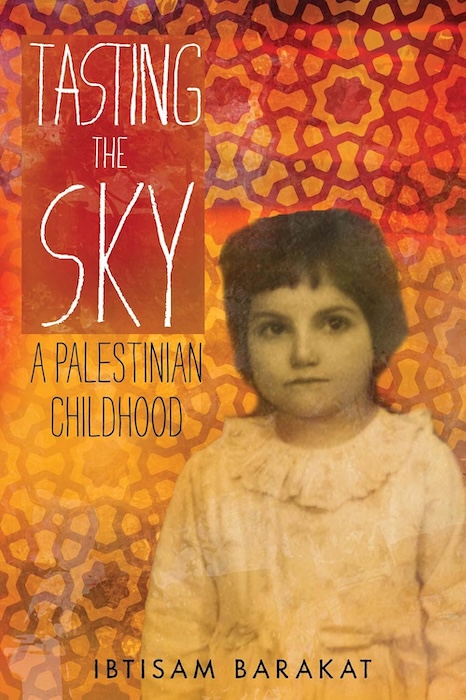
Tasting the Sky
Tasting the Sky: A Palestinian Childhood is a memoir recounting Ibtisam Barakat’s childhood during and after the 1967 Six-Day War. Growing up in Ramallah in the occupied West Bank, Barakat experiences the fear and confusion of war as her family flees their home, leaving behind the familiar world of her early years. Through the eyes of a young girl, she describes the uncertainty of displacement, the separation of families, and the emotional challenges of growing up amid political conflict. Despite the hardship surrounding her, Barakat discovers refuge in language, reading, and education, gradually finding ways to understand and express her experiences. Written in lyrical, accessible prose, the memoir captures how a child makes sense of violence and loss while holding on to curiosity and hope. It offers an intimate perspective on Palestinian history, exploring the relationship between memory, identity, language, and belonging, and demonstrating how storytelling can become a means of survival and self-discovery.
Palestine
2016
7
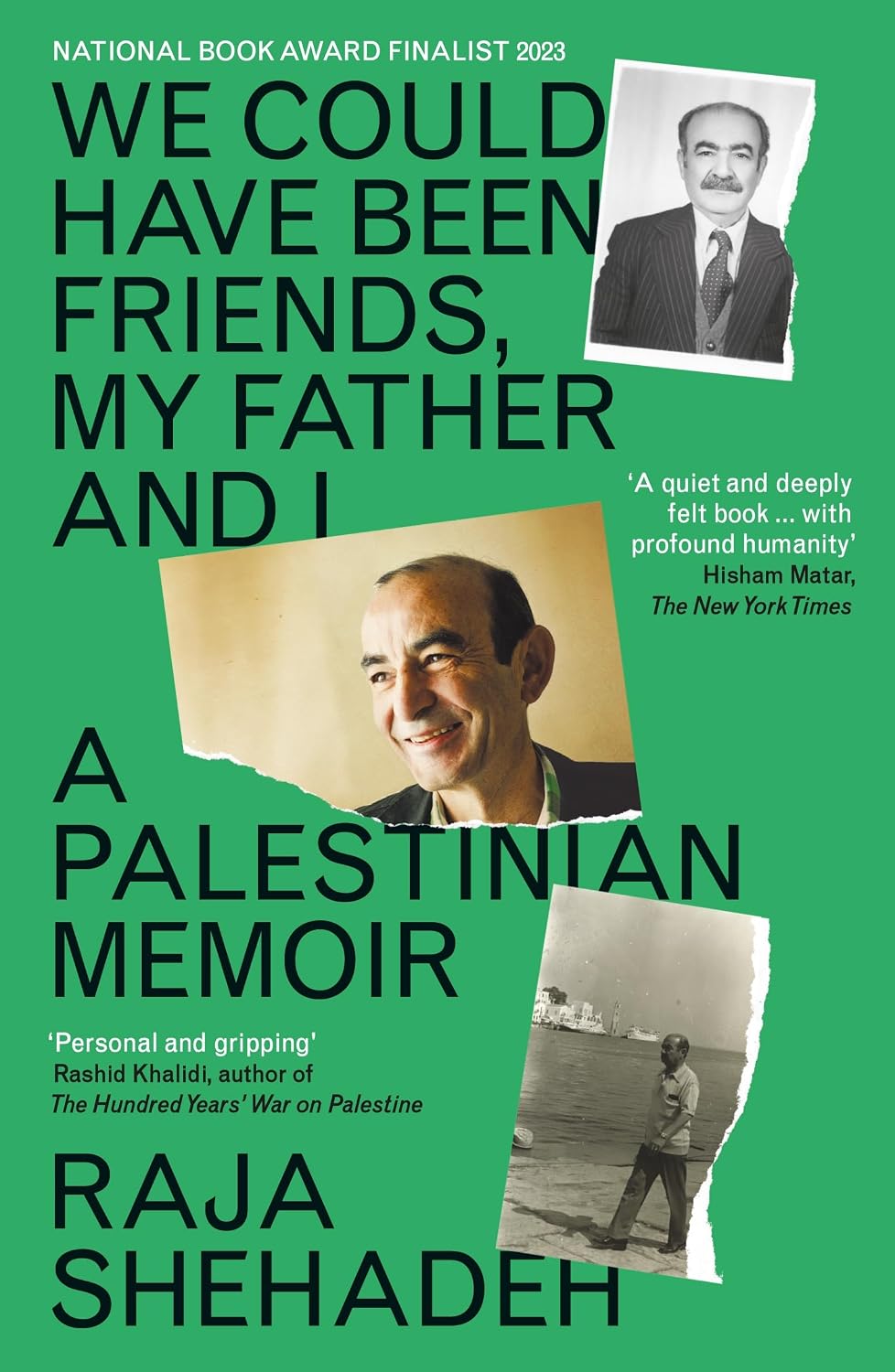
We Could Have Been Friends, My Father and I
In We Could Have Been Friends, My Father and I, Palestinian writer and human rights lawyer Raja Shehadeh reflects on his complex relationship with his father, Aziz Shehadeh, a prominent lawyer and advocate for Palestinian rights. Through personal memories, family history, and historical research, Raja reconstructs his father’s life and examines the political convictions that shaped their relationship. Aziz believed in pursuing justice through legal means and sought peaceful solutions to the Palestinian struggle, while his son developed his own understanding of resistance, identity, and belonging. Their differences often created emotional distance, leaving unspoken feelings and misunderstandings between them. Against the backdrop of British rule, the creation of Israel, and the continuing transformation of Palestinian society, Shehadeh explores how political conflict enters even the most intimate family relationships. The memoir is both a tribute to his father and an attempt to understand him more fully, asking whether shared experiences and renewed understanding can bridge the distance between generations. It offers a deeply personal meditation on family, history, reconciliation, and the possibility of connection despite profound differences.
Palestine
2022
8
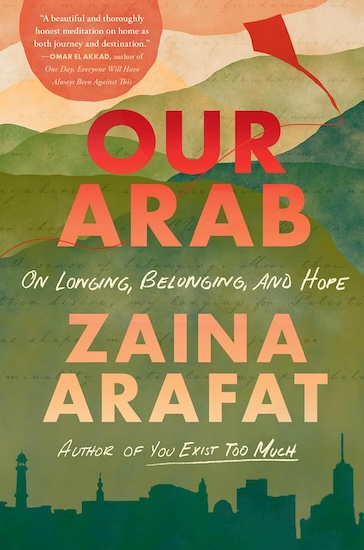
Our Arab
What does it mean to belong to a homeland you may never fully know? In this moving collection of essays, Palestinian-American writer Zaina Arafat explores the complexities of diaspora, inherited memory, and the longing for home. Moving between Nablus, Amman, the Appalachian Mountains, and Manhattan, she weaves together her family’s history, her experiences of identity and motherhood, and the pain of watching Palestine from afar. With tenderness, anger, and sharp insight, Arafat examines what it means to preserve a culture across generations while confronting displacement, erasure, and the shifting meaning of belonging. Our Arab is both an intimate family portrait and a powerful meditation on what it means to be Palestinian today.
Palestine
United States
2026
9
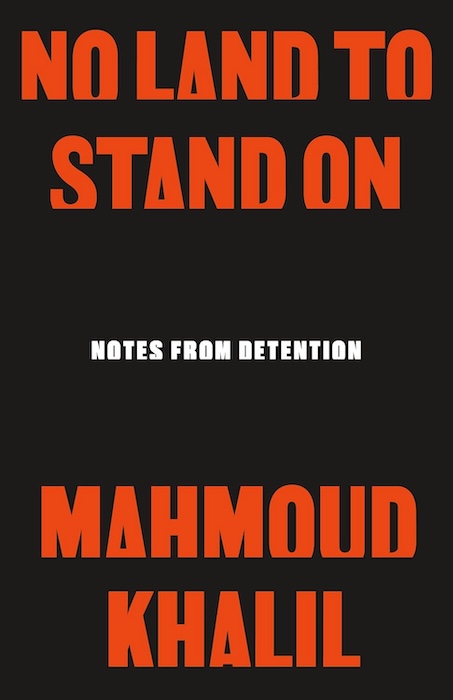
No Land to Stand On: Notes from Detention
In this powerful memoir, Palestinian activist Mahmoud Khalil recounts his detention by U.S. Immigration and Customs Enforcement (ICE) in March 2025 and the fight against his threatened deportation. A Columbia University graduate student and legal permanent resident, Khalil became a prominent voice in student protests against the war in Gaza. His arrest separated him from his pregnant wife and home in New York, transporting him to a detention facility in Louisiana, where he faced uncertainty about his future and the possibility of being forcibly removed from the country.
Drawing on the diary he kept during his imprisonment, Khalil describes the psychological toll of detention, the precarious lives of fellow detainees, and the unexpected solidarity that develops among people deprived of their freedom. He also traces his family’s history of displacement—from Palestine to a refugee camp in Syria—and his own journey through Lebanon to the United States. Combining personal testimony with political reflection, this memoir examines exile, belonging, and the consequences of speaking out against injustice. It asks what freedom and security truly mean when a person’s right to remain at home can be challenged for exercising their right to protest.
Palestine
United States
2026
10
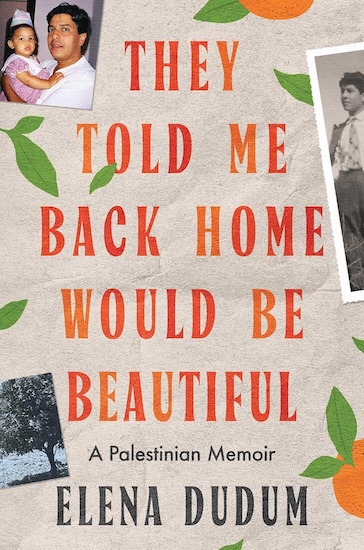
They Told Me Back Home Would Be Beautiful
Raised in a Palestinian Christian family in San Francisco, Elena Dudum grows up surrounded by her father’s stories of a homeland her grandparents were forced to leave. For years, she resists this inheritance, trying to fit into American life and escape the weight of a history she struggles to claim. But a visit to Palestine brings the realities of occupation, displacement, and her family’s past into sharp focus. Weaving together family memories, archival discoveries, and political reflection, this intimate memoir traces one woman’s journey from estrangement to belonging—and her determination to reclaim a heritage that cannot be erased.
Palestine
United States
2027