Family Saga
All countries
Algeria
Australia
Bangladesh
Barbados
Belarus
Bosnia and Herzegovina
Brazil
Canada
Chile
China
Congo, Democratic Republic
Costa Rica
Cuba
Ethiopia
France
Germany
Ghana
India
Ireland
Italy
Latvia
Madagascar
Nigeria
North Macedonia
Norway
Oman
Palestine
Puerto Rico
Saint Kitts and Nevis
Singapore
South Korea
Spain
Sri Lanka
Taiwan
Türkiye
Uganda
United Kingdom
United States
Vietnam
1
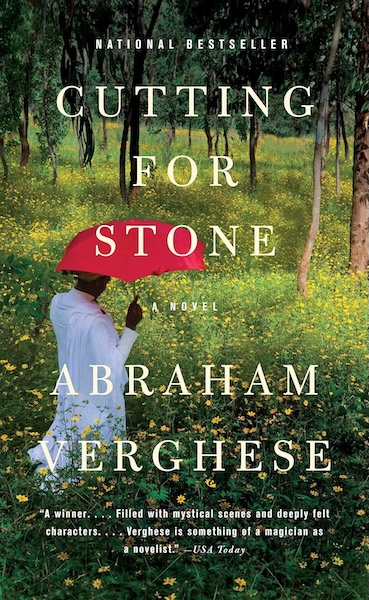
Cutting for Stone
In 1950s Addis Ababa, Ethiopia, twin brothers Marion and Shiva Stone are born from a secret relationship between an Indian nun and a British surgeon at a mission hospital. Their mother dies during childbirth, and their father disappears, leaving the twins to be raised by two devoted doctors who become their adoptive parents. Growing up surrounded by the world of medicine, the brothers develop an extraordinary bond and a shared fascination with surgery.
But as Ethiopia approaches revolution, their lives become entangled in forbidden love, jealousy, and betrayal. A devastating rupture drives Marion into exile in the United States, where he must confront the past he has tried to escape. When circumstances eventually bring him back to the world of his childhood, he faces the people and choices that shaped his life—and discovers that healing some wounds requires more than surgical skill.
Spanning continents and decades, Cutting for Stone is an epic story of brotherhood, sacrifice, and the complicated ties between parents and children. Abraham Verghese combines the intimate drama of a family saga with the intricate world of medicine, exploring how love, loss, and the accidents of birth can shape a person’s destiny.
Ethiopia
United States
2009
2
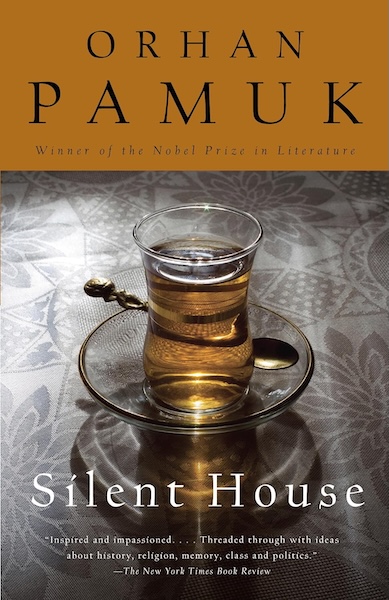
Silent House
Every summer, three siblings travel to a coastal town near Istanbul to visit their elderly grandmother, Fatma, who lives in a house filled with memories of a vanished world. Their grandfather, a doctor and idealist, built the house decades earlier, but his ambitions and radical ideas left painful marks on the family.
During their visit, the siblings reveal contrasting visions of Turkey’s future. Faruk, a disillusioned historian, struggles with his sense of purpose; Nilgün, a politically engaged young woman, dreams of a more egalitarian society; and Metin longs for wealth and the opportunities he associates with the West. Meanwhile, Fatma’s memories return to a past shaped by resentment, regret, and family secrets.
Set against the political polarisation of late-1970s Turkey, Silent House examines the tensions between generations, social classes, and competing ideologies. Through the voices of its deeply different characters, Pamuk reveals how a family’s private conflicts can mirror the divisions of an entire nation.
Türkiye
1983