Yemen
Asia
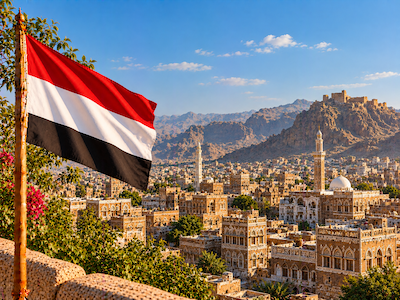
Yemen is a country on the southern tip of the Arabian Peninsula, bordered by Saudi Arabia and Oman and overlooking the Red Sea, Gulf of Aden, and Arabian Sea. Its landscapes range from rugged mountains and fertile highlands to vast desert plains, dramatic coastlines, and remote islands. The capital, Sana’a, is renowned for its distinctive multi-storey tower houses, decorated with geometric patterns and white gypsum window frames. The historic cities of Shibam, often called the “Manhattan of the Desert,” and Zabid reflect Yemen’s importance in regional trade, architecture, and Islamic scholarship. For centuries, Yemen was also central to the coffee trade, with the port of Mocha giving its name to the famous coffee variety. Arabic is the official language, while various regional dialects and South Arabian languages reflect the country’s diverse heritage. Despite years of conflict and humanitarian crisis, Yemen retains a rich cultural legacy rooted in hospitality, poetry, craftsmanship, and ancient traditions.
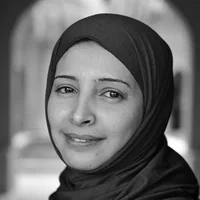
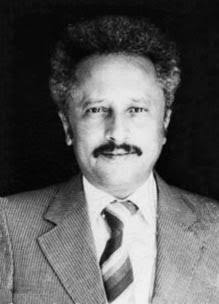
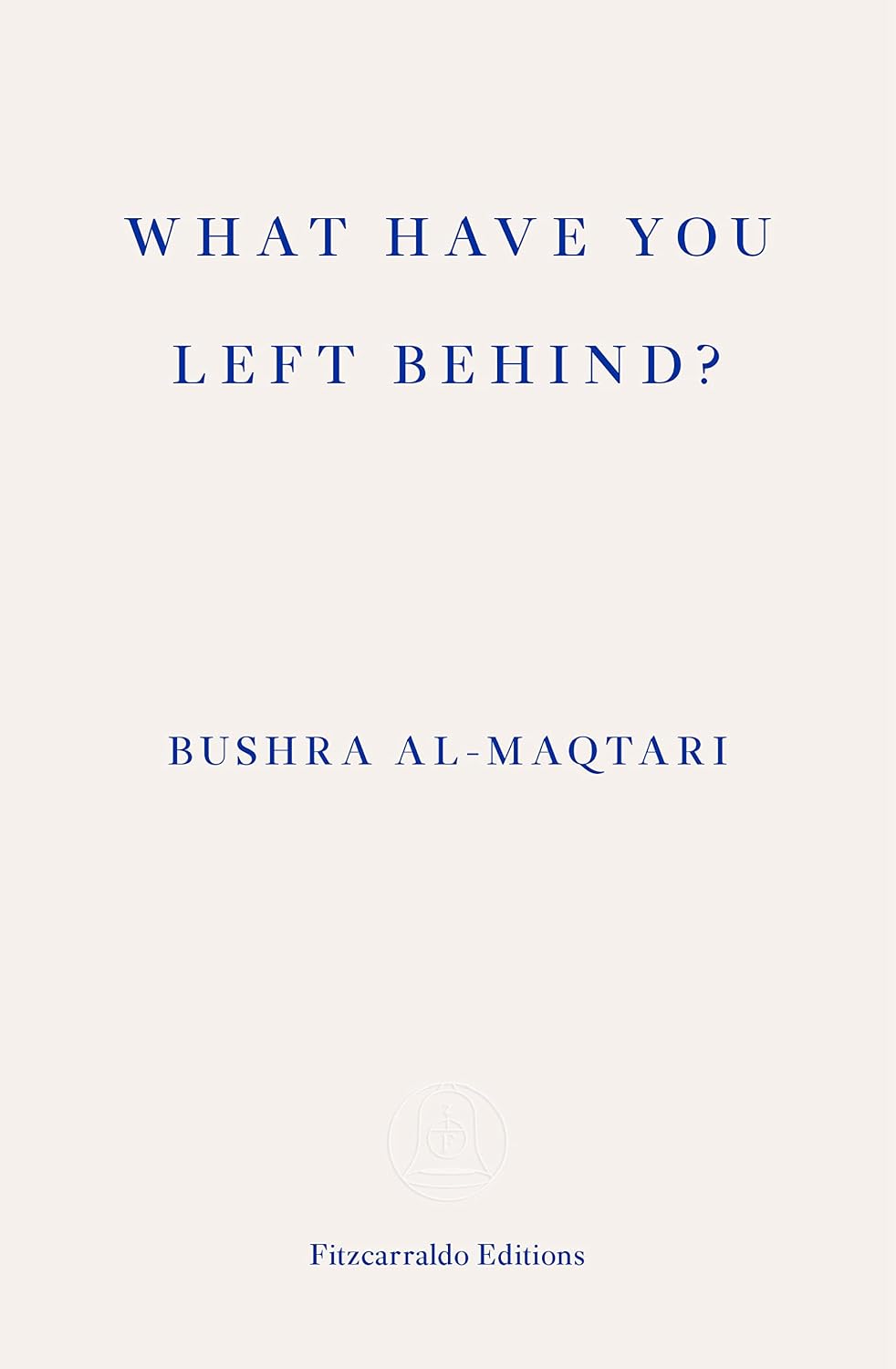
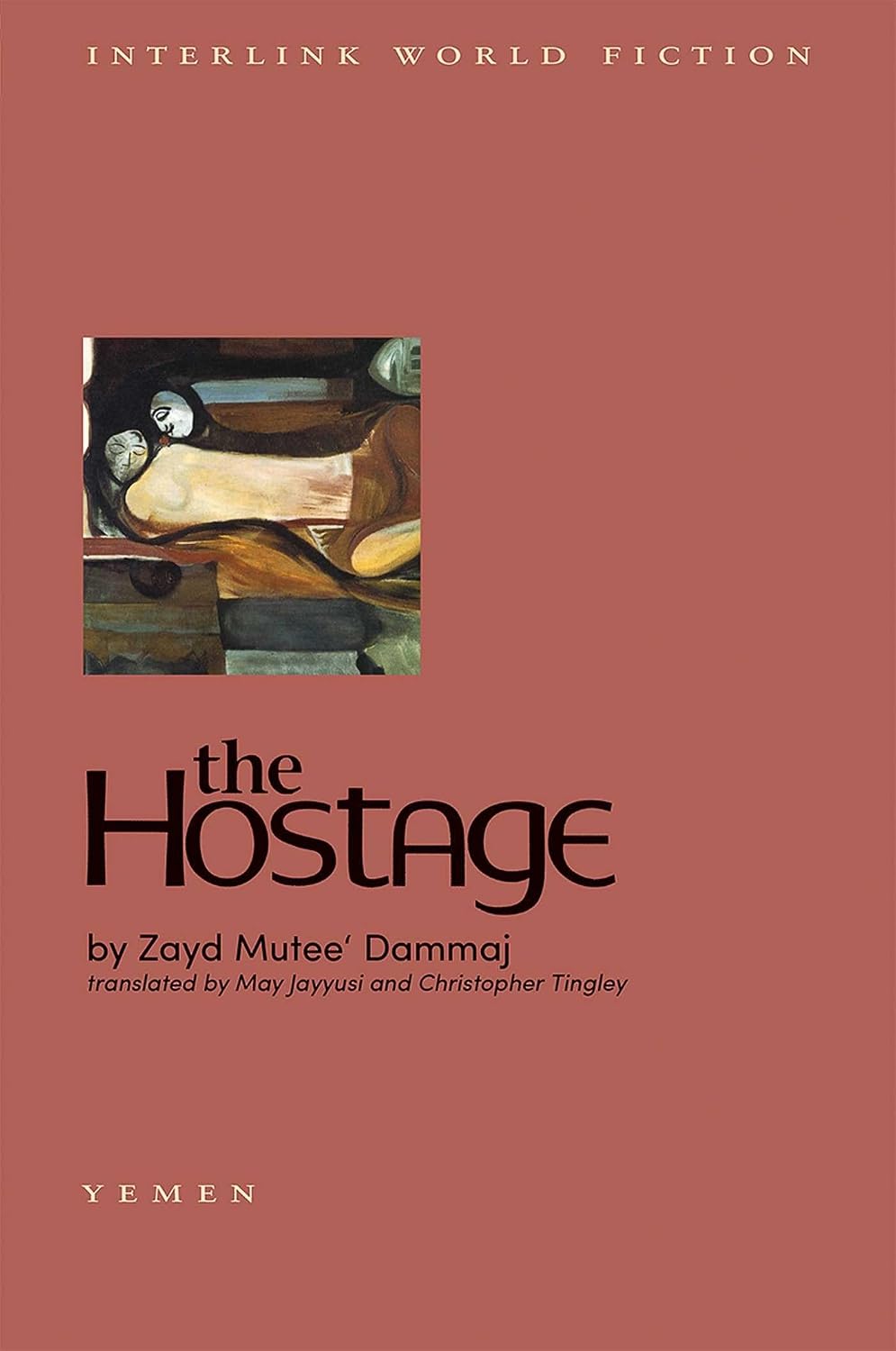
Yemeni literature has a long history shaped by oral poetry, folk songs, proverbs, religious scholarship, and the traditions of the wider Arabic-speaking world. Poetry has traditionally been central to social and political life, serving as a means of preserving history, expressing personal emotions, and commenting on public affairs. Yemen’s regional diversity has produced distinctive poetic forms and storytelling traditions, while its historical connections with East Africa, the Indian Ocean, and the Arabian Peninsula have contributed to a rich exchange of cultural influences. One of Yemen’s most celebrated modern writers is Abdulaziz Al-Maqaleh, a leading poet and literary critic whose work explored identity, history, and the relationship between tradition and modernity. Zayd Mutee Dammaj, author of The Hostage, is known for fiction examining power, social hierarchy, and life in traditional Yemeni society. Habib Abdulrab Sarori, a novelist and mathematician, explores migration, memory, and cultural identity in works such as The French Teacher. Wajdi al-Ahdal, author of A Land Without Jasmine, uses dark humor and unconventional storytelling to examine social restrictions and political realities. Yemeni women writers, including Arwa Abdu Othman, have also contributed to the preservation of folklore and the exploration of women’s experiences. Together, these voices reveal a literary tradition shaped by oral heritage, historical change, and the resilience of cultural expression.