Kosovo
Europe
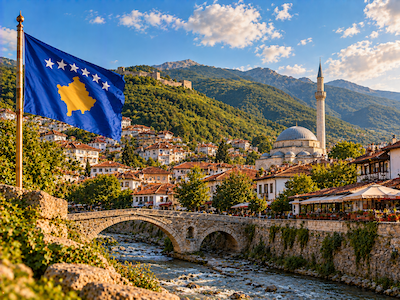
Kosovo is a landlocked country in the heart of the Balkans, characterized by rolling plains, forested mountains, river valleys, and historic towns. Its cultural landscape reflects centuries of interaction between Balkan, Ottoman, Slavic, Albanian, and other traditions. Pristina is the modern cultural center, while cities such as Prizren preserve Ottoman-era architecture, mosques, churches, stone bridges, and a strong multicultural heritage.
Kosovo’s literary tradition is closely connected to Albanian oral culture, including epic songs, legends, folk tales, proverbs, and historical storytelling. Albanian literature in Kosovo developed alongside broader Albanian literary traditions, while Serbian and other cultural traditions have also contributed to the region’s literary heritage. Modern Kosovar Albanian literature has frequently explored identity, language, war, displacement, memory, family, and the experience of migration. Important writers include Esad Mekuli, often regarded as a founding figure of modern Albanian literature in Kosovo, Azem Shkreli, known for his poetry and prose, and Rexhep Qosja, whose work spans literature, criticism, and cultural history. Contemporary writers continue to examine Kosovo’s recent history and the tensions between personal memory, collective identity, and a rapidly changing society.