Vietnam
Asia

Vietnam is a Southeast Asian country stretching along the eastern coast of the Indochinese Peninsula, known for its dramatic limestone karsts, emerald rice terraces, tropical forests, and bustling cities. From the mountainous landscapes of the north to the fertile Mekong Delta in the south, its geography has shaped centuries of agricultural traditions, trade, and cultural exchange. Hanoi, the capital, combines centuries-old temples and colonial architecture with lively street markets, while Ho Chi Minh City reflects the country’s rapid modernization. Vietnamese culture draws on indigenous traditions, Confucian and Buddhist philosophy, and historical connections with China and other Southeast Asian societies. Vietnamese is the official language, and family, community, ancestral remembrance, and seasonal celebrations remain important elements of cultural life.
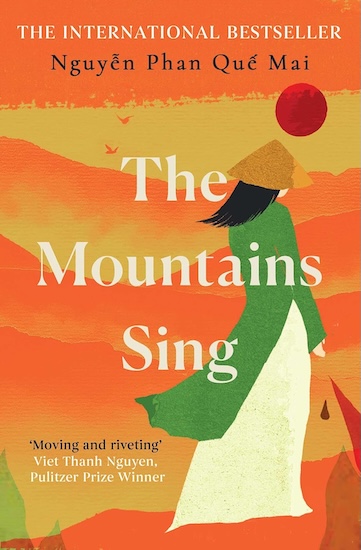
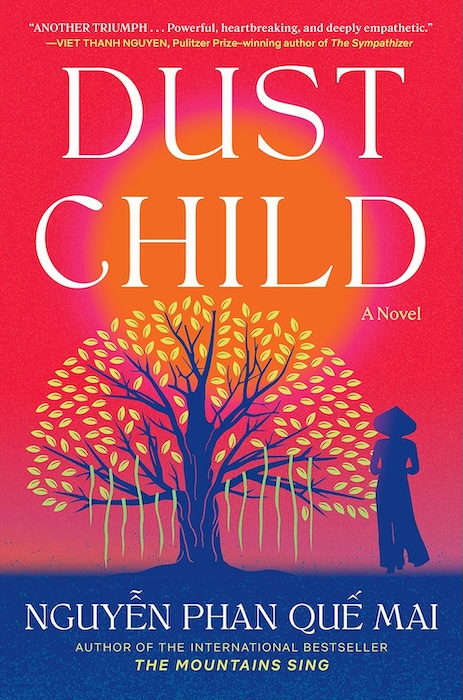
Vietnamese literature has developed through a rich interplay of oral storytelling, classical Chinese literary influence, and distinctive Vietnamese writing traditions. Folk tales, legends, proverbs, and epic poems have long preserved cultural memory and moral values. For centuries, educated writers used classical Chinese, while chữ Nôm allowed Vietnamese to be expressed through a writing system adapted from Chinese characters. The adoption of the modern Vietnamese Latin-based script later transformed literary publishing and education. Modern Vietnamese literature has explored colonialism, national identity, war, social change, family, and the lasting effects of displacement. One of Vietnam’s most celebrated literary works is The Tale of Kiều by Nguyễn Du, an epic poem following a young woman’s suffering, sacrifice, and resilience that remains central to Vietnamese cultural identity. Hồ Xuân Hương, an eighteenth- and nineteenth-century poet, is renowned for witty, often subversive poems that challenge social conventions and explore women’s experiences. Bảo Ninh, author of The Sorrow of War, offers a deeply personal portrayal of the psychological aftermath of the Vietnam War. Dương Thu Hương, known for Paradise of the Blind, examines family, ideology, and social transformation. Nguyễn Phan Quế Mai, whose novel The Mountains Sing follows several generations of a Vietnamese family, explores the human consequences of war and the endurance of memory. Together, these writers reveal the breadth of Vietnamese literature, from classical poetry to contemporary stories of history, identity, and survival.