Books from United States
Suggest a book
All genres
Historical Fiction
Literary Fiction
Fantasy
Romance
Horror
Thriller
Non-Fiction
Mystery
Memoir
Classics
History
Sci-Fi
Contemporary Fiction
Science Fiction
Fiction
Poetry
Essays
Family Saga
Magical Realism
Family Drama
Dark Academia
Psychological Fiction
Dark Comedy
Political Writing
Feminist Fiction
Satire
Campus Fiction
Cultural Studies
Biography
Philosophy
Comedy
Drama
Young Adult
Gothic
Dystopia
Crime
Children's Books
Short Stories
Mythology
Cozy
Retellings
Humour
Adventure
All themes
Love & Passion
Adventure & Journey
Identity & Belonging
War & Conflict
Freedom & Resistance
Family & Heritage
Nature & Landscape
Society & Class
Spirituality & Faith
Solitude & Exile
Coming of Age
Revolution & Change
Friendship
History
Immigration
Myths and Retellings
Colonialism
Women & Society
Mental Health
Motherhood
1
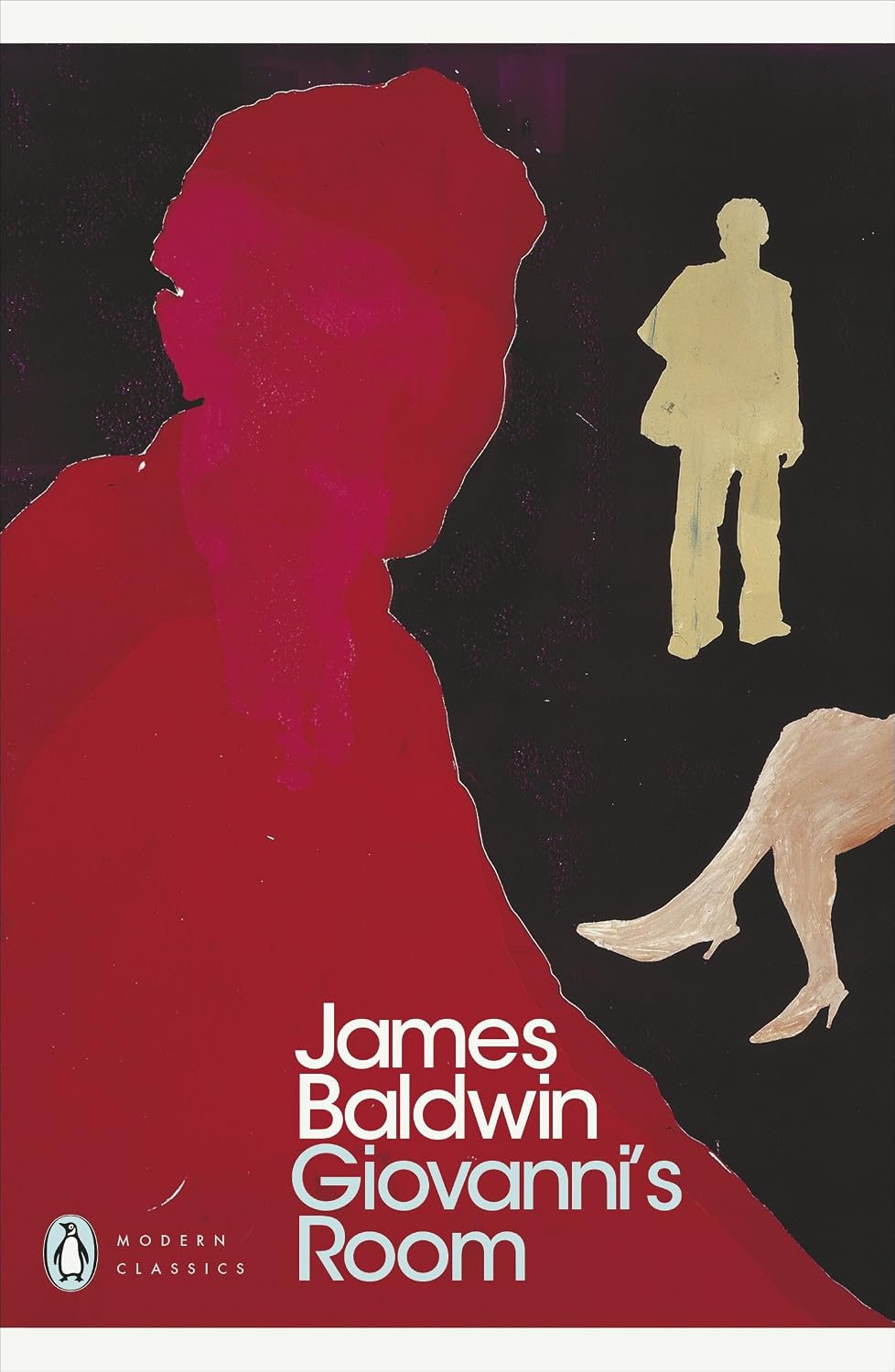
Giovanni's Room
Set primarily in Paris, Giovanni’s Room follows David, an American man struggling with his sexuality, his sense of masculinity, and his expectations for the future. While his fiancée is away, David begins a passionate relationship with Giovanni, an Italian bartender living in a small Parisian room. Unable to reconcile his feelings with the identity he believes society expects him to maintain, David becomes increasingly divided between desire and denial. Their relationship unfolds against a backdrop of isolation, shame, and emotional dependency. Baldwin explores the destructive consequences of refusing to acknowledge one’s own truth, examining how social expectations can shape intimate relationships. The novel is a powerful meditation on love, self-deception, and the courage required to accept oneself.
1956
2
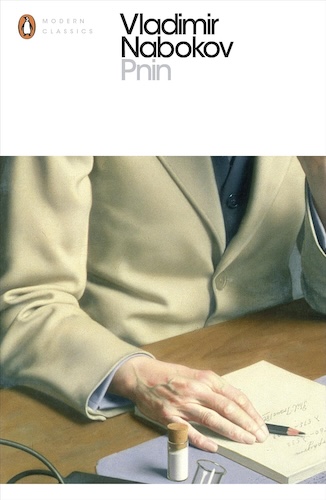
Pnin
Timofey Pnin, a Russian émigré teaching at an American college, struggles with an unfamiliar language, bewildering social customs, and the small humiliations of everyday life. Beneath his comic misadventures lies a tender portrait of exile, loneliness, and the fragile dignity of an outsider trying to find a place to belong. Both funny and quietly heartbreaking, Pnin reveals the melancholy behind the absurdities of a life lived between worlds.
1957
3
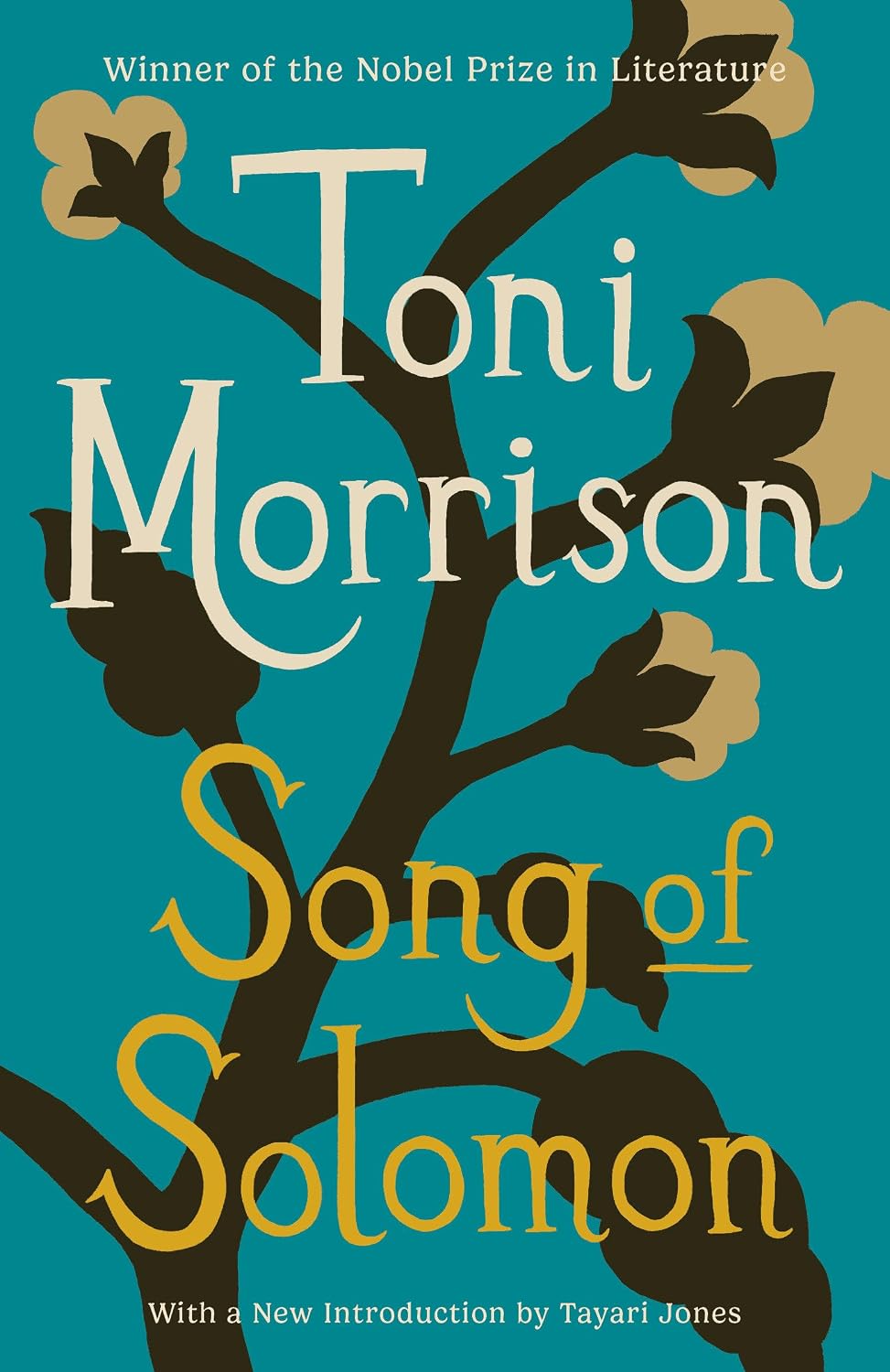
Song of Solomon
Song of Solomon follows Macon “Milkman” Dead III, a young Black man growing up in Michigan in a financially comfortable but emotionally troubled family. Feeling disconnected from his relatives and his own history, Milkman gradually embarks on a journey to discover his family’s origins. His search takes him into the history, folklore, and traditions of Black communities in the American South, revealing stories of love, violence, survival, and freedom. As he uncovers the lives of those who came before him, he begins to understand how personal identity is shaped by inherited memories and forgotten histories. Morrison combines realism, myth, and magical elements in a novel about ancestry, belonging, and self-discovery.
1977
4
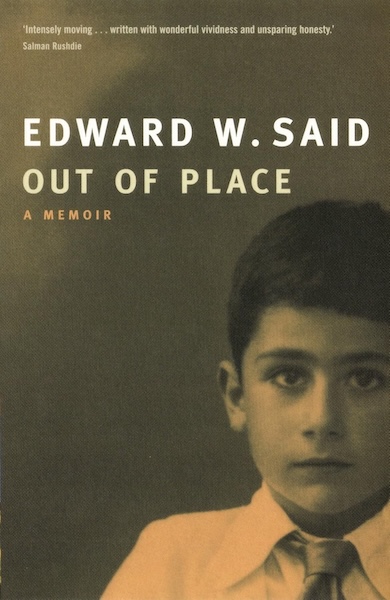
Out Of Place: A Memoir
What does it mean to belong when home is never quite one place?
In Out of Place, Edward W. Said recounts his childhood and early adulthood across Jerusalem, Cairo, and the United States. Born into a Palestinian family in 1935, he grew up moving between cultures, languages, and expectations, often feeling that he did not fully belong anywhere.
With candour and introspection, Said revisits his complicated relationships with his family, his education, and the competing identities that shaped him. His memories reveal the intimate experience behind his later work on exile, culture, and displacement, offering a personal perspective on the historical upheavals of the twentieth century.
More than a conventional autobiography, Out of Place is a meditation on memory and belonging—and on the enduring experience of living between worlds.
1999
5
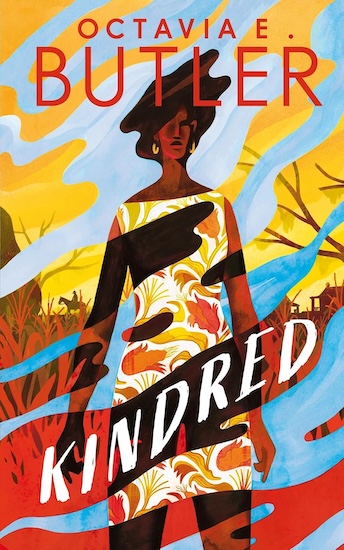
Kindred
In Kindred, Dana, a young Black writer living in California in 1976, is unexpectedly transported through time to an antebellum Maryland plantation. Each time she arrives in the past, she encounters Rufus Weylin, the white son of a plantation owner whose survival becomes mysteriously linked to her own. As Dana is repeatedly pulled between her modern life and the brutal realities of slavery, she must navigate a world where her freedom and safety are constantly threatened. Her relationship with Rufus grows increasingly complicated as she struggles to protect her ancestors while preserving her own identity and humanity. Blending historical fiction and science fiction, Octavia E. Butler explores slavery, racism, power, and the enduring consequences of historical violence. The novel offers a deeply personal examination of how the past shapes the present and challenges our understanding of freedom, survival, and belonging.
2003
6
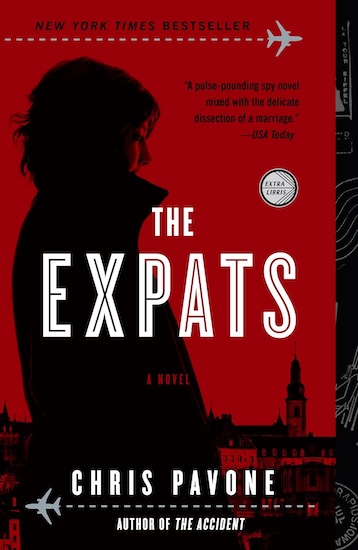
The Expats
Kate Moore appears to have built a comfortable new life in Luxembourg. After her husband accepts a lucrative job abroad, she leaves Washington, D.C., behind and settles into the routines of expatriate life: school drop-offs, coffee mornings, and weekend trips around Europe. But Kate is hiding a dangerous secret about her past, and the ordinary life she has constructed is becoming increasingly difficult to maintain.
When Kate begins to suspect that another American couple in Luxembourg are not who they claim to be, her suspicions grow. Her husband is also behaving strangely, and his work for an undisclosed banking client raises questions she cannot ignore. As she investigates the people around her, Kate discovers that the lives of the expatriates in her seemingly peaceful community are far more complicated than they appear.
Moving between the polished world of international professionals and the shadowy realm of espionage, Pavone builds a suspenseful story of deception, double-crossing, and hidden identities. The novel explores how people reinvent themselves when they move abroad, whether it is possible to escape one’s past, and how secrets can undermine even the closest relationships. The Expats won both the Edgar Award and the Anthony Award for Best First Novel in 2013.
2013
7
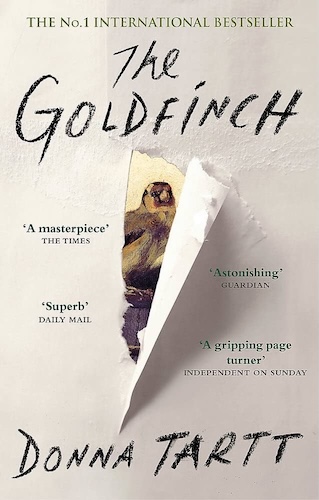
The Goldfinch
After a devastating accident kills his mother, thirteen-year-old Theo Decker finds himself clinging to a small, captivating painting that connects him to her. As he grows older, the artwork draws him into a world of wealth, deception, and the criminal art trade. Winner of the 2014 Pulitzer Prize for Fiction, this sweeping novel explores grief, obsession, and the mysterious ways beauty can shape a life.
2013
8
Her Body and Other Parties: Stories
In this electric and provocative debut, Carmen Maria Machado bends genre to shape startling narratives that map the realities of women's lives and the violence visited upon their bodies. A wife refuses her husband's entreaties to remove the green ribbon from around her neck. A woman recounts her sexual encounters as a plague slowly consumes humanity. A salesclerk in a mall makes a horrifying discovery within the seams of the store's prom dresses. One woman's surgery-induced weight loss results in an unwanted houseguest. And in the bravura novella 'Especially Heinous,' Machado reimagines every episode of Law & Order: Special Victims Unit, a show naively assumeded had shown it all, generating a phantasmagoric police procedural full of doppelgangers, ghosts, and girls with bells for eyes.
2017
9
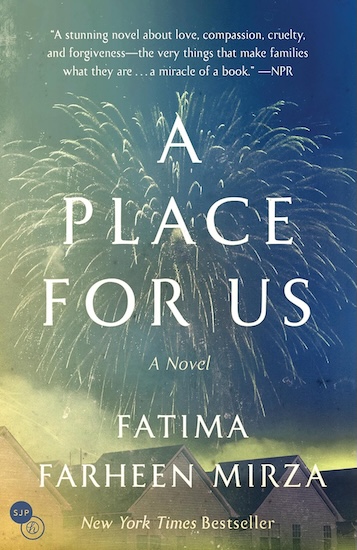
A Place for Us
A Place for Us explores the complicated bonds of an Indian-American Muslim family as its members navigate the tensions between cultural heritage, religious expectations, and personal freedom. The story begins at the wedding of Hadia, the eldest daughter of Rafiq and Layla, whose decision to marry for love rather than tradition reflects her determination to live on her own terms. The occasion also brings home her estranged younger brother, Amar, who returns to the family after three years of separation.
Through shifting perspectives and memories, Mirza gradually reveals the events that fractured the family. Rafiq and Layla emigrated from India to the United States hoping to give their children better opportunities while preserving their cultural and religious traditions. Yet their children’s experiences of growing up between two cultures create tensions that neither generation knows how to resolve. Hadia seeks independence, Huda follows her sister’s example, and Amar struggles with questions of faith, belonging, and his father’s expectations.
With tenderness and psychological insight, Mirza examines how love can coexist with disappointment, how silence can deepen family wounds, and how difficult it can be to understand those closest to us. The novel offers a nuanced portrait of the immigrant experience, exploring the challenge of building an identity that honours one’s heritage without sacrificing individuality. Ultimately, it asks whether a family can find its way back to one another after years of hurt and misunderstanding.
2018
10
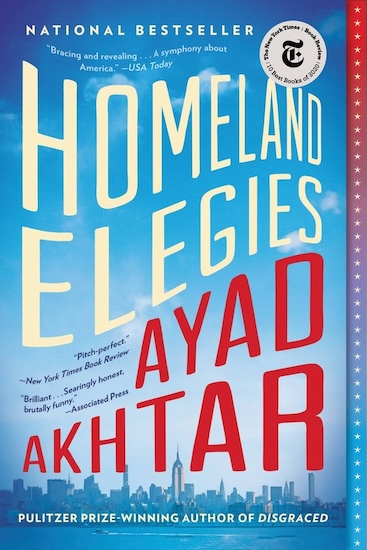
Homeland Elegies
Homeland Elegies blends fiction, memoir, and social commentary to explore what it means to be Muslim, Pakistani American, and American in a country struggling with questions of race, religion, patriotism, and belonging.
The novel follows a fictionalised version of Ayad Akhtar and his relationship with his father, a Pakistani immigrant and devoted admirer of Donald Trump. As father and son navigate their complicated relationship, their personal experiences unfold against the backdrop of post-9/11 America, where Islamophobia, political division, and economic insecurity have reshaped the lives of immigrant communities.
Moving between family memories, political reflections, cultural criticism, and encounters with people across different social worlds, Akhtar examines the contradictions of the American Dream. His narrator grapples with the privileges and prejudices of American society, the burden of inherited expectations, and the tension between wanting to belong to a country and feeling rejected by it.
Rather than presenting a straightforward autobiographical account, Akhtar deliberately blurs the boundaries between truth and invention. The result is an intimate and provocative portrait of a nation wrestling with its identity, told through the experiences of a family whose personal struggles mirror America’s broader divisions.
2020
11
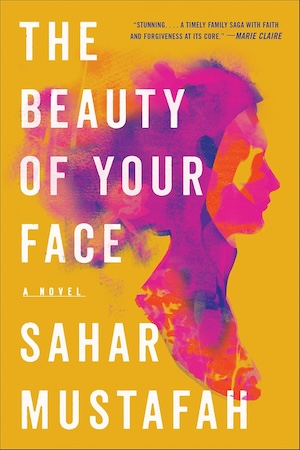
The Beauty of Your Face
On an ordinary morning in suburban Chicago, a masked gunman storms an Islamic school, forcing principal Afaf Rahman to confront the memories she has spent a lifetime trying to escape. As she guides her students toward safety, her thoughts return to her childhood as the daughter of Palestinian immigrants, her family’s struggles with faith and belonging, and the devastating events that shaped her life. From her father’s growing disillusionment with America to her sister’s rebellion and her own complicated relationship with Islam, Afaf’s story unfolds across decades of love, loss, and searching. Against a backdrop of rising Islamophobia and cultural alienation, The Beauty of Your Face explores what it means to hold on to faith when the world seems determined to turn you into an outsider. Intimate and deeply moving, it is a novel about sisterhood, resilience, and the possibility of finding beauty and belonging in the most unexpected places.
2020
12
Interior Chinatown
Interior Chinatown follows Willis Wu, a Taiwanese American man living in Los Angeles who dreams of becoming the protagonist of his own story. Instead, he finds himself trapped in stereotypical supporting roles on a television police drama, where Asian American actors are routinely cast as background characters, sidekicks, and criminals. Willis hopes to move beyond his recurring role as Generic Asian Man and eventually achieve the status of Kung Fu Guy, the highest position he believes someone like him can reach.
Presented in the format of a screenplay, complete with stage directions and scenes, the novel blends satire, drama, and social commentary. As Willis pursues his ambitions, he confronts the limitations imposed by racial stereotypes and the expectations of his family and community. His personal journey becomes an exploration of what it means to be seen, to belong, and to define oneself beyond the roles assigned by others.
Through its inventive structure and sharp humour, Yu examines representation, assimilation, generational conflict, and the struggle to claim an authentic identity in a society that often reduces people to familiar caricatures.
2020