Books from United States
Suggest a book
All genres
Historical Fiction
Literary Fiction
Fantasy
Romance
Horror
Thriller
Non-Fiction
Mystery
Memoir
Classics
History
Sci-Fi
Contemporary Fiction
Science Fiction
Fiction
Poetry
Essays
Family Saga
Magical Realism
Family Drama
Dark Academia
Psychological Fiction
Dark Comedy
Political Writing
Feminist Fiction
Satire
Campus Fiction
Cultural Studies
Biography
Philosophy
Comedy
Drama
Young Adult
Gothic
Dystopia
Crime
Children's Books
Short Stories
Mythology
Cozy
Retellings
Humour
Adventure
All themes
Love & Passion
Adventure & Journey
Identity & Belonging
War & Conflict
Freedom & Resistance
Family & Heritage
Nature & Landscape
Society & Class
Spirituality & Faith
Solitude & Exile
Coming of Age
Revolution & Change
Friendship
History
Immigration
Myths and Retellings
Colonialism
Women & Society
Mental Health
Motherhood
1
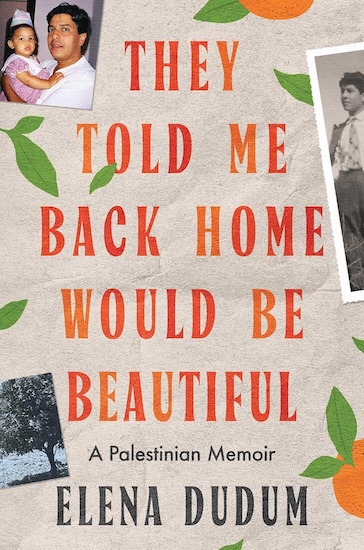
They Told Me Back Home Would Be Beautiful
Raised in a Palestinian Christian family in San Francisco, Elena Dudum grows up surrounded by her father’s stories of a homeland her grandparents were forced to leave. For years, she resists this inheritance, trying to fit into American life and escape the weight of a history she struggles to claim. But a visit to Palestine brings the realities of occupation, displacement, and her family’s past into sharp focus. Weaving together family memories, archival discoveries, and political reflection, this intimate memoir traces one woman’s journey from estrangement to belonging—and her determination to reclaim a heritage that cannot be erased.
2027
2
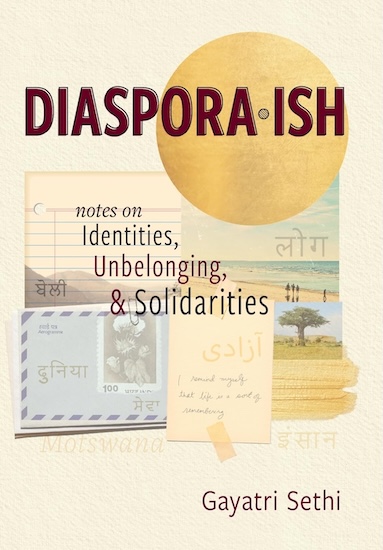
Diaspora-ish: Notes on Identities, Unbelonging, & Solidarities
What does it mean to belong when your identity crosses borders, cultures, and histories? Drawing on her own journey from Tanzania to Botswana and the United States, Gayatri Sethi challenges conventional ideas about nationality, race, ethnicity, and belonging. Blending personal reflections, poetry, academic insights, and interactive exercises, she explores how colonialism, racism, immigration, and inherited cultural expectations shape the ways people understand themselves and others. Moving beyond individual identity, Sethi asks how people from different backgrounds can build meaningful solidarities without erasing their differences. Thought-provoking and deeply personal, this book invites readers to question the boundaries that divide us and imagine a more inclusive vision of collective liberation.
2026
3
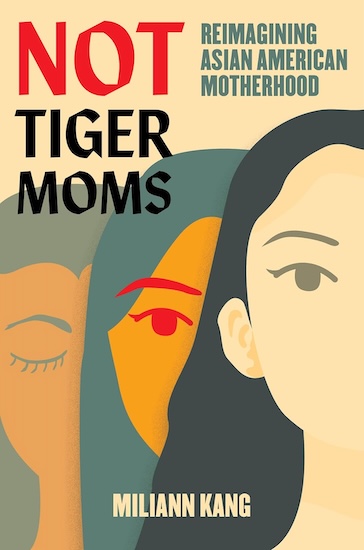
Not Tiger Moms: Reimagining Asian American Motherhood
Asian American mothers are often reduced to a familiar stereotype: strict, demanding parents obsessed with their children’s academic success. In Not Tiger Moms, sociologist Miliann Kang challenges this narrow narrative, revealing how racism and xenophobia shape perceptions of Asian American motherhood. Drawing on candid interviews with mothers born or raised primarily in the United States, Kang explores the pressures they face as they navigate parenting, cultural identity, education, work, and belonging. Their stories reveal lives far more complex than the stereotypes allow, exposing the contradictions between being seen as a model minority and being treated as perpetual outsiders. Thoughtful and illuminating, this book reimagines motherhood beyond racial expectations and asks how society might better support mothers in all their diversity.
2026
4
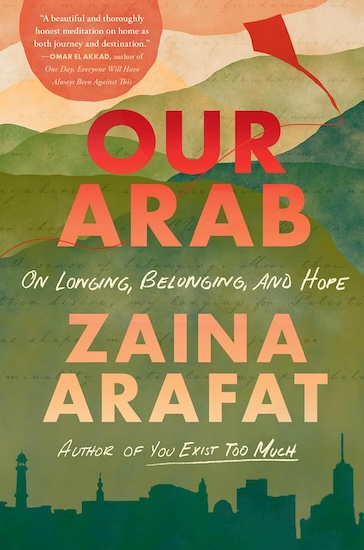
Our Arab
What does it mean to belong to a homeland you may never fully know? In this moving collection of essays, Palestinian-American writer Zaina Arafat explores the complexities of diaspora, inherited memory, and the longing for home. Moving between Nablus, Amman, the Appalachian Mountains, and Manhattan, she weaves together her family’s history, her experiences of identity and motherhood, and the pain of watching Palestine from afar. With tenderness, anger, and sharp insight, Arafat examines what it means to preserve a culture across generations while confronting displacement, erasure, and the shifting meaning of belonging. Our Arab is both an intimate family portrait and a powerful meditation on what it means to be Palestinian today.
2026
5
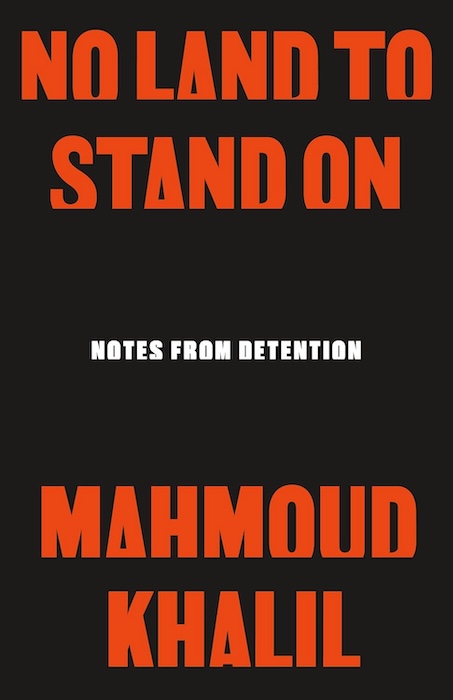
No Land to Stand On: Notes from Detention
In this powerful memoir, Palestinian activist Mahmoud Khalil recounts his detention by U.S. Immigration and Customs Enforcement (ICE) in March 2025 and the fight against his threatened deportation. A Columbia University graduate student and legal permanent resident, Khalil became a prominent voice in student protests against the war in Gaza. His arrest separated him from his pregnant wife and home in New York, transporting him to a detention facility in Louisiana, where he faced uncertainty about his future and the possibility of being forcibly removed from the country.
Drawing on the diary he kept during his imprisonment, Khalil describes the psychological toll of detention, the precarious lives of fellow detainees, and the unexpected solidarity that develops among people deprived of their freedom. He also traces his family’s history of displacement—from Palestine to a refugee camp in Syria—and his own journey through Lebanon to the United States. Combining personal testimony with political reflection, this memoir examines exile, belonging, and the consequences of speaking out against injustice. It asks what freedom and security truly mean when a person’s right to remain at home can be challenged for exercising their right to protest.
2026
6
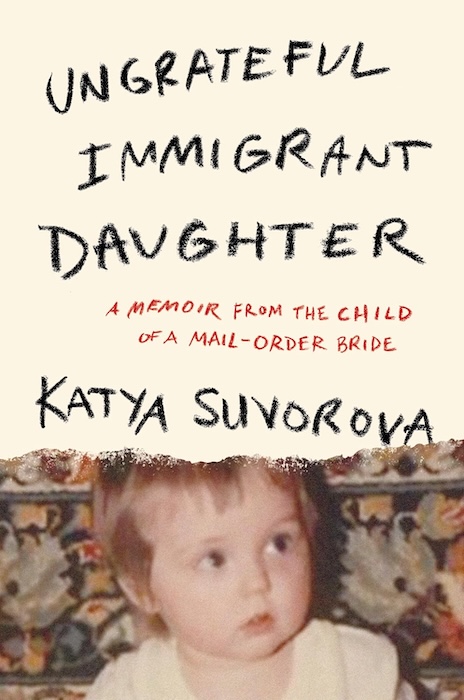
Ungrateful Immigrant Daughter
In this darkly humorous and deeply personal memoir, Katya Suvorova recounts her childhood as an undocumented Russian immigrant in Houston, Texas, after her mother brought her to the United States in search of a better life. Arriving at just three years old, Katya grows up amid instability, poverty, and a succession of her mother’s husbands. Instead of experiencing a carefree childhood, she learns to navigate a world of uncertainty while taking on responsibilities far beyond her age, including caring for her younger sister.
At seventeen, Katya discovers her mother’s advertisement in a mail-order bride catalogue from the 1990s, prompting her to reconsider her family’s history and the sacrifices behind their immigration. As she grows older, she confronts painful questions about motherhood, obligation, and whether a child’s future must be repayment for a parent’s sacrifices.
Combining sharp humour with an unflinching account of family trauma, Suvorova explores immigration, generational conflict, and the complicated relationship between gratitude and personal freedom.
2026
7
Until the Last Gun Is Silent
Until the Last Gun Is Silent examines the role of Black Americans in the Vietnam War and the movement to bring the conflict to an end. Historian Matthew F. Delmont traces the experiences of Black servicemen, veterans, activists, and peace protesters who confronted both the violence of war abroad and racial injustice at home. Their stories reveal the contradictions of fighting for democracy overseas while experiencing discrimination within the United States. The book also explores how Black communities challenged official narratives about military service, patriotism, and the purpose of the war. By connecting battlefield experiences with political activism and the struggle for civil rights, Delmont presents a broader account of the forces that helped end American involvement in Vietnam and reshape debates about citizenship, equality, and national responsibility.
2026
8
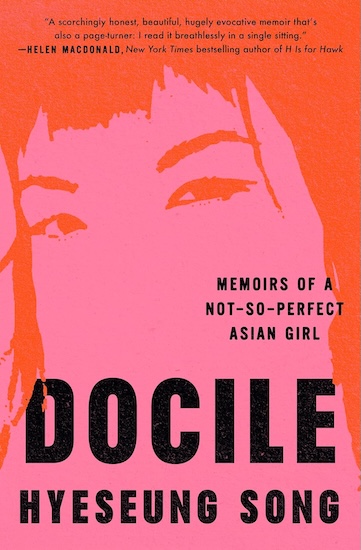
Docile: Memoirs of a Not-So-Perfect Asian Girl
Raised by ambitious Korean immigrant parents in Texas, Hyeseung Song grows up believing that achievement is the price of acceptance. She earns her place at an Ivy League university, striving to embody the model minority ideal while struggling with depression, family expectations, and a fractured sense of belonging. But when academic success and parental approval can no longer sustain her, she faces a painful reckoning with the life she has been taught to pursue. Through mental illness, a psychiatric hospitalization, and her eventual embrace of painting, Song begins to reclaim her identity beyond the expectations imposed on her. Docile is an unflinching memoir about the cost of perfection, the complexities of mother-daughter relationships, and the courage to build a life that feels authentically one’s own.
2024
9
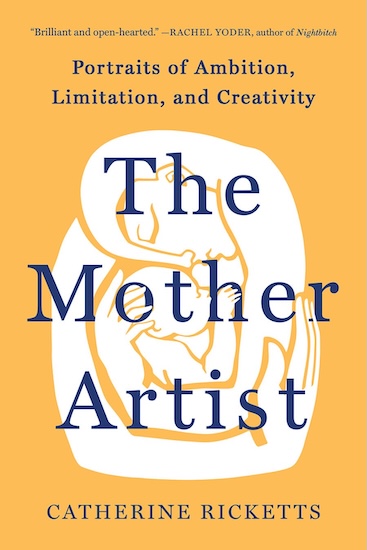
The Mother Artist: Portraits of Ambition, Limitation, and Creativity
Can a woman nurture both her children and her creative ambitions without sacrificing part of herself? Blending memoir, biography, and art criticism, Catherine Ricketts explores the complicated relationship between motherhood and artistic expression. Through her own experiences and the lives of remarkable women—including Toni Morrison, Joan Didion, Ruth Asawa, and Alice Neel—she examines how pregnancy, caregiving, grief, and domestic responsibilities shape the creative process. Thoughtful and deeply compassionate, this book challenges the idea that motherhood and ambition must compete, celebrating the women who continue to create despite the limitations imposed on their time, bodies, and freedom.
2024
10
Wayward Lives, Beautiful Experiments
At the dawn of the twentieth century, black women in the US were carving out new ways of living. The first generations born after emancipation, their struggle was to live as if they really were free.
These women refused to labour like slaves. Wrestling with the question of freedom, they invented forms of love and solidarity outside convention and law. These were the pioneers of free love, common-law and transient marriages, queer identities, and single motherhood - all deemed scandalous, even pathological, at the dawn of the twentieth century, though they set the pattern for the world to come.
In Wayward Lives, Beautiful Experiments, Saidiya Hartman deploys both radical scholarship and profound literary intelligence to examine the transformation of intimate life that they instigated. With visionary intensity, she conjures their worlds, their dilemmas, their defiant brilliance.
2020
11
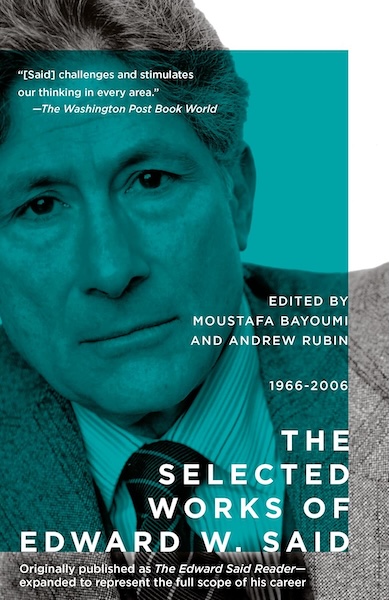
The Selected Works of Edward Said, 1966 - 2006
How do literature, culture, and politics shape the way we understand the world? And whose voices are missing from the stories history tells?
The Selected Works of Edward Said brings together key writings from four decades of one of the most influential intellectuals of the twentieth century. Edited by Moustafa Bayoumi and Andrew Rubin, this expanded collection traces Said’s thinking across subjects ranging from colonialism and Palestinian identity to literature, music, media, and the responsibilities of intellectuals.
Featuring selections from Orientalism, Culture and Imperialism, and Out of Place, alongside important essays and later writings, the collection offers an overview of Said’s evolving ideas about power, representation, and cultural identity.
Essential for understanding Said’s intellectual legacy, this volume reveals how cultural narratives influence political realities—and why questioning dominant perspectives remains vital.
2007
12
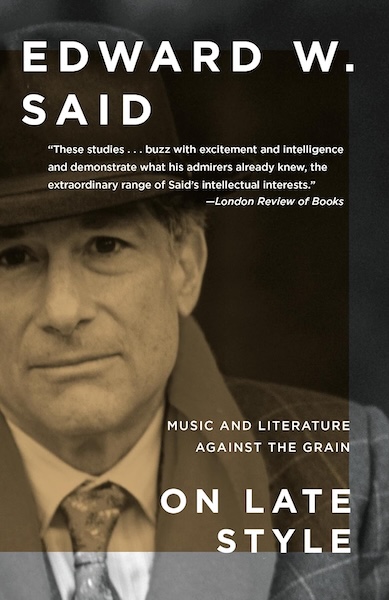
On Late Style: Music and Literature Against the Grain
What happens when great artists approach the end of their lives—and begin creating works that refuse to offer comfort, harmony, or easy answers?
In On Late Style, Edward W. Said explores the final works of celebrated composers, writers, and artists, including Beethoven, Mozart, Thomas Mann, and Jean Genet. He challenges the assumption that artistic maturity naturally leads to wisdom and reconciliation, arguing instead that some creators produce their most challenging work late in life, embracing contradiction, resistance, and unresolved tensions.
Drawing on music, literature, opera, and film, Said examines how artists confront their own mortality while remaining at odds with the cultural expectations of their time. The result is a compelling reflection on creativity, ageing, and the courage to resist conventional ideas of artistic perfection.
Published posthumously in 2006, this unfinished final work reflects Said’s own lifelong commitment to intellectual independence and the power of art to challenge established assumptions.
2006