Books from United States
Suggest a book
All genres
Historical Fiction
Literary Fiction
Fantasy
Romance
Horror
Thriller
Non-Fiction
Mystery
Memoir
Classics
History
Sci-Fi
Contemporary Fiction
Science Fiction
Fiction
Poetry
Essays
Family Saga
Magical Realism
Family Drama
Dark Academia
Psychological Fiction
Dark Comedy
Political Writing
Feminist Fiction
Satire
Campus Fiction
Cultural Studies
Biography
Philosophy
Comedy
Drama
Young Adult
Gothic
Dystopia
Crime
Children's Books
Short Stories
Mythology
Cozy
Retellings
Humour
Adventure
All themes
Love & Passion
Adventure & Journey
Identity & Belonging
War & Conflict
Freedom & Resistance
Family & Heritage
Nature & Landscape
Society & Class
Spirituality & Faith
Solitude & Exile
Coming of Age
Revolution & Change
Friendship
History
Immigration
Myths and Retellings
Colonialism
Women & Society
Mental Health
Motherhood
1
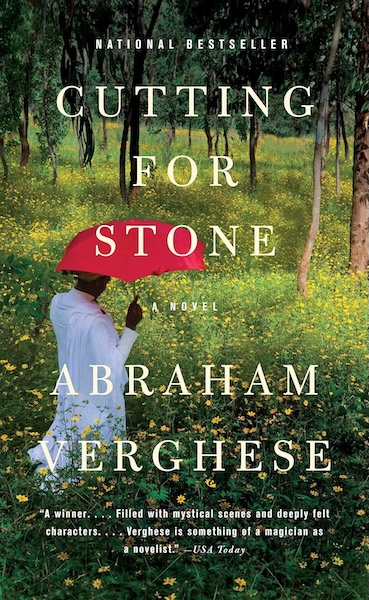
Cutting for Stone
In 1950s Addis Ababa, Ethiopia, twin brothers Marion and Shiva Stone are born from a secret relationship between an Indian nun and a British surgeon at a mission hospital. Their mother dies during childbirth, and their father disappears, leaving the twins to be raised by two devoted doctors who become their adoptive parents. Growing up surrounded by the world of medicine, the brothers develop an extraordinary bond and a shared fascination with surgery.
But as Ethiopia approaches revolution, their lives become entangled in forbidden love, jealousy, and betrayal. A devastating rupture drives Marion into exile in the United States, where he must confront the past he has tried to escape. When circumstances eventually bring him back to the world of his childhood, he faces the people and choices that shaped his life—and discovers that healing some wounds requires more than surgical skill.
Spanning continents and decades, Cutting for Stone is an epic story of brotherhood, sacrifice, and the complicated ties between parents and children. Abraham Verghese combines the intimate drama of a family saga with the intricate world of medicine, exploring how love, loss, and the accidents of birth can shape a person’s destiny.
2009
2
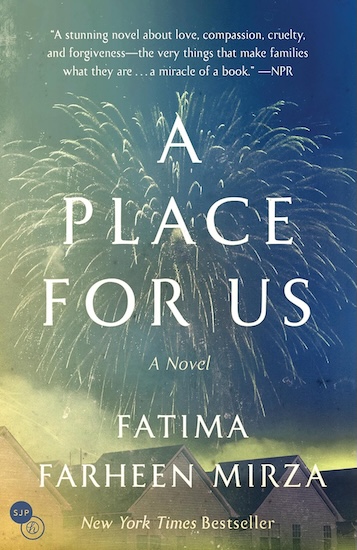
A Place for Us
A Place for Us explores the complicated bonds of an Indian-American Muslim family as its members navigate the tensions between cultural heritage, religious expectations, and personal freedom. The story begins at the wedding of Hadia, the eldest daughter of Rafiq and Layla, whose decision to marry for love rather than tradition reflects her determination to live on her own terms. The occasion also brings home her estranged younger brother, Amar, who returns to the family after three years of separation.
Through shifting perspectives and memories, Mirza gradually reveals the events that fractured the family. Rafiq and Layla emigrated from India to the United States hoping to give their children better opportunities while preserving their cultural and religious traditions. Yet their children’s experiences of growing up between two cultures create tensions that neither generation knows how to resolve. Hadia seeks independence, Huda follows her sister’s example, and Amar struggles with questions of faith, belonging, and his father’s expectations.
With tenderness and psychological insight, Mirza examines how love can coexist with disappointment, how silence can deepen family wounds, and how difficult it can be to understand those closest to us. The novel offers a nuanced portrait of the immigrant experience, exploring the challenge of building an identity that honours one’s heritage without sacrificing individuality. Ultimately, it asks whether a family can find its way back to one another after years of hurt and misunderstanding.
2018
3
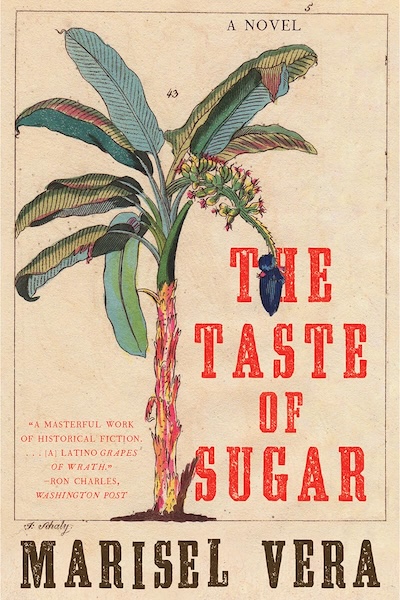
The Taste of Sugar
In late nineteenth-century Puerto Rico, seventeen-year-old Valentina Sánchez dreams of romance and a life beyond the expectations of her family. She marries Vicente Vega, a coffee farmer from the mountainous region of Utuado, hoping their love will bring happiness. But married life proves far more difficult than she imagined. Poverty, family tensions, and the struggle to keep their farm afloat threaten their future, while political upheaval transforms the island around them.
Following the Spanish-American War and the devastating San Ciriaco hurricane of 1899, Puerto Rico comes under American rule, and the Vegas lose their livelihood. Promised prosperity, Vicente and Valentina join thousands of Puerto Ricans who migrate to Hawaii to work on sugar plantations. Instead of the fresh start they hoped for, they encounter harsh working conditions, exploitation, and broken promises. Spanning generations and continents, The Taste of Sugar traces one family’s struggle to survive amid colonial domination and economic injustice. Marisel Vera brings a neglected chapter of Puerto Rican history to life, exploring how love, family, and resilience endure when the promise of a better future comes at an extraordinary cost.
2020
4
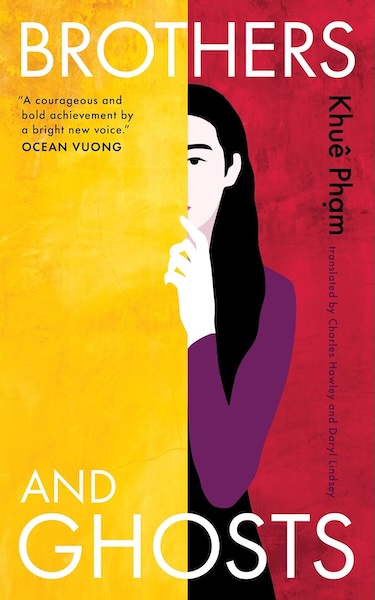
Brothers and Ghosts
Some families carry their history in photographs and stories. Others bury it in silence, leaving the next generation to piece together the fragments.
Kiều, a Vietnamese-German journalist living in Berlin, calls herself Kim because it is easier for Europeans to pronounce. She has spent years distancing herself from her Vietnamese heritage, content to live without asking too many questions about her family’s past. But when an unexpected message arrives from her estranged uncle in California announcing that her grandmother is dying, the carefully maintained distance begins to collapse.
Travelling to America with her parents, Kiều encounters a family divided by the Vietnam War. Her father supported the communist revolution, while his brother sided with the Americans. Decades of silence have left their competing memories unresolved, and the family reunion brings buried conflicts, painful loyalties, and forgotten stories back to the surface.
Moving between generations and continents, Brothers and Ghosts explores how war shapes families long after the fighting ends. Khuê Phạm examines the complicated inheritance of migration: the languages lost, identities reshaped, and histories passed down incompletely. It is a moving story about belonging, memory, and the courage to ask questions that previous generations could not bear to answer.
2024
5
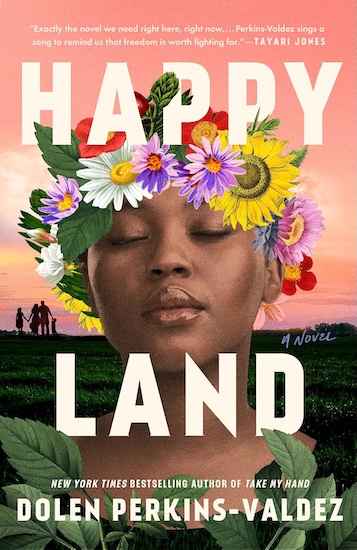
Happy Land
In Happy Land, Dolen Perkins-Valdez uncovers a remarkable chapter of African American history through the story of a family whose identity is deeply rooted in the legacy of a forgotten kingdom.
Nikki Berry has been estranged from her grandmother, Mother Rita, for years. When her grandmother unexpectedly summons her to the mountains of western North Carolina, Nikki hopes to understand the family conflict that has separated generations. Instead, she discovers a story that transforms her understanding of her ancestry: her great-great-great-grandmother, Luella, was the queen of the Kingdom of the Happy Land, a real community established by formerly enslaved people after the American Civil War.
As Nikki learns more about the kingdom and the lives of those who built it, she discovers how her ancestors created a place of independence and belonging in a society that continued to deny Black Americans equality. But the family’s connection to the land faces a new threat when outside interests seek to take it away. Nikki must confront both the secrets that have shaped her family and the responsibility of protecting its inheritance.
Moving between Nikki’s present-day struggles and Luella’s nineteenth-century experiences, Perkins-Valdez weaves together two generations of women whose lives are shaped by the pursuit of freedom, dignity, and self-determination. The novel explores the importance of ancestral memory, the lasting consequences of racial injustice, and the deep connection between land and identity.
Inspired by the historical Kingdom of the Happy Land, the novel celebrates the courage of people who dared to imagine a different future and asks what it means to preserve a legacy for generations to come.
2025
6
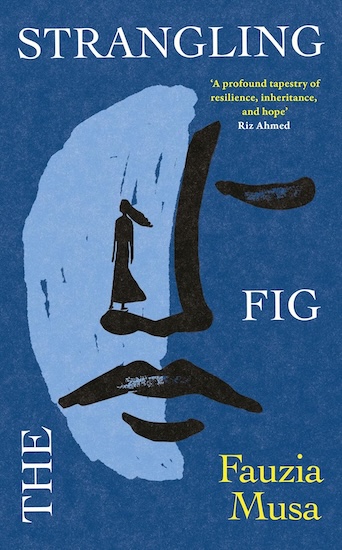
The Strangling Fig
Spanning generations and continents, The Strangling Fig explores the lasting impact of grief, family secrets, and inherited trauma on the lives of women in one Muslim family.
Hyderabad, 1946: Ashraf is a young girl when her father is murdered on the eve of the Partition of British India. His death transforms her relationship with her mother, leaving Ashraf emotionally isolated and searching for the affection she can no longer find at home. As she grows older, the wounds of her childhood shape her choices in love, marriage, and motherhood, influencing her relationship with her own daughter.
California, 2002: Sixteen-year-old Seher feels abandoned by her mother and struggles to find a place for herself. When she begins seeing the ghost of her grandmother, Ashraf, she finds the guidance and emotional connection she has been missing. But as Seher becomes increasingly dependent on this supernatural presence, she discovers that the bond offers comfort at a troubling cost.
Moving between India and the United States, Musa weaves together the experiences of women separated by generations but connected by family history and unresolved pain. Blending family drama with elements of magical realism, the novel examines how loss and emotional wounds can be passed from mother to daughter—and whether understanding the past can help break the cycle.
2026
7
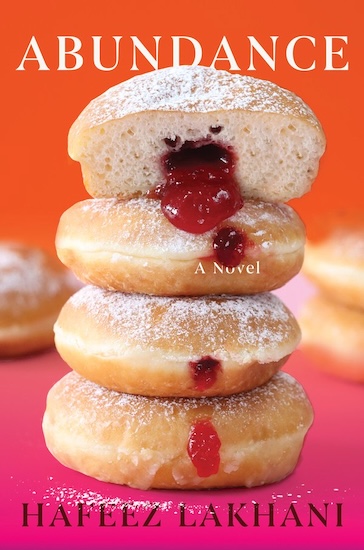
Abundance
Set in suburban Miami, Abundance follows the Bharwani family, a Muslim Indian American family navigating ambition, faith, sacrifice, and the complicated pursuit of the American Dream.
Sixty-year-old Sakeena Bharwani co-owns a Dunkin’ franchise with her husband, Ramzan. Thirty years earlier, she left Rawalpindi, Pakistan, to build a new life in the United States. Over the years, she has made difficult compromises between her religious belief in naseeb—the idea of destiny—and her desire to shape her own future. Now facing a life-threatening liver condition, Sakeena refuses a potentially life-saving transplant, believing that she should accept her fate rather than intervene in what she sees as God’s plan.
Desperate to save his wife, Ramzan tries to bring their adult children together. Their eldest daughter, Fareen, is consumed by her ambitions in the competitive world of finance, while their son, Adnan, is entangled in questionable international business dealings that prevent him from returning home. Their daughter Kawal, meanwhile, must navigate her own responsibilities and family expectations.
As Sakeena’s condition deteriorates, the family is forced to confront years of compromises, unspoken resentments, and conflicting ideas about what makes a life meaningful. Through their struggles, Lakhani examines the tension between individual ambition and family duty, the immigrant experience, and the question of how much control people truly have over their destinies.
With a nuanced portrayal of a multigenerational immigrant family, Abundance explores the costs of success and the sacrifices people make in pursuit of security, belonging, and happiness.
2026