Books from United States
Suggest a book
All genres
Historical Fiction
Literary Fiction
Fantasy
Romance
Horror
Thriller
Non-Fiction
Mystery
Memoir
Classics
History
Sci-Fi
Contemporary Fiction
Science Fiction
Fiction
Poetry
Essays
Family Saga
Magical Realism
Family Drama
Dark Academia
Psychological Fiction
Dark Comedy
Political Writing
Feminist Fiction
Satire
Campus Fiction
Cultural Studies
Biography
Philosophy
Comedy
Drama
Young Adult
Gothic
Dystopia
Crime
Children's Books
Short Stories
Mythology
Cozy
Retellings
Humour
Adventure
All themes
Love & Passion
Adventure & Journey
Identity & Belonging
War & Conflict
Freedom & Resistance
Family & Heritage
Nature & Landscape
Society & Class
Spirituality & Faith
Solitude & Exile
Coming of Age
Revolution & Change
Friendship
History
Immigration
Myths and Retellings
Colonialism
Women & Society
Mental Health
Motherhood
1
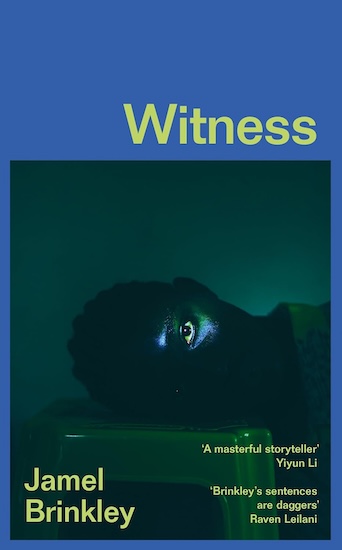
Witness
What does it mean to witness someone else’s suffering—and what responsibility comes with seeing the truth?
Set in contemporary New York City, Witness brings together ten stories about people caught between the desire to care for one another and the uncomfortable truths that make connection difficult. A young girl tries to navigate tensions within her family as the home she knows faces an uncertain future. A man struggles with memories he cannot escape. A woman living with the aftermath of violence searches for a way forward. Across these lives, ordinary encounters become moments of revelation, exposing the quiet decisions that can shape a family, a friendship, or an entire community.
Jamel Brinkley writes about the spaces between people: the affection that survives disappointment, the secrets that fracture trust, and the moments when silence becomes its own kind of betrayal. His characters are neither wholly innocent nor easily condemned; they are human, complicated, and often uncertain about what doing the right thing actually requires.
Tender, unsettling, and deeply observant, Witness explores grief, belonging, inequality, and the moral weight of looking away. It asks whether truly seeing another person is enough—or whether we must also find the courage to act.
2023
2
Representations of the Intellectual
Should intellectuals challenge those in power, even when doing so threatens their careers, reputations, or personal safety?
Based on his 1993 BBC Reith Lectures, Representations of the Intellectual explores the role of the thinker in public life. Edward W. Said argues that intellectuals have a responsibility to question accepted wisdom, resist political and institutional pressure, and speak honestly about injustice—even when their views are unpopular.
Drawing on figures such as Theodor Adorno and Jonathan Swift, as well as contemporary political events, Said examines the dangers of allowing expertise, ambition, nationalism, or financial interests to silence independent thought. He presents the intellectual as an outsider who must remain willing to challenge authority rather than simply serve it.
Passionate and provocative, this short collection asks what it means to preserve intellectual independence in a world shaped by powerful institutions and competing interests. It remains a compelling reflection on the relationship between knowledge, conscience, and public responsibility.
1994