Türkiye
Asia

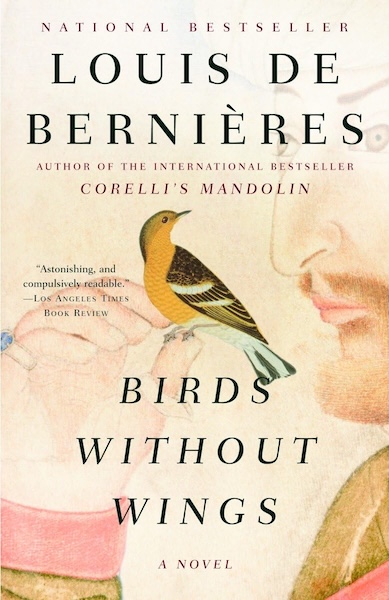
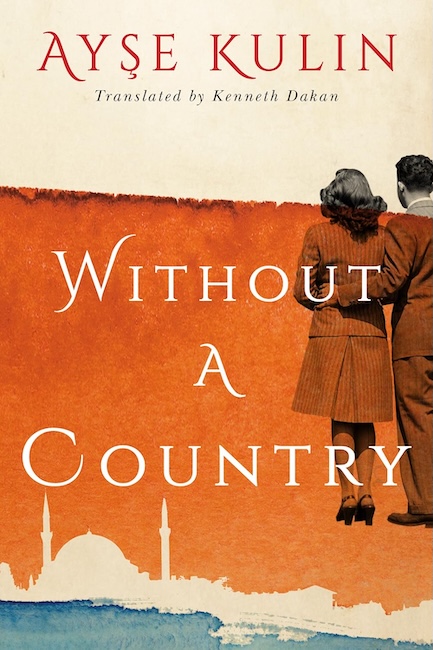

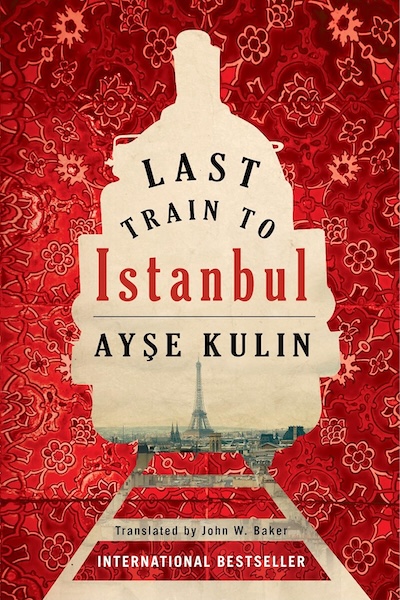
Türkiye is a transcontinental country connecting southeastern Europe and western Asia, with coastlines along the Mediterranean, Aegean, Black, and Marmara seas. Its landscapes range from the dramatic rock formations of Cappadocia and the mountains of eastern Anatolia to the turquoise beaches of the southwest and the fertile plains of the interior. Istanbul, once the capital of the Byzantine and Ottoman empires, remains a cultural crossroads where historic mosques, Byzantine monuments, bustling bazaars, and modern neighborhoods reflect centuries of exchange between Europe and Asia. Türkiye’s heritage brings together Anatolian civilizations, Greek and Roman influences, Byzantine history, and Ottoman traditions. Turkish is the official language, while Kurdish, Arabic, Armenian, and other languages are also spoken by communities across the country.
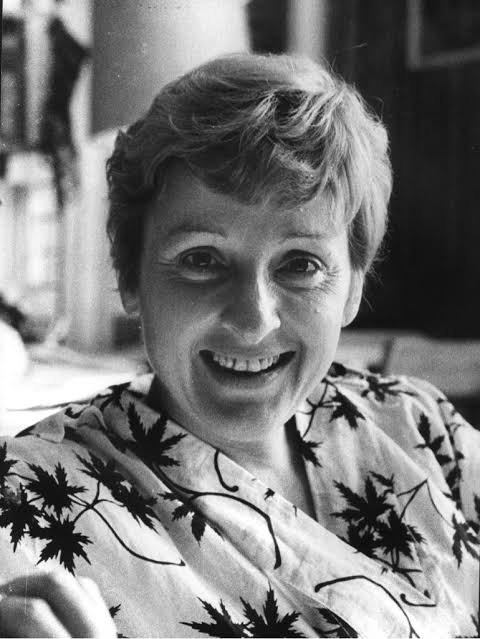
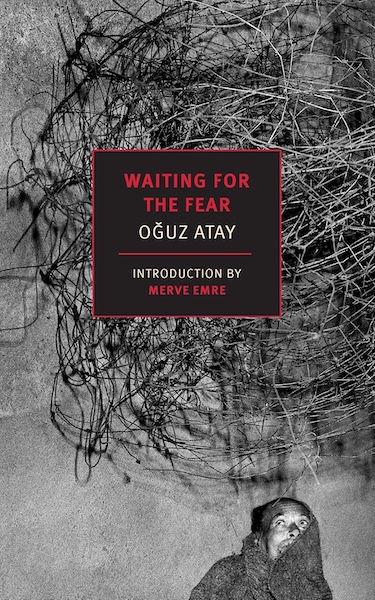
Turkish literature stretches from ancient oral epics and folk poetry to the sophisticated traditions of Ottoman court literature and contemporary novels. Classical works often drew on Persian and Arabic poetic forms, while folk traditions celebrated traveling storytellers, heroic figures, love, and everyday life. The transition from the Ottoman Empire to the modern Turkish Republic brought major changes to literary language and identity. Modern writers have explored tensions between tradition and modernity, rural and urban life, secularism and religion, political repression, and the search for belonging. Among Türkiye’s most celebrated authors is Orhan Pamuk, the 2006 Nobel Prize laureate, whose novels—including My Name Is Red and Snow—examine memory, identity, and the meeting of Eastern and Western cultural worlds. Yaşar Kemal, known for Memed, My Hawk, drew on Anatolian oral storytelling to portray rural life, injustice, and resistance. Nazım Hikmet, one of the country’s most influential poets, became internationally known for his socially engaged verse and innovative poetic style. Elif Shafak, author of The Bastard of Istanbul and The Island of Missing Trees, explores multicultural identity, history, and the experiences of women. Ahmet Hamdi Tanpınar, whose novel A Mind at Peace captures Istanbul during a period of transformation, remains an important voice on the relationship between past and present. Together, these writers reveal the depth and diversity of Türkiye’s literary heritage.