Turkmenistan
Asia
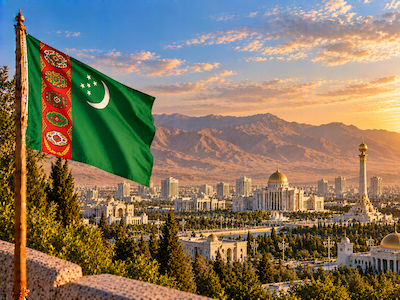

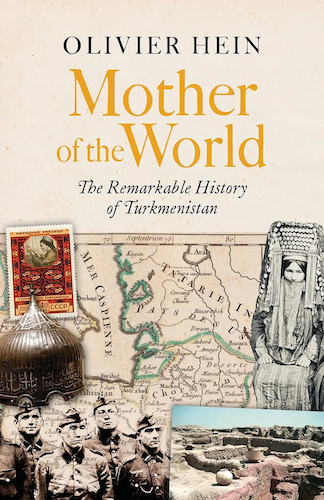
Turkmenistan is a country in Central Asia, known for its vast desert landscapes, ancient Silk Road cities, and distinctive architectural heritage. Much of its territory is covered by the Karakum Desert, while the Kopet Dag Mountains rise along its southern border with Iran. The capital, Ashgabat, is famous for its monumental white-marble buildings, golden domes, and broad avenues. Ancient sites such as Merv, once an important center of trade and scholarship on the Silk Road, reveal the region’s long history of cultural exchange. Turkmen identity is closely connected to nomadic traditions, intricate carpet weaving, horsemanship, and oral storytelling. Turkmen is the official language, and the country’s cultural heritage reflects its Turkic roots and historical connections with the wider Persian and Central Asian worlds.
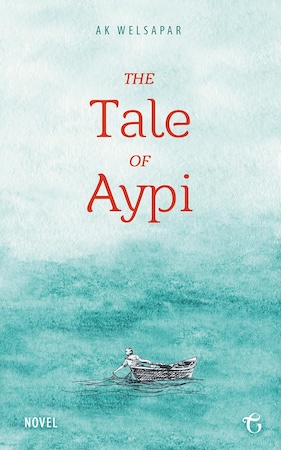
Turkmen literature has deep roots in oral poetry, epic storytelling, folk songs, and proverbs passed down through generations. Poets traditionally played an important role in preserving collective memory, expressing moral values, and recounting the histories of communities. One of the most influential figures is Magtymguly Pyragy, an eighteenth-century poet whose work helped shape Turkmen literary identity. His poetry explores justice, unity, spirituality, love, and the responsibilities of individuals toward their communities. He remains a central figure in Turkmen cultural life. Another important work is the Görogly epic, a collection of heroic tales shared across several Turkic-speaking cultures, including Turkmen communities. Combining adventure, music, poetry, and oral performance, it celebrates courage, loyalty, and the defense of communal values. During the Soviet period, Turkmen literature developed new forms of prose and poetry, often addressing modernization, rural life, and social transformation. Contemporary writers continue to negotiate the relationship between traditional cultural heritage and modern realities. Together, Turkmenistan’s literary traditions preserve the voices of a historically nomadic society while connecting its cultural identity to the broader literary heritage of Central Asia.