Togo
Africa
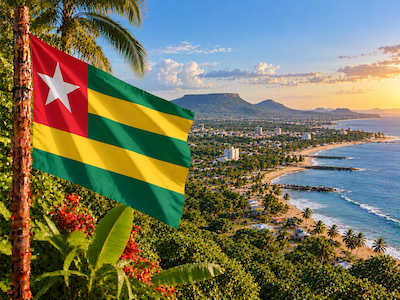
Togo is a narrow West African country stretching from the Gulf of Guinea in the south to the savannas of the north. Its landscapes include palm-lined beaches, rolling hills, forested plateaus, and traditional villages. The capital, Lomé, is a lively coastal city known for its markets, contemporary art, and vibrant street life. Togo’s cultural identity reflects the traditions of numerous ethnic communities, with music, dance, crafts, and storytelling playing important roles. French is the official language, alongside widely spoken Indigenous languages such as Ewe and Kabiyè.
Togolese literature explores colonialism, political power, cultural identity, and the tensions between tradition and modernity. Oral storytelling, folktales, and proverbs remain important influences on written literature. Félix Couchoro, one of the pioneers of modern Togolese literature, wrote novels examining social change and colonial society. Kossi Efoui, a prominent contemporary playwright and novelist, explores memory, exile, and political repression in works such as La Polka. Together, Togolese writers offer perspectives on the country’s history and its place within wider Francophone African literature.