Syria
Asia
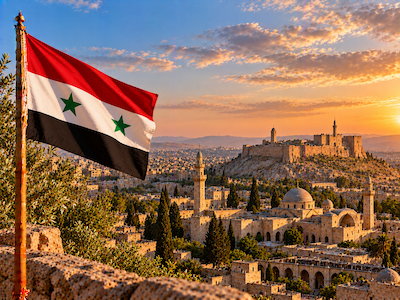
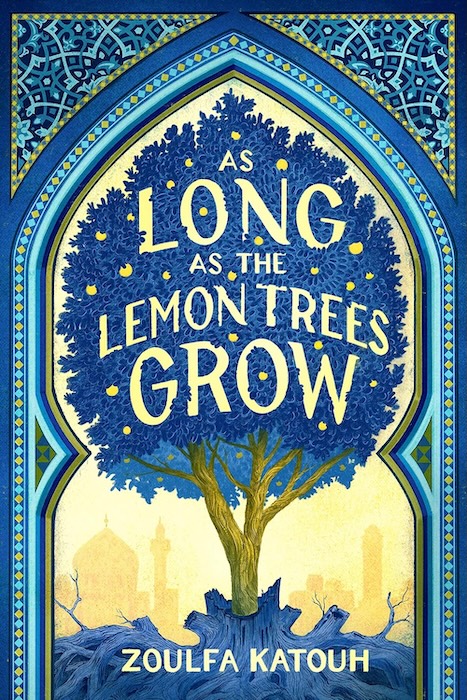
Syria is a country in the Middle East, at the crossroads of the Mediterranean and the ancient trade routes connecting Asia, Africa, and Europe. Its landscapes range from the fertile Mediterranean coast and agricultural plains to the deserts of the east and the mountains of the west. For centuries, Syria has been home to diverse civilizations, including the Arameans, Greeks, Romans, Byzantines, and successive Islamic dynasties. Its historic cities, particularly Damascus and Aleppo, preserve traces of this layered past in their ancient markets, courtyards, mosques, churches, and traditional houses. Arabic is the official language, while Kurdish, Syriac, Armenian, and other languages reflect the country’s diverse communities. Despite the devastating impact of recent conflict and displacement, Syria retains a rich cultural heritage and a deep tradition of hospitality, craftsmanship, music, and storytelling.
Syrian literature has a long history rooted in Arabic poetry, oral storytelling, and the intellectual traditions of the Levant. Modern Syrian writers have explored love, exile, political oppression, social change, and the tension between personal freedom and collective identity. Poetry has played a particularly important role, with writers experimenting with modern forms while drawing on classical Arabic literary heritage. In recent decades, the Syrian uprising, civil war, and mass displacement have profoundly shaped literature, bringing themes of memory, loss, survival, and the meaning of home to the forefront. Among Syria’s most prominent writers is Nizar Qabbani, one of the Arab world’s best-known poets, celebrated for his lyrical writing about love, desire, and political resistance. Adonis, born Ali Ahmad Said Esber, became an influential modernist poet whose work challenged literary conventions and explored cultural renewal. Khaled Khalifa, author of Death Is Hard Work, portrayed the human consequences of violence and authoritarianism. Rosa Yassin Hassan has written about repression, gender, and social life in Syria, while Samar Yazbek, whose works include A Woman in the Crossfire, has documented the experiences of Syrians living through conflict. Together, these writers illuminate Syria’s complex cultural identity and the enduring power of literature to preserve memory and bear witness to history.