São Tomé and Príncipe
Africa
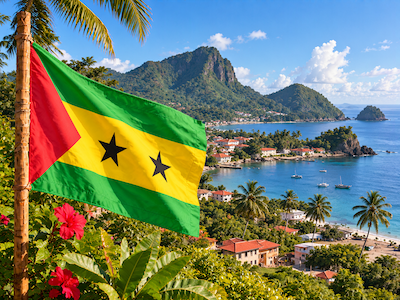
São Tomé and Príncipe is an island nation in the Gulf of Guinea, off the west coast of Central Africa. Its volcanic peaks, tropical rainforests, black-sand beaches, and cocoa plantations create a striking landscape. The capital, São Tomé, features colorful colonial-era buildings and a lively waterfront. Portuguese is the official language, while local Creole languages reflect the islands’ diverse cultural heritage.
São Toméan literature explores colonialism, slavery, identity, and the legacy of the plantation economy. Poetry has played a particularly important role in expressing national identity and resistance. Alda do Espírito Santo, a leading poet and independence activist, wrote about freedom, dignity, and the experiences of ordinary people. Conceição Lima, one of the country’s best-known contemporary poets, explores memory, ancestry, and the complex relationship between personal identity and colonial history.