Somalia
Africa
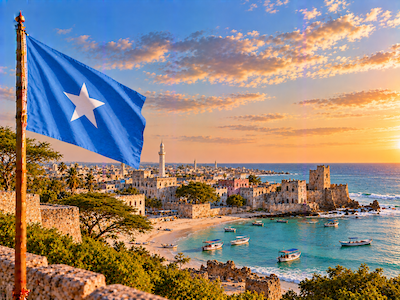
Somalia lies in the Horn of Africa, along the Indian Ocean and the Gulf of Aden. It has one of mainland Africa’s longest coastlines, with white-sand beaches, turquoise waters, arid plateaus, rugged highlands, and seasonal river valleys. Mogadishu, the capital, is a historic port city whose architecture and culture reflect centuries of trade across the Indian Ocean. Somali identity is closely connected to pastoral traditions, clan and family networks, Islamic heritage, poetry, music, and a shared Somali language, with historical links to the Arabian Peninsula, East Africa, and the wider Indian Ocean world.
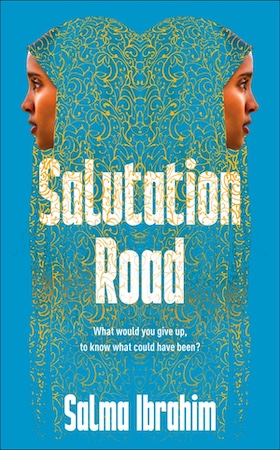
Somali literature is renowned for its rich oral storytelling and poetic traditions. Poetry has traditionally served as a form of communication, historical record, social commentary, and artistic expression. Long before written Somali became widespread, poets preserved genealogies, celebrated heroes, debated political issues, and reflected on love, nature, and community life. Poetry remains central to Somali cultural identity, alongside folktales, proverbs, songs, and narratives passed between generations. Modern Somali literature expanded significantly after the adoption of a standard written Somali script in 1972. Nuruddin Farah, one of Somalia’s best-known novelists, explores power, gender, exile, and political change in works such as Maps and From a Crooked Rib. Hadraawi, widely celebrated as one of the great Somali poets, wrote about identity, freedom, and social responsibility, while Mohamed Ibrahim Warsame and other poets helped shape modern Somali-language literature. Contemporary Somali writing frequently examines war, displacement, memory, migration, family, gender, and the experience of diaspora. Writers working across Somali, Arabic, and other languages continue to explore the relationship between cultural heritage, political history, and life in a changing world.