Slovenia
Europe
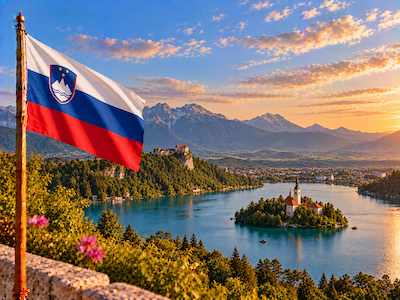
Slovenia is a small country in Central Europe, where the Alps, Mediterranean coastline, green valleys, and limestone karst landscapes meet. Its scenery ranges from the snow-capped Julian Alps and emerald waters of the Soča River to the vineyards of the east and the short Adriatic coastline. Ljubljana, the capital, is known for its riverside cafés, elegant bridges, and relaxed cultural atmosphere, while Lake Bled and the historic town of Piran are among the country’s best-known landmarks. Slovenian culture reflects a blend of Slavic heritage, Central European traditions, and Mediterranean influences, shaped by centuries of exchange with neighboring Austria, Italy, Croatia, and Hungary.
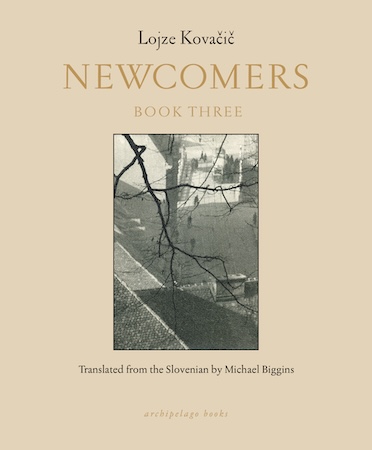
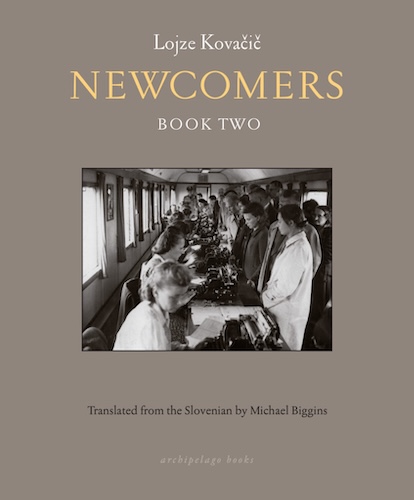
Slovenian literature has deep roots in oral folklore, folk songs, legends, and religious writing. Stories passed down through generations preserve local beliefs, rural customs, and connections to the natural world. The development of written Slovenian literature became particularly important during the Protestant Reformation, when writers helped establish the foundations of the modern literary language. France Prešeren, Slovenia’s national poet, is a central figure in its literary history. His poetry explores love, freedom, identity, and the place of a small nation within Europe. Other influential writers include Ivan Cankar, whose works examine social inequality and moral conflict; Srečko Kosovel, known for his experimental modernist poetry; and Boris Pahor, whose writing reflects on fascism, concentration camps, and the experience of Slovenia’s Italian-speaking borderlands. Contemporary authors such as Drago Jančar explore history, political power, and individual freedom. Slovenian literature frequently examines national identity, memory, social change, nature, belonging, and the tensions between personal experience and collective history, while also engaging with broader European literary movements.