Sweden
Europe
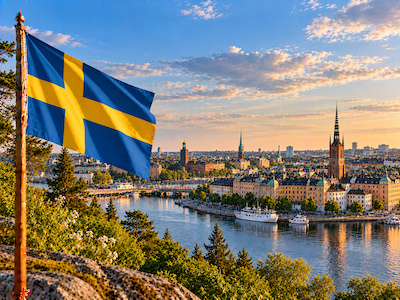



Sweden is a Nordic country in Northern Europe, known for its vast forests, thousands of lakes, rugged coastlines, and northern landscapes where the Northern Lights illuminate the winter sky. From the historic waterfront of Stockholm to the colorful fishing villages of the west coast and the wilderness of Swedish Lapland, the country combines natural beauty with a rich cultural heritage. Swedish traditions reflect a close relationship with nature, seasonal celebrations, and a strong design culture. The country is also associated with social progress, innovation, and a long tradition of public education and literary achievement. Swedish is the official language, while Sámi languages are spoken by Indigenous Sámi communities in the north.
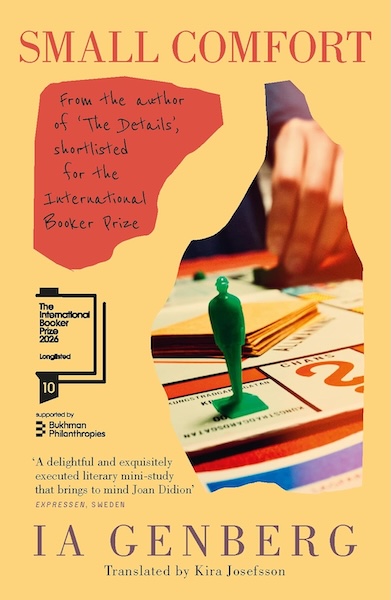
Swedish literature ranges from medieval ballads and Norse-inspired legends to internationally celebrated contemporary fiction. Nature, isolation, social class, family, and the tension between individual freedom and collective responsibility are recurring themes. Swedish writers have also made significant contributions to children’s literature, crime fiction, modernist poetry, and psychological novels. August Strindberg, one of Sweden’s most influential writers and dramatists, explored social conflict and human psychology in works such as Miss Julie. Selma Lagerlöf, the first woman to receive the Nobel Prize in Literature, is celebrated for The Wonderful Adventures of Nils and her imaginative storytelling rooted in Swedish folklore. Astrid Lindgren transformed children’s literature with beloved characters such as Pippi Longstocking, combining humor, independence, and compassion. In contemporary fiction, Henning Mankell helped shape Nordic noir through his Kurt Wallander crime novels, while Fredrik Backman, author of A Man Called Ove, is known for stories about loneliness, community, and unexpected human connection. Together, these writers reflect the breadth of Sweden’s literary imagination, from folklore and social criticism to intimate portraits of modern life.